Here’s the math nobody selling 90s nostalgia shirts wants to run out loud: if you were old enough to actually be somebody in 1994 — old enough to drive, old enough to have a job you hated, old enough to make your own bad decisions about who to date — you were not nine years old when the decade happened. You were an adult. A broke one, probably. But an adult. Most of what gets sold back to us as “90s nostalgia” was written by someone who was in fourth grade at the time, and it shows.
We’re not knocking anyone’s memories. Nine is a fine age to have memories. It’s just a different set of memories than the ones we’ve got, and the industry selling us shirts hasn’t noticed the difference. Worse, it’s not even trying to notice — one version of the decade is easier to license and print than the other, so that’s the one that won. This is our attempt to notice the other one for them, on purpose, before it gets flattened into a font choice.
The nostalgia math doesn’t add up
Go looking for 90s nostalgia shirts online and you’ll land, almost every time, on the same format: a photo of a musician’s face, screen-printed big, with their name underneath in a font somebody decided was “throwback.” It’s not wrong, exactly. Those artists existed. The decade happened. But read the copy on those pages closely and you’ll notice who they think they’re talking to — it’s written for people whose 90s were a childhood bedroom with a poster on the wall, not a studio apartment with a phone bill they were dodging.
That’s not a knock on younger nostalgia — everybody’s allowed to miss their own decade. But it means the actual Gen-X 90s — the one where you were choosing a major, or quitting one, or working a job with a name tag and a manager who was younger than you and somehow still your boss — doesn’t have a section. It’s the same mistake as selling “80s nostalgia” to people who weren’t born yet: technically the right decade, wrong set of memories entirely.
The tell is always the same: a big licensed face, a “vintage-inspired” disclaimer doing the work an actual memory should be doing, and copy that talks about the decade like something you’d have watched happen rather than something you were doing. Officially licensed doesn’t mean officially remembered. It means somebody paid for the rights to a face and assumed the feeling would come free with it.
We were there as the people making the decisions, not the people watching adults make them. That’s the whole difference, and it’s the difference this piece is written for.
What we actually wore, and why nobody’s selling it back to us
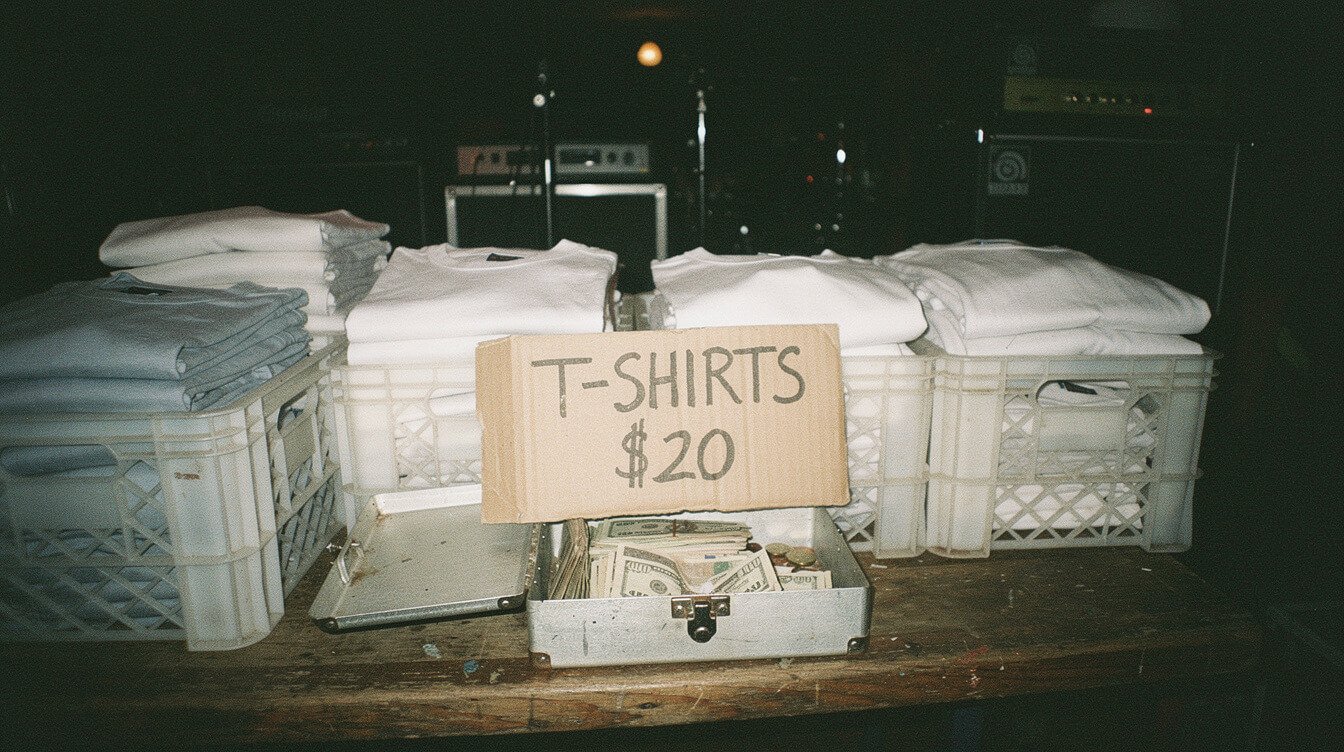
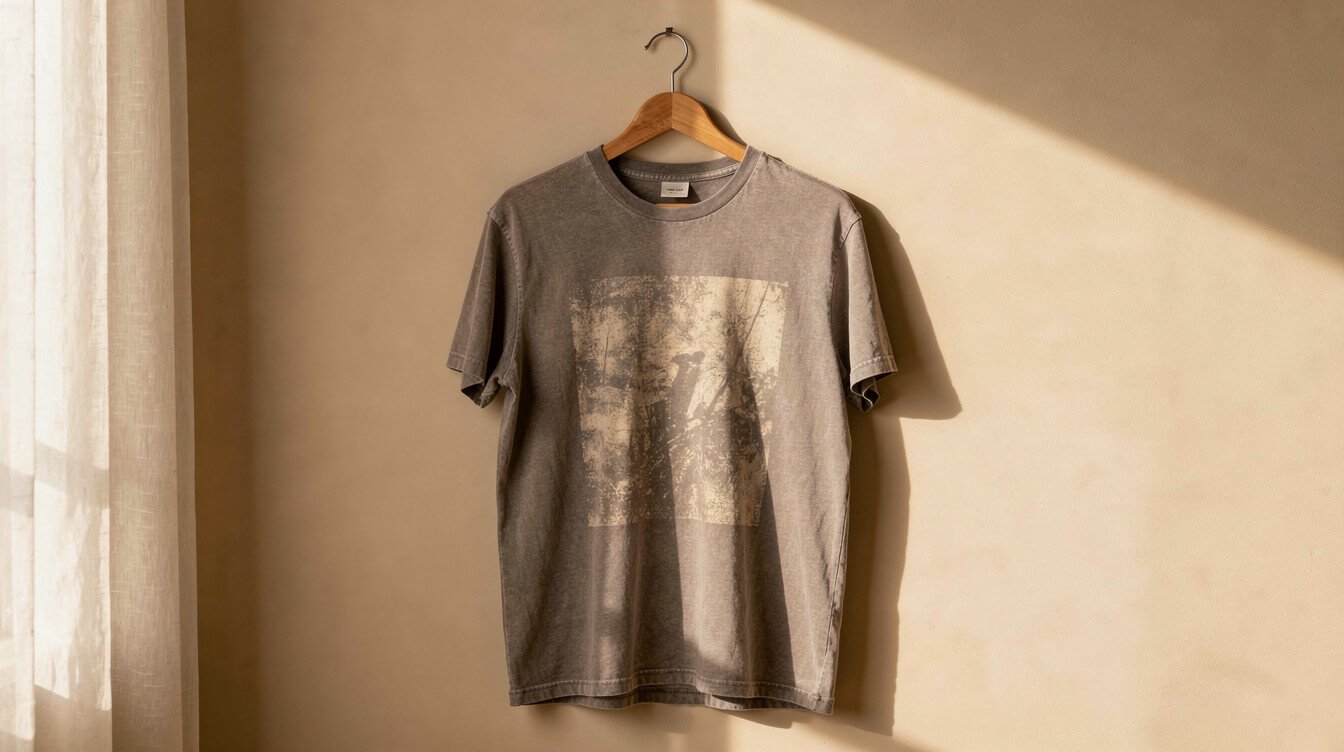
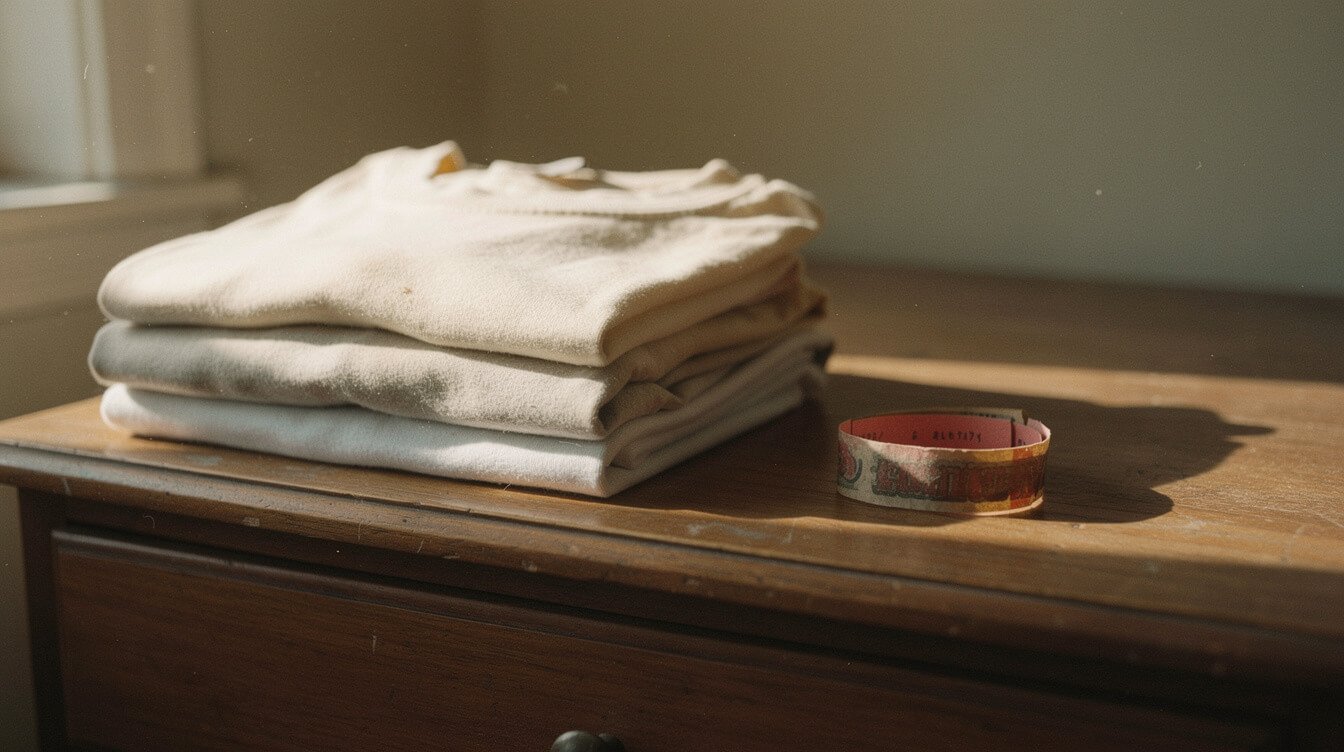
The 90s nostalgia shirt you actually earned didn’t come from a checkout page. It came from a merch table, in cash, usually crumpled from your pocket, handed to somebody who looked exactly as tired as you felt. Or it came from a thrift store, three sizes too big, because that was the whole point — the fit wasn’t a mistake, it was the uniform. You didn’t buy the look. You assembled it, over months, out of whatever showed up.
There was a real economy to it, too, one that had nothing to do with a price tag. You traded shirts. You inherited them from an older sibling or a roommate who’d moved on to a different one. A shirt with a hole worked its way up the rotation to “house shirt” status, which was its own kind of promotion. None of that is a transaction you can replicate by clicking “add to cart,” which is exactly why nobody’s tried very hard to.
Nobody’s selling that back to us because that isn’t a product — it’s a process. You can’t screen-print “I stood in a line and paid a stranger eight dollars for this” onto a shirt and have it read as anything but what it is: a costume pretending to be a memory. The actual object was never the point. The point was that getting it took a little bit of effort, which is exactly the part that’s impossible to manufacture at scale.
This is the same argument we made about old school hip hop shirts — the culture that made the object was never for sale, only the object was, and the two get confused constantly. A shirt can look exactly right and still be about ten years of context short. Getting the print correct is the easy 5% of the job.
The visual grammar of not trying
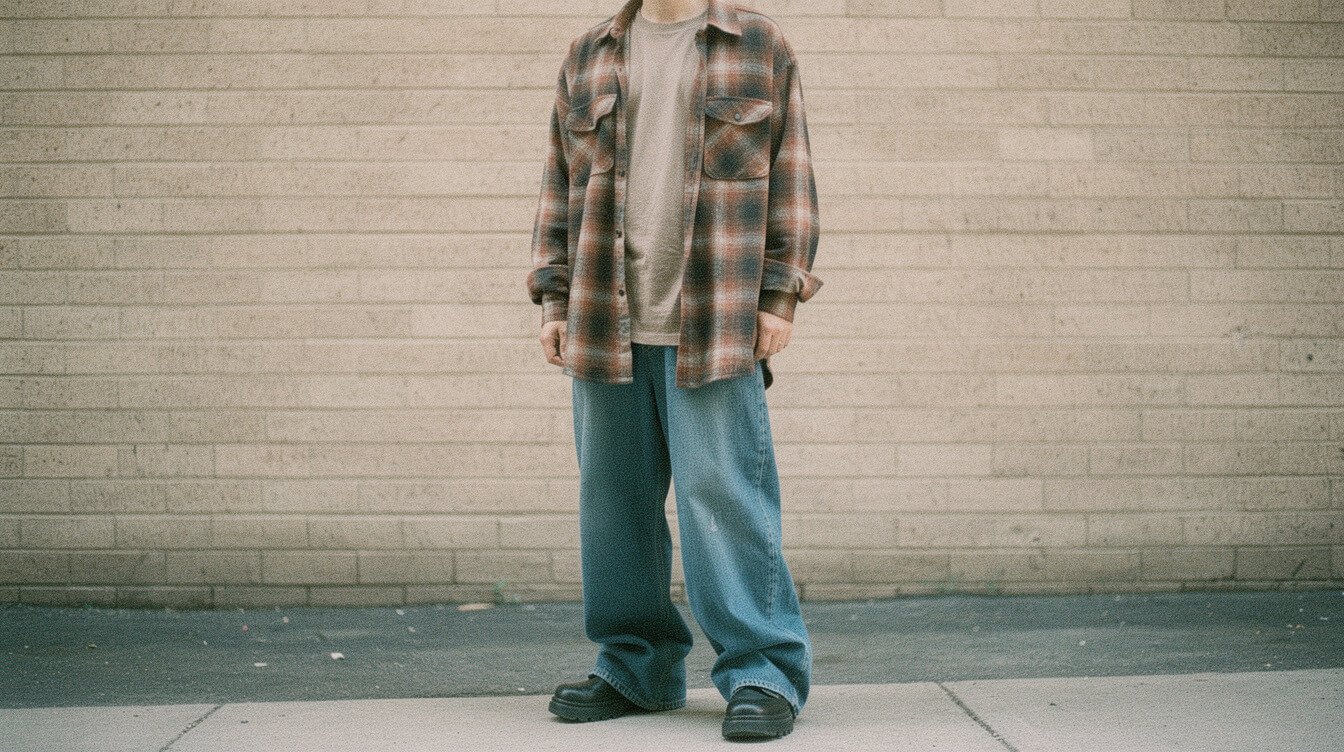
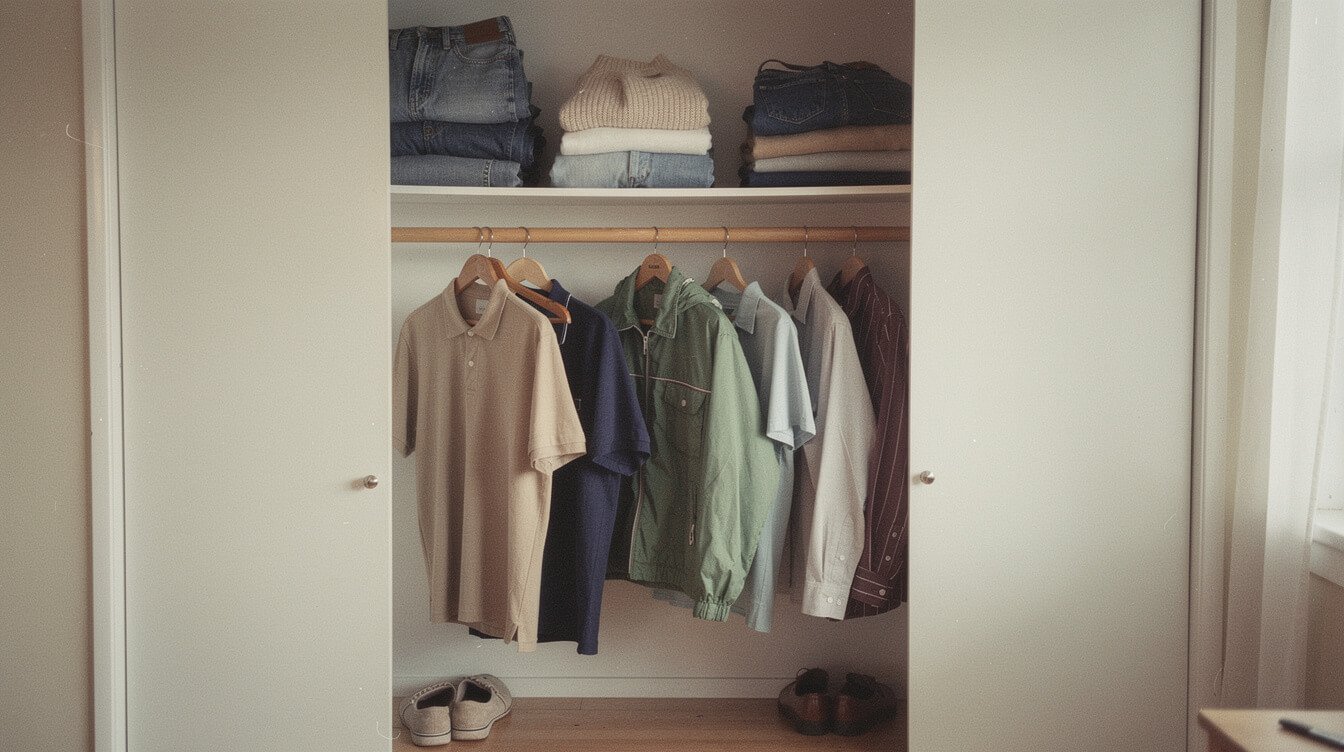
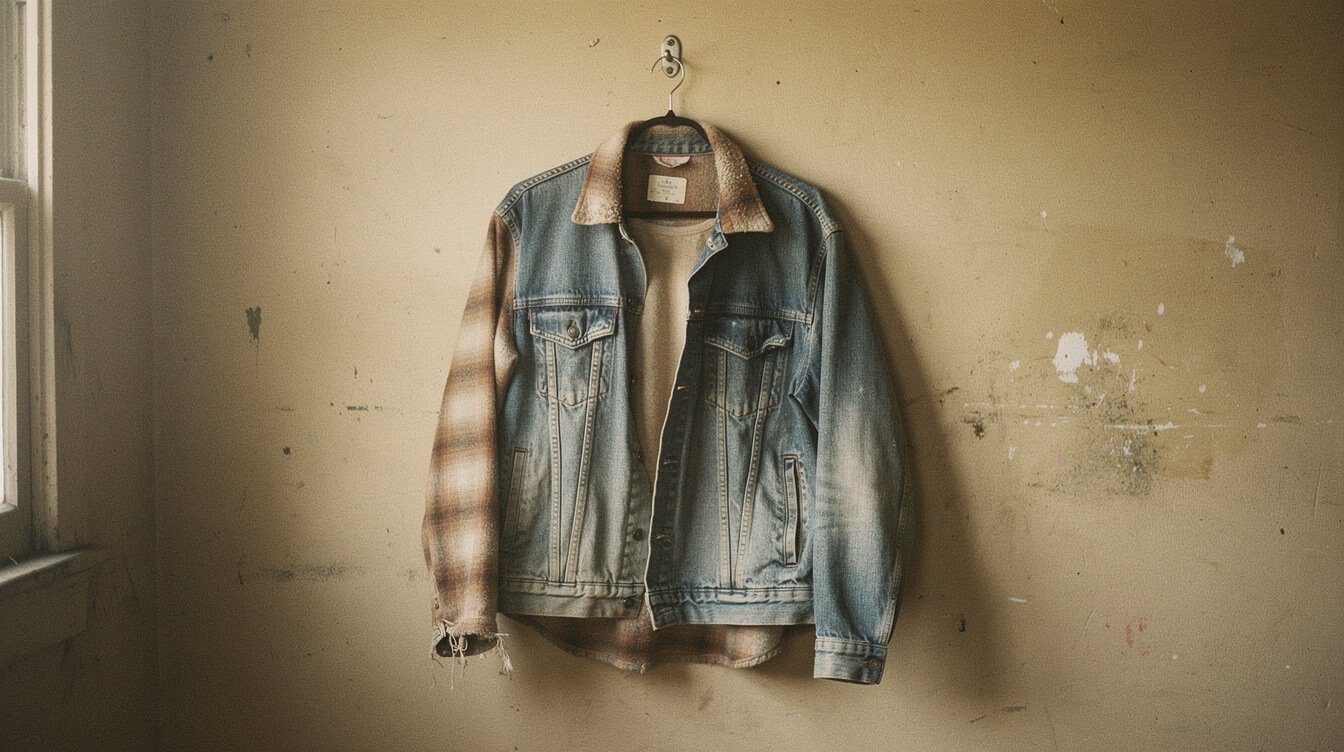
If you want to understand 90s style without a single brand name attached to it, look at the shapes. Everything ran oversized — flannel worn open over a plain tee, jeans with room to spare, a jacket that fit like it belonged to someone bigger than you, because it usually did. The whole silhouette was borrowed, and borrowed on purpose. Fitted clothes said you cared how you looked. Baggy clothes said you’d thought about it and decided against caring, which took more thought than caring would have, but you’d never admit that.
Then there was the detail work: butterfly clips holding back two chunks of hair and nothing else, gel pens in colors that didn’t exist in nature, a five-subject notebook covered in a wolf howling at a moon that some art department somewhere got very rich off of. None of it matched on purpose. Matching was for people who tried, and trying was the one thing the whole decade refused to be caught doing.
The boots were chunky enough to be furniture. The backpack had exactly one working strap, and you carried it that way for a full school year rather than admit the other one broke. Everyone’s photos are a little blurry, a little red-eyed, a little off-center, because nobody was composing a shot — they were using up the last four exposures on a disposable camera before the drugstore closed, and you wouldn’t even know if the picture worked for another week.
What ties all of it together is that none of it was designed to be looked at later. Nobody dressed for a future audience, because there wasn’t one — no feed, no algorithm, no future self scrolling back through it. You dressed like that because it was Tuesday and the flannel was on the floor already. The fact that it reads as a whole aesthetic now is an accident of hindsight, not a plan anyone had at the time.
Showing up counted as a plan
Making plans in the 90s meant deciding something once, out loud, and then trusting it to hold — because there was no way to check in, reschedule, or confirm on the way. You said “meet me at the corner at seven” and then you actually had to show up at seven, because there was no follow-up text to say you were running late. If someone wasn’t there, you didn’t know if they’d forgotten, bailed, or were standing on a different corner. You just waited, or you didn’t, and either way it became a story later.
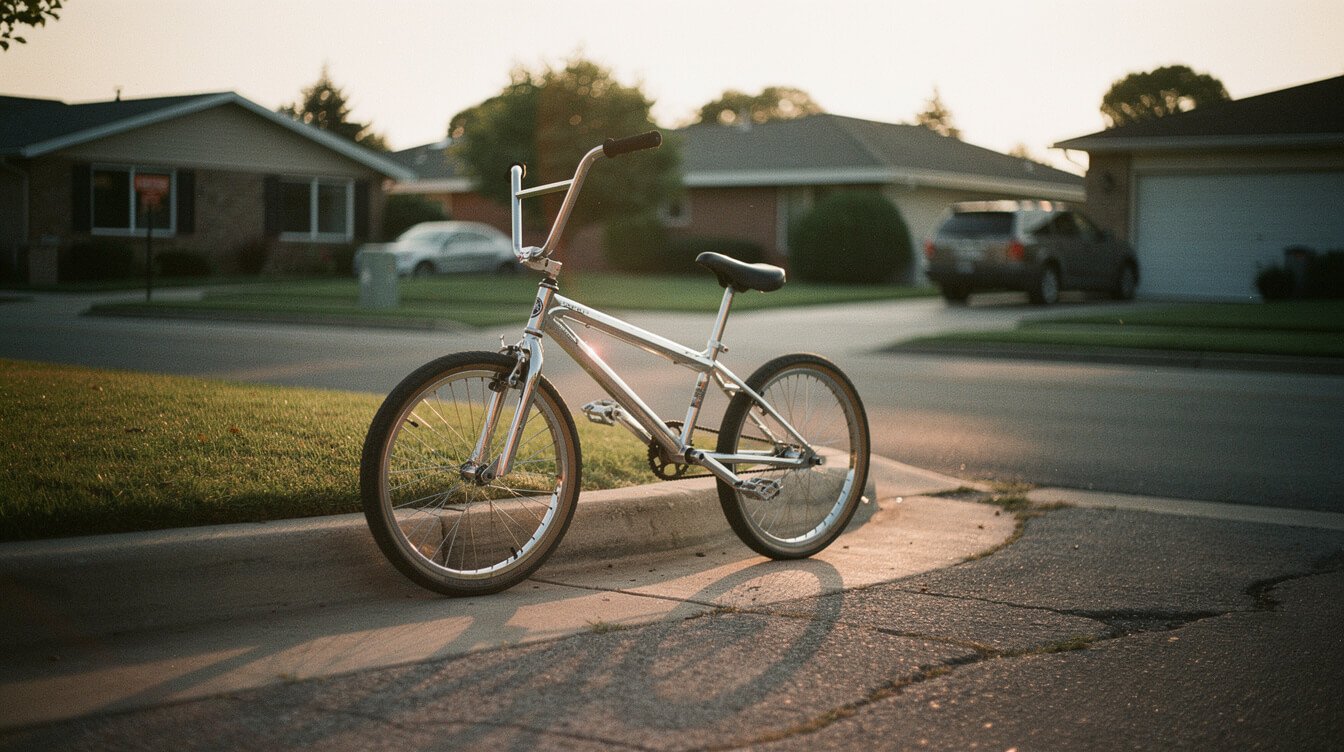
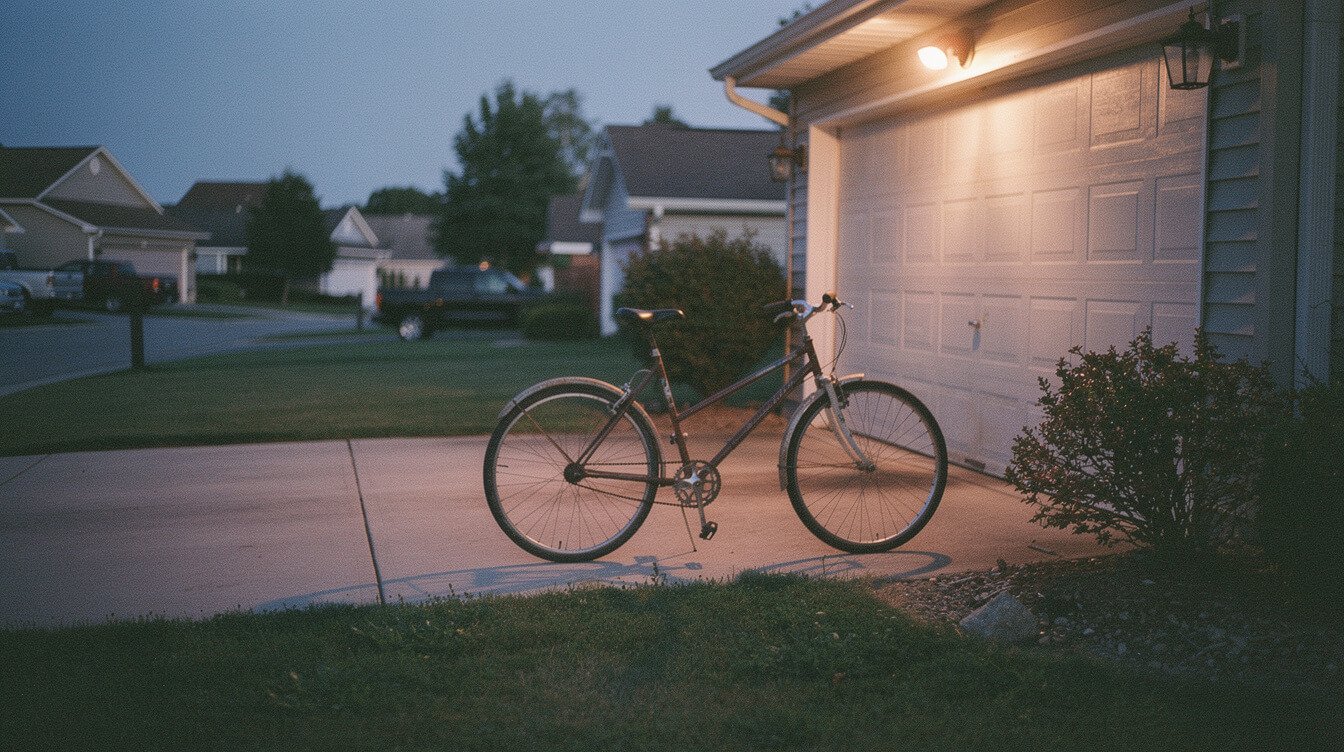
Half of any given weekend was just showing up at someone’s house on the chance they were home, because calling ahead meant a landline, and a landline meant whoever answered first — a parent, a sibling, an answering machine with a message you had to sit through. Showing up in person skipped all of that. It also meant you occasionally rode your bike somewhere for nothing, which nobody thought of as wasted time, because “nothing” back then still counted as something to do.
Group plans were even looser, and somehow more reliable for it. Word passed hand to hand, at school or over a shared phone line, and by Friday afternoon everyone just knew where to be, the way a flock knows which direction to turn without a memo going around. There was no group chat to check for updates and no way to know if the plan had quietly changed. You showed up on faith, and most of the time, enough other people had done the same that it worked out. When it didn’t, you went home, and that was also fine.
The tech that shaped how quiet it actually was
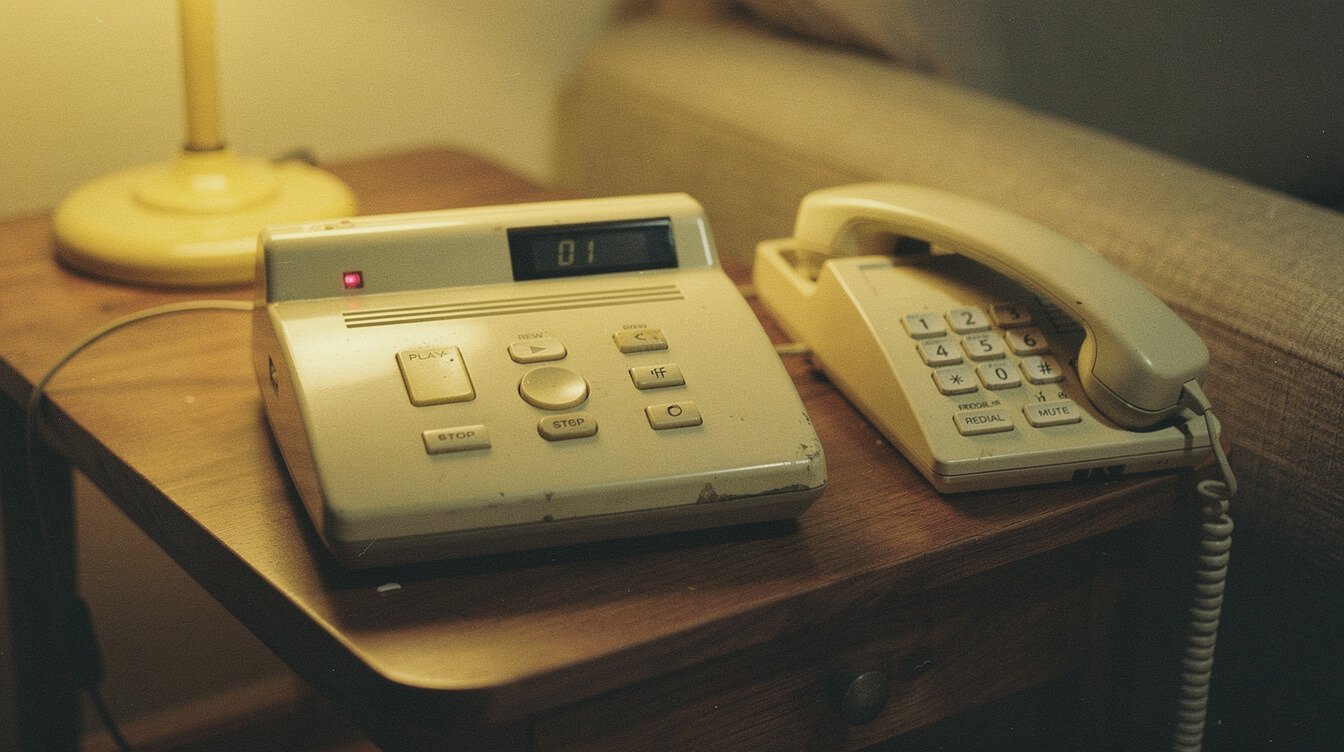
Here’s the part that’s genuinely hard to explain to anyone who wasn’t there: how much of the 90s happened with no evidence. No camera in your pocket meant most of it just — happened, and then was gone, existing only in whoever’s memory bothered to keep it. You found out your friend called by getting home and checking the answering machine, which either had a message or a dial tone, and there was no in-between, no read receipt, no typing bubble.
Connecting to anything online meant a modem shrieking through a handshake that took longer than the thing you were trying to do once it connected. A pager buzzing at dinner meant somebody needed you badly enough to spell it out in a phone number, and you’d go find a pay phone to call them back, which is a sentence that requires footnotes now. Later in the decade the mixtape started giving way to the burned CD, which felt like the future at the time and now just reads as the last stop before all of it went digital and stopped requiring your hands. Even that felt slow by any current standard — you sat there while it burned, doing nothing else, because the drive would choke if you so much as opened another window.
We’ve written before about the actual mechanics of making a mixtape and about why a cassette still looks right — both of those live squarely inside this same quiet, offline, one-shot-at-getting-it-right decade. The 90s didn’t feel slower because less was happening. It felt slower because there was no way to broadcast it while it happened, so it just got to be yours, unwitnessed, until you decided to tell somebody about it yourself.
Where today’s 90s nostalgia shirts get the tone wrong
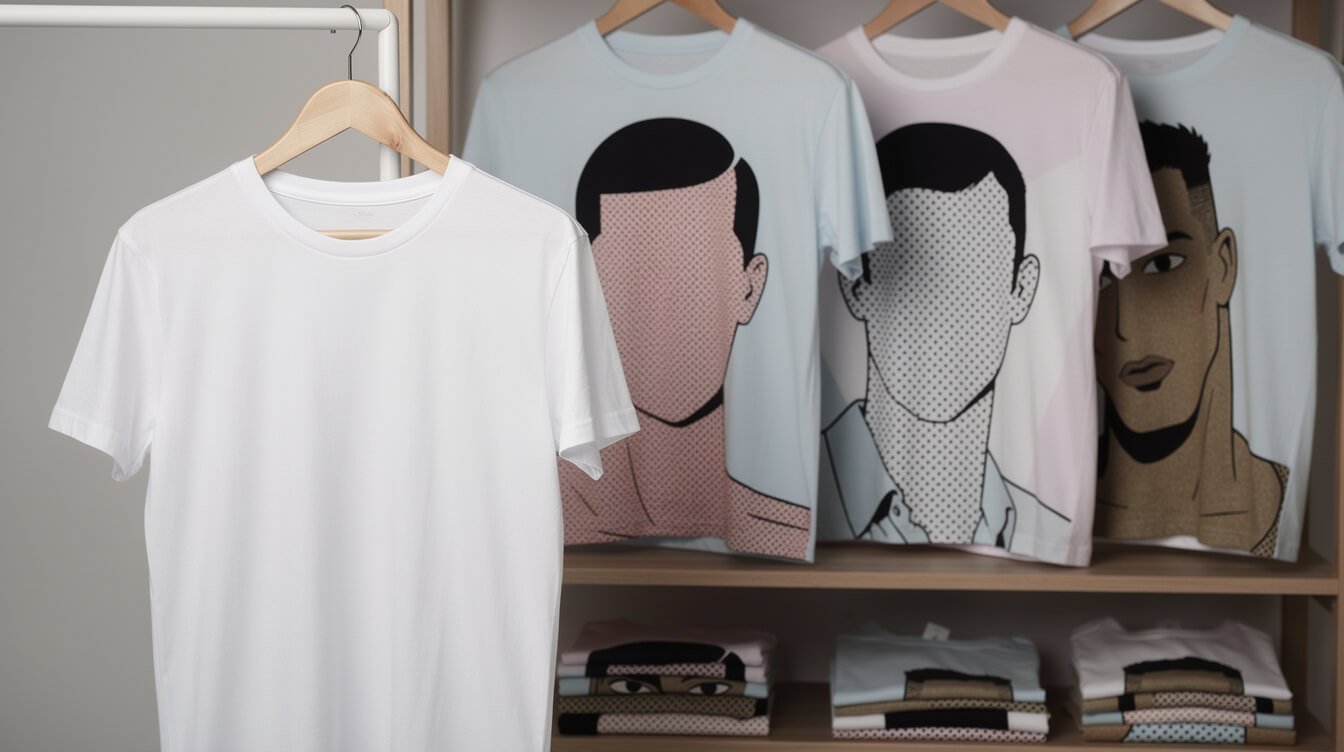
The pattern shows up everywhere once you’re looking for it: a big photographic face, a name in a “vintage” font, an “officially licensed” badge doing a lot of work to convince you the shirt has earned the memory it’s selling. It hasn’t. Licensing a face isn’t the same as living a decade, and the tone gap is the whole tell — those shirts want you to feel something on contact, no effort required, which is the exact opposite of how the decade actually operated. The 90s made you work for the good part. A shirt that skips that step is selling you the poster, not the memory.
There’s also a marketing logic underneath it worth naming plainly: a famous face is an easy, recognizable image that photographs well on a product page, and “officially licensed” reads as a quality signal even when the design itself is just a name and a headshot. It’s efficient to make and easy to sell. None of that requires anyone involved to actually understand what the decade felt like to live through — only to clear the rights to a picture of someone who was in it.
If you’re going to wear the decade instead of just referencing it, our shop is built on that same premise — no borrowed faces, no licensing badge doing the emotional heavy lifting, just designs that assume you were already there and don’t need it explained back to you.
The good version of a 90s nostalgia shirt doesn’t announce the decade. It just knows something about it that a nine-year-old wouldn’t have — the exhaustion under the irony, the effort under the “whatever.” That’s not a look you can license. It’s one you have to have actually lived through to get right, which is precisely the part the current market keeps skipping.
Quick answers about 90s nostalgia shirts
What makes a 90s nostalgia shirt feel authentic instead of costume-y?
Context over image. A shirt referencing an object, a ritual, or an in-joke from the decade reads as lived-in. A shirt that’s just a licensed photo of a famous face reads as a costume, because it’s selling recognition instead of memory.
Is “90s nostalgia” the same thing for every generation?
No — and that’s most of the problem with how it’s currently marketed. Someone who was nine in 1995 and someone who was twenty-five in 1995 lived through completely different versions of that year. Most 90s nostalgia shirts on the market today are aimed squarely at the first group.
Why do so many 90s shirts feature musicians’ faces?
Because a recognizable face is an easy, low-effort emotional shortcut — it doesn’t require the wearer or the brand to actually understand the decade, just to license an image from it. It’s efficient. It’s also why so much of it feels hollow.
What should I look for instead?
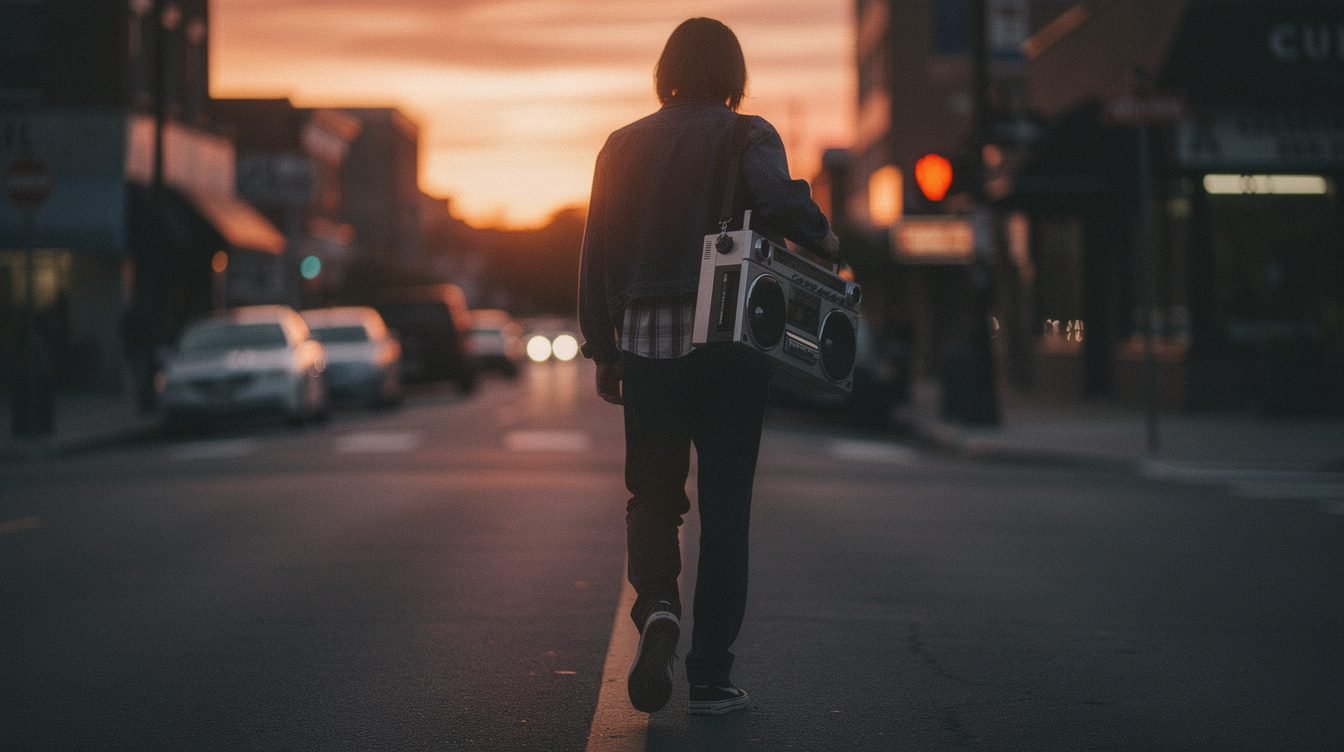
Designs built around objects, rituals, and specifics — the shape of a boombox, the mechanics of a mixtape, the exact chunkiness of a boot — rather than someone else’s face and name in a nostalgic font.
Why does the fit matter so much to getting this right?
Because the oversized, borrowed-looking fit wasn’t an accident of the era’s fashion — it was the point. A shirt cut close and “flattering” is aiming at a different decade’s values entirely. If the design gets the reference right but the fit is wrong, it still reads off.
Is it okay to reference the decade without naming a specific band or celebrity?
It’s usually the stronger choice. A design built around a shared ritual or object — a boombox, a mixtape, a landline — reads as something everyone from the era recognizes instantly, without hinging the whole joke on whether the reader happened to like one particular artist.
Final thoughts
The 90s didn’t feel nostalgic while it was happening. It felt like the modem was too slow, the boots were too heavy, and nobody was watching closely enough to make you self-conscious about any of it. That’s the part worth actually missing — not a face on a shirt, but the specific, low-stakes freedom of a decade with no proof it happened besides what you remember.
Somebody’s going to keep selling the version with the face on it, because the face is easy and the actual decade isn’t. That’s fine. It just means the real version stays ours a little longer — which, honestly, tracks. Wear something that knows the difference.
No borrowed faces. Just the decade.
Shop the drop
Original designs made by people who were actually there — no licensed faces, no explaining required.
Raised on static. Fluent in sarcasm.
Reply and tell me your era
One good link, no forced enthusiasm, straight to your inbox.