Every few months, the internet decides to explain gen x nostalgia to us. There’s a listicle. There’s a slideshow of Trapper Keepers. There’s a think piece asking, gently, whether we’re “gaslighting ourselves” about which songs we actually liked in 1987. All of it is aimed at us, and almost none of it sounds like us. That’s the tell. Real nostalgia doesn’t announce itself with a headline like “50 Things Only 80s Kids Will Remember!!” It shows up sideways, usually while you’re doing something else, and it doesn’t ask for a reaction.
So let’s do the thing the listicles won’t: actually look at what gen x nostalgia is, why it behaves differently than everyone else’s, and why so much of the internet keeps getting it backwards.
Worth saying up front: this isn’t a complaint about being remembered wrong for sport. It’s that the wrong version has real consequences for how this generation gets talked about, sold to, and written off. Get the emotional register wrong and you get merch nobody actually wants, ad copy that reads like it’s translated from a language nobody in the room speaks, and a whole cottage industry of content that mistakes recognition for resonance. Those are different things. One gets a nod. The other gets a laugh and a screenshot sent to three friends who were also there.
What the internet gets wrong about gen x nostalgia
Somewhere along the way, “nostalgia content” became its own genre, and it runs on a formula: rapid-fire images, exclamation points, and a caption that tells you how to feel before you’ve had a chance to feel it. It’s built for a scroll, not a memory. And it’s aimed at Gen X constantly, because we’re a reliable click — we’ll stop for a picture of a cassette deck the way a dog stops for a squirrel.
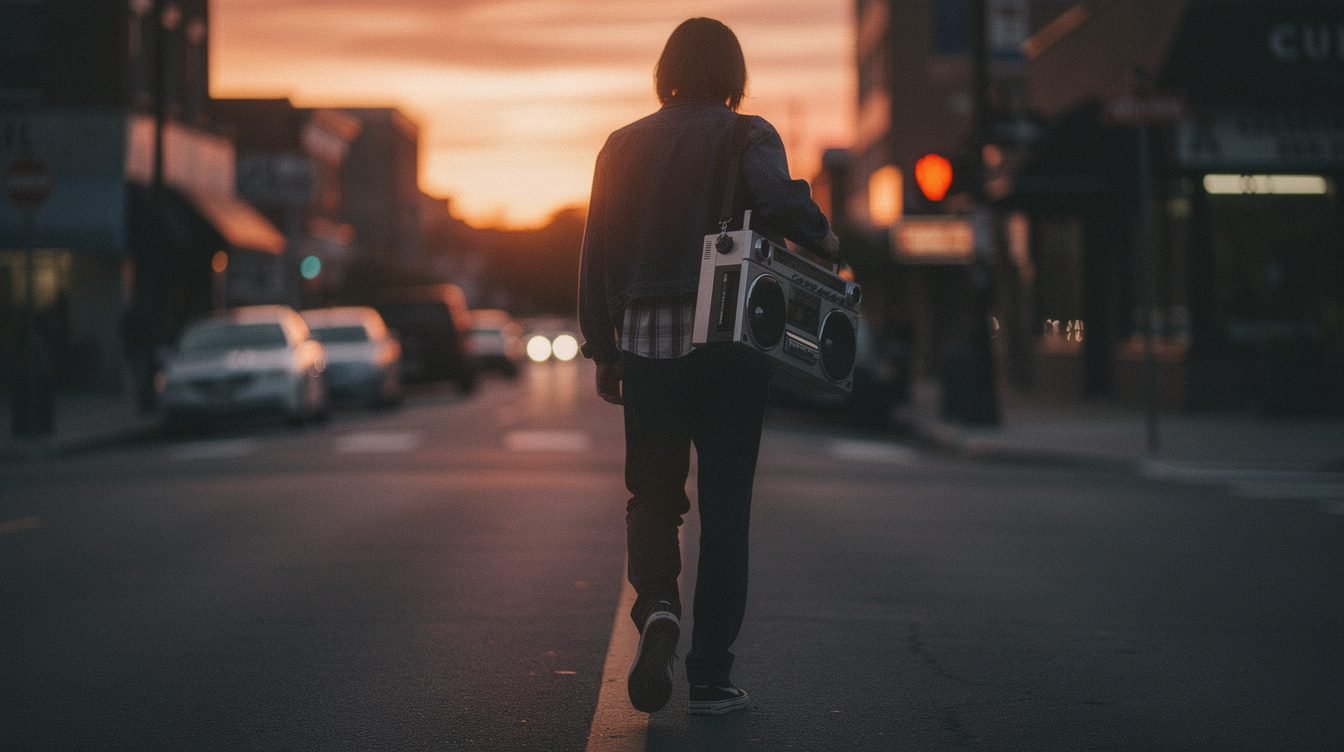
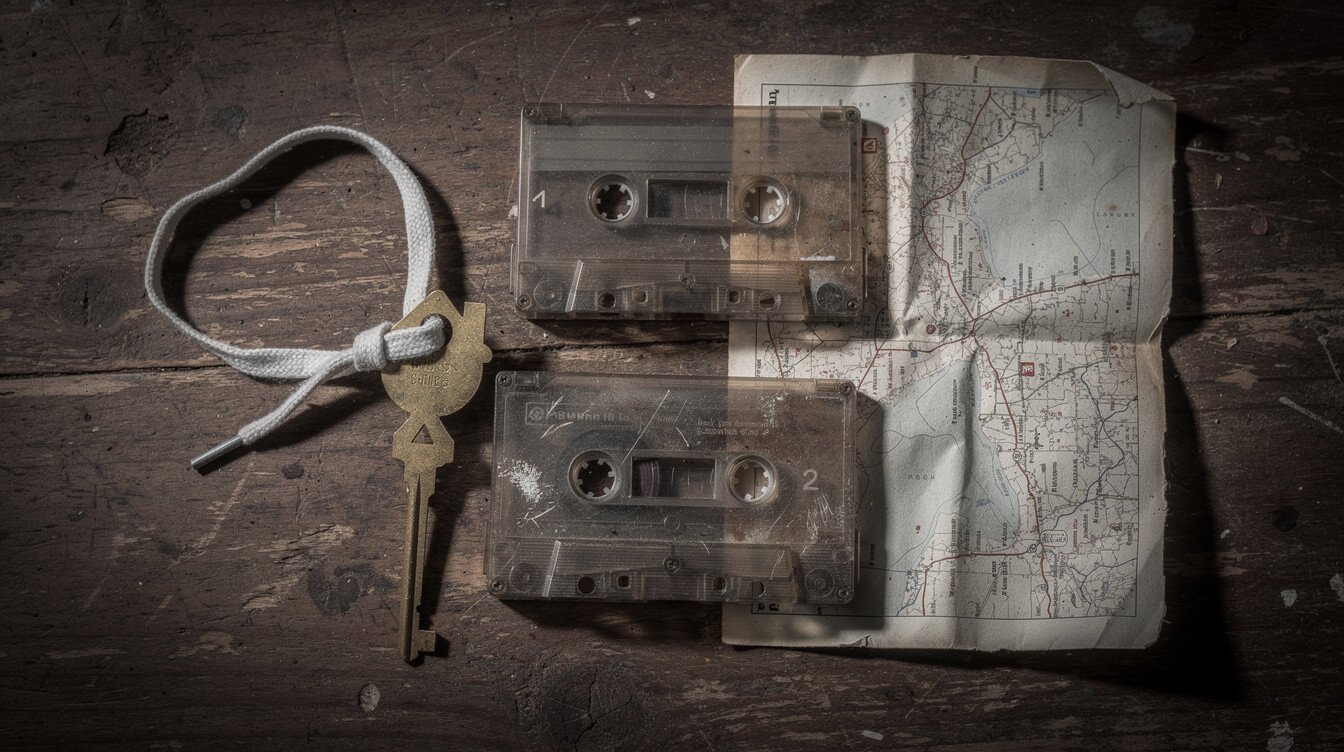
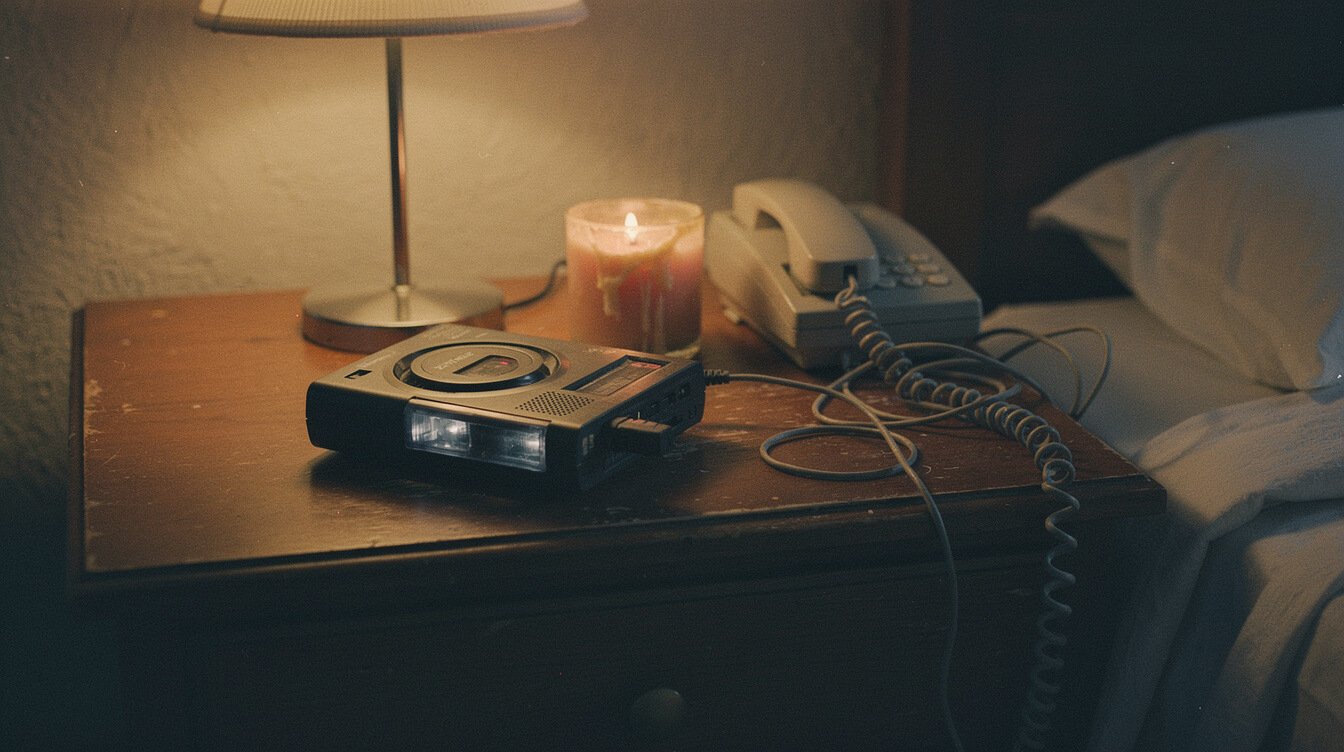
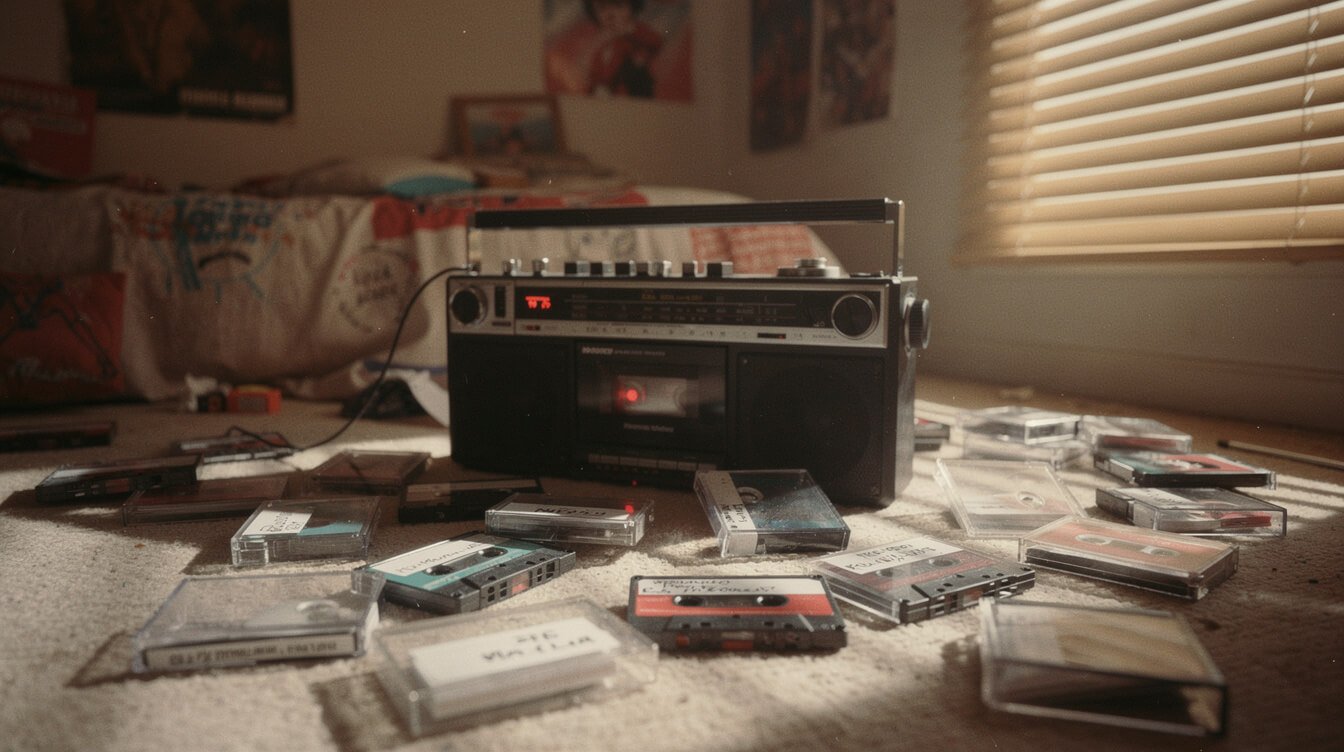
The problem isn’t that those posts are wrong, exactly. It’s that they’re flattening. They treat nostalgia like a reflex — show the object, get the response — when for us it was never really about the object. It was about what the object let you get away with. A mixtape wasn’t just a cassette; it was two hours of your bedroom floor, a boombox with a dying “pause” button, and a level of editorial control over your own feelings that a streaming playlist, built in ninety seconds, will never replicate. The actual rules of making one mattered more than owning one.
The listicle format can’t hold that. It can only hold the noun. So it keeps serving us the noun — the Trapper Keeper, the cassette player, the roller rink — and wondering why the reaction feels thinner than advertised.
There’s a simple test for whether a piece of nostalgia content actually understands the assignment: take away the object and see if anything’s left. Take the Trapper Keeper out of the sentence and what’s left is a kid who got exactly one shot at organizing their own life and took it way too seriously, alphabetizing folders for a class that lasted forty minutes. Take the cassette player out of the sentence and what’s left is the specific, private luxury of choosing your own soundtrack for a walk home that used to belong to whatever the world happened to be playing. The object was never the point. It was just where the feeling happened to live for a few years before it moved somewhere else.
Ours runs unsentimental, and that trips people up
Here’s the part that confuses people who didn’t grow up in it: gen x nostalgia is dry. It doesn’t cry. Ask a Gen Xer about being a latchkey kid and you’ll get a shrug and a joke about making your own after-school snacks over a stove nobody supervised, not a monologue about how hard it was. We’re not being tough about it for effect. It just wasn’t framed as hard at the time — it was framed as Tuesday.
That’s a different emotional register than the nostalgia most content is built to sell, which wants a warm ache — the golden-hour, “if I could go back” kind of longing. Ours is closer to a war story you tell at a party: technically about hardship, delivered entirely for the laugh. We survived on landline logistics and vibes. Nobody’s cell phone died because nobody had one to die. We got home, we let ourselves in, we figured it out. Said flat, with a little pride buried under the deadpan. That’s the whole emotional key change nostalgia marketers keep missing — they write the sentimental version and wonder why it reads like it’s for somebody else’s childhood.
It’s why a genuinely accurate piece of latchkey-kid merch has to resist the urge to say “latchkey kid” on it at all. If the joke needs the caption, the caption already lost.
Compare that to how other generations tend to talk about their own formative years, and the gap gets obvious fast. Ask a Boomer about the Summer of Love and you’ll get mythology, delivered with weight. Ask a Millennial about a specific viral moment from 2014 and you’ll often get something close to reverence, an artifact treated like it mattered because it went everywhere at once. Ask a Gen Xer about the defining event of their adolescence and there’s a decent chance you get a shrug, a one-liner, and a subject change. Not because it didn’t matter. Because performing that it mattered was never really our move.
Some of what we’re nostalgic for isn’t even ours
Here’s a stranger wrinkle nobody puts in the listicle: a good chunk of gen x nostalgia is actually borrowed. We grew up sandwiched behind a much larger generation whose coming-of-age soundtrack never really left the air — it was still playing on the radio, still running on the classic-rock station, still the wallpaper of every road trip our parents took us on. So a lot of us built real, specific affection for cultural moments that happened before we were old enough to have opinions about them.
That’s not fake nostalgia. It’s inherited nostalgia, which is its own thing — the difference between missing a place you lived and missing a place you grew up hearing stories about until it felt like yours. Gen X spent its whole adolescence a little out of sync: too young for the decade everyone older than us wouldn’t stop talking about, too old to fully belong to the one that came after. We ended up nostalgic for both, at different volumes, for different reasons. It’s a strange spot to stand in, and it’s a big part of why our version of looking backward runs on two timestamps instead of one.
It also explains a weird generational tic: Gen Xers can talk with real fluency about cultural moments we technically weren’t there for, the same way you can describe your parents’ wedding from having heard the story fifty times. We didn’t live it. We absorbed it by osmosis, through car radios and older cousins and reruns, until the border between “I remember this” and “I remember hearing about this constantly” got genuinely blurry. That’s not a flaw in the nostalgia. It’s just a second layer most nostalgia content doesn’t know to look for, because it’s built to sell the decade you were born into, not the one that was still playing on repeat around you.
Memory is doing more editing than you think
There’s a real phenomenon behind those “were we misremembering the whole decade?” think pieces, and it’s worth taking seriously for a second: pop culture consensus drifts. A song that was mid at the time gets remembered as a classic because it got a second life on a movie soundtrack fifteen years later. A show that barely survived one season becomes “the show everyone watched” because it’s the one that got syndicated into eternity. None of that is a personal failure of memory — it’s just what happens when thirty-plus years of retellings smooth the edges off the actual, messier timeline.
The mistake is treating that drift as an embarrassment, something to be corrected with a stern “actually.” It isn’t. It’s just how folk memory works, generation to generation, forever. What’s worth protecting isn’t the specific chart position of a song from 1987 — it’s the texture underneath the memory: the exact static on the radio dial, the exact fabric of the carpet in the arcade, the exact weight of a rotary phone. That’s the stuff that doesn’t drift, because nobody bothered writing think pieces about it. Nobody’s incentivized to relitigate the carpet.
There’s also a quieter reason the drift happens, and it has nothing to do with anyone’s memory being faulty: at the time, nobody was archiving anything. A song on the radio wasn’t a data point, it was just Tuesday’s soundtrack, and you had no way to check your memory against a record even if you’d wanted to. Compare that to how a Millennial or Gen Z childhood gets documented — tagged, dated, timestamped, backed up automatically to a cloud that remembers better than any human does. Gen X memory runs on a much older operating system: word of mouth, mixtapes with no track listing, VHS tapes recorded over three other things. It was never built for accuracy. It was built for company, for the version of the story that survives being told out loud a hundred times at a hundred kitchen tables. That version isn’t less true. It’s just true in a different unit of measurement.
What actually earns real gen x nostalgia (and what’s just cosplay)
So if the noun-based version of nostalgia is thin, and the sentimental version is off-key, what’s left? Something closer to a coordinate system than a highlight reel — a set of very specific sensory facts that, if you lived them, need zero explanation, and if you didn’t, no amount of explanation will fully deliver:
- The particular dread of a busy signal when you needed to reach exactly one person
- Getting a full sunburn because nobody’s phone had a clock, let alone a UV alert
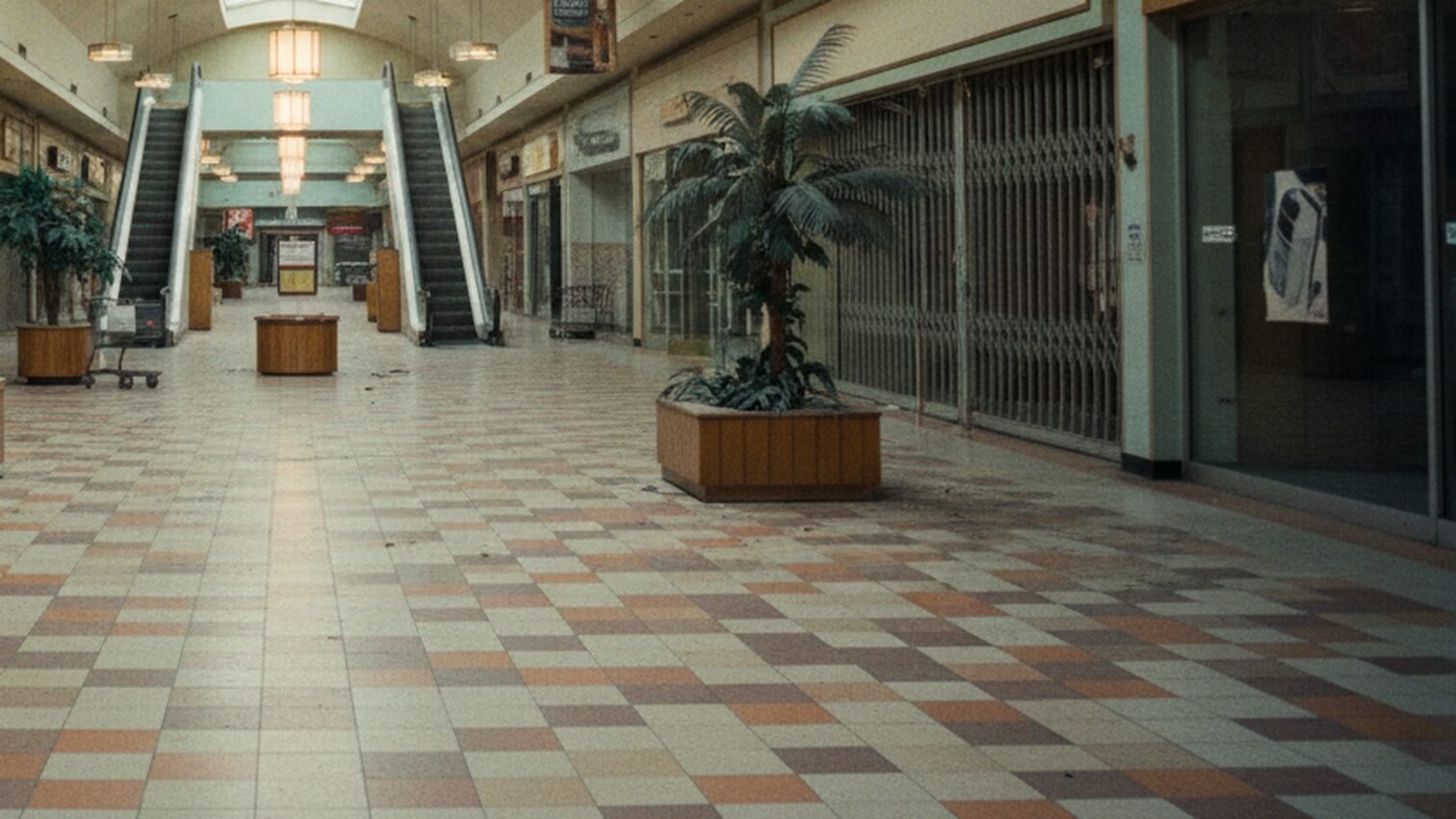
- The mall as a full afternoon’s destination, no purchase required
- Rewinding a tape with a pencil and considering it a skill
- Memorizing a phone number because there was no other place to keep it
Notice none of that is a brand name. That’s the tell for the cosplay version versus the real one — cosplay nostalgia needs a logo to point at, because the logo is doing all the work. The real version points at a feeling that happened to occur near a logo, incidentally, the way it also happened to occur near a specific stretch of sidewalk or a specific smell of chlorine. You don’t need the shirt to say the brand. You need it to say the sidewalk. That’s the whole design brief behind a good honest read on what actually defines this generation — and it’s the same standard we hold every design to before it gets made.
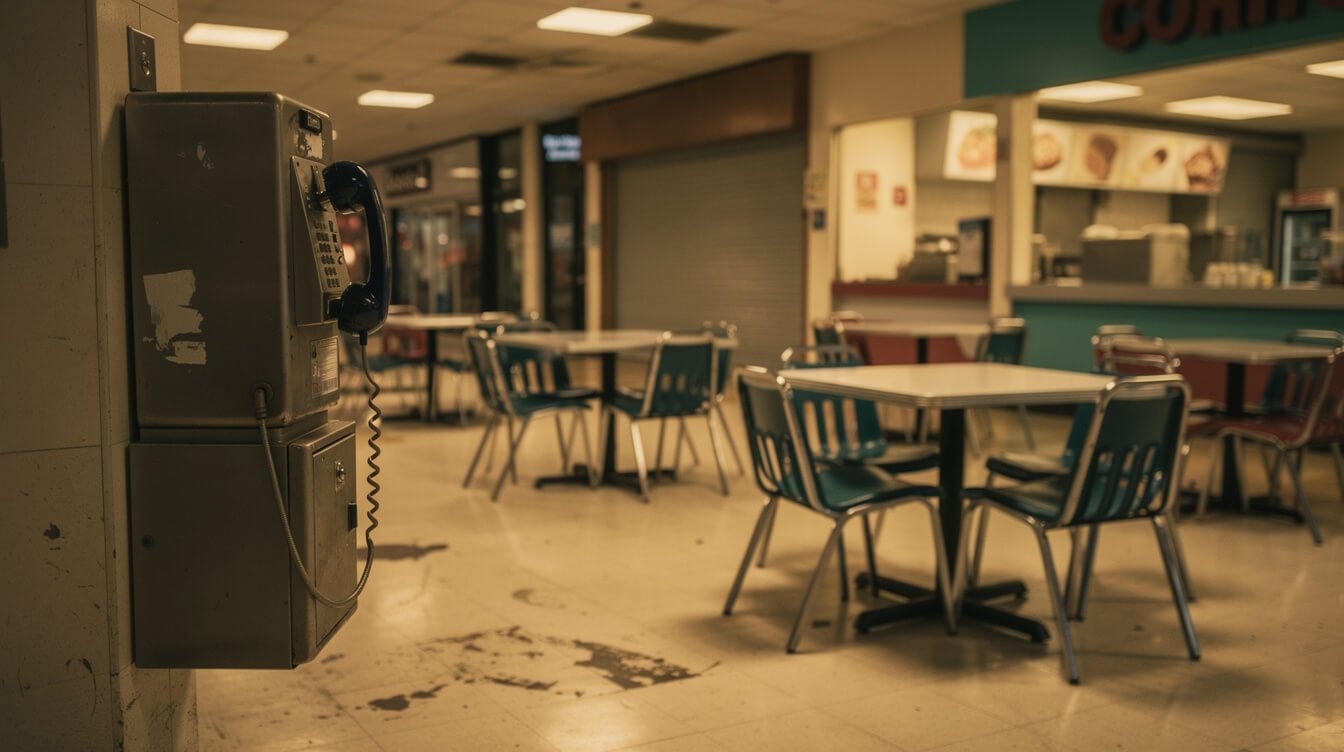
You can run the same test on a place instead of an object, and it holds up just as well. The mall earns real nostalgia not because it had a specific store in it, but because it was a rare stretch of hours with no adult assigned to you and no destination required — you could be there for four hours and accomplish nothing on purpose, and that used to be a perfectly respectable way to spend a Saturday. That’s a feeling, not a floor plan. Swap in a different mall, a different food court, a different bad haircut from a different regional chain, and the memory survives completely intact, because the thing doing the work was never the location. It was the hours.
Frequently asked questions about gen x nostalgia
Why does gen x nostalgia feel different from millennial or boomer nostalgia?
Mostly tone. It runs dry and self-deprecating instead of sentimental, because the childhood underneath it was framed as ordinary, not extraordinary, while it was happening. The fondness shows up as a joke, not a tribute.
Is gen x nostalgia just “manufactured” or misremembered, like some critics argue?
Some of the specifics drift, the way all thirty-year-old memories drift for every generation. That’s not the same as the nostalgia being fake. The sensory core — what a place sounded and smelled like — tends to survive a lot more accurately than the trivia does.
Why does so much “gen x nostalgia” content feel off to actual Gen Xers?
Because it’s built for a scroll, not a memory — fast images, a caption doing the emotional work for you. Actual nostalgia doesn’t need a caption. If a joke needs a footnote, it wasn’t built for the people who lived it.
What’s the best way to actually revisit gen x nostalgia without it feeling cheap?
Skip the logo-first version. Go specific and sensory instead of generic and branded — the exact dial tone, the exact carpet, the exact walk home — and let the humor carry it instead of a caption telling you how to feel.
Final thoughts
Gen X nostalgia isn’t a slideshow and it isn’t a diagnosis. It’s a very specific, very dry kind of fondness for a childhood that ran on landlines, latchkeys, and a level of unsupervised time that would alarm a modern parenting forum — remembered not with a sigh, but with a joke that lands in under five seconds if you were actually there. The internet will keep trying to sell it back to us in a format built for scrolling. It’s never going to fit. The real thing was never a highlight reel. It was Tuesday, and it was fine. Everything’s fine.
One good email, no fake hype
New designs and the occasional true story from the desk. No hashtags, no confetti emoji, we promise.