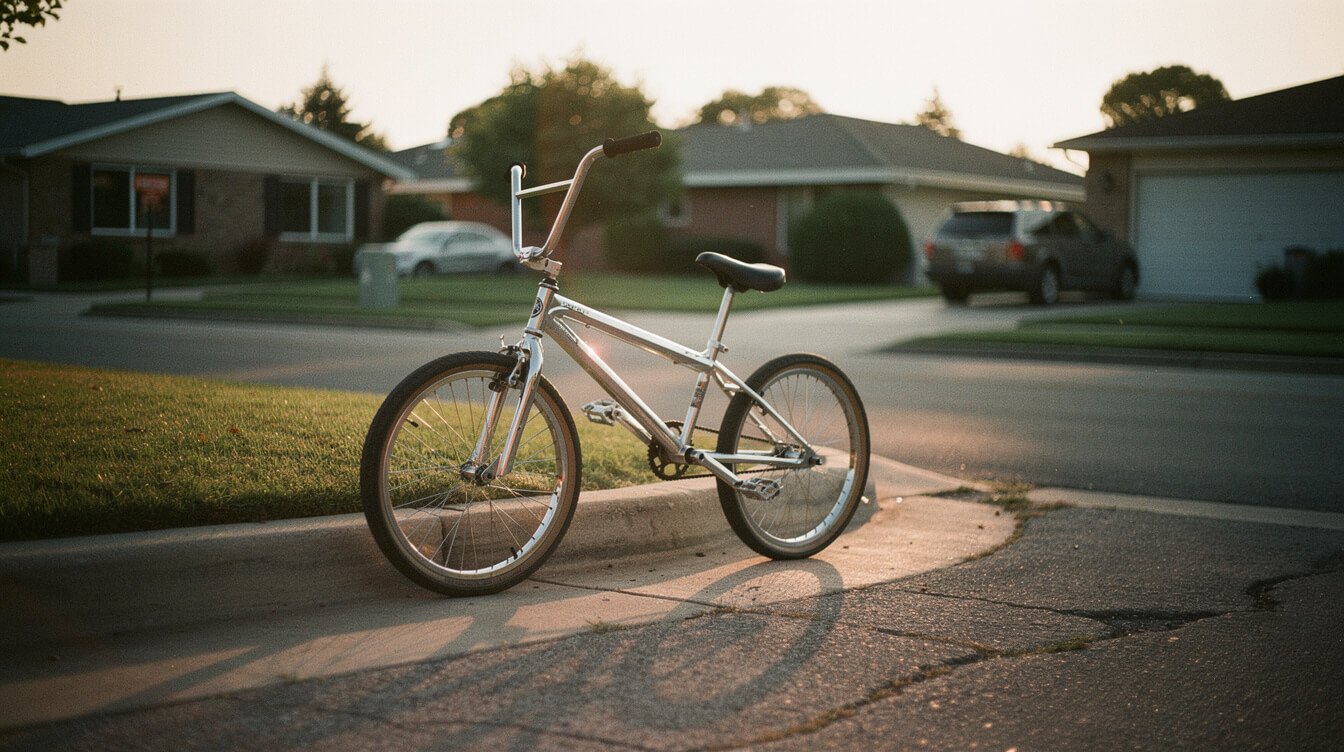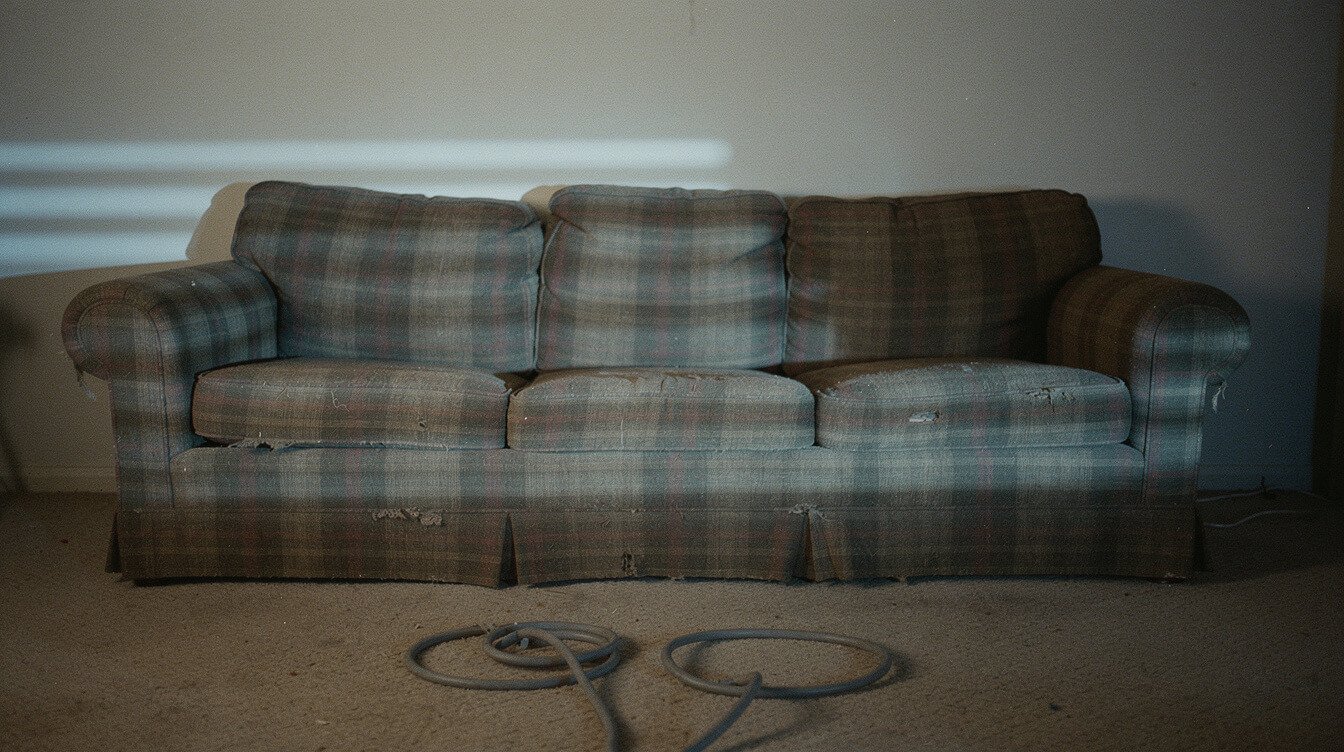
Scroll far enough on any given Tuesday and you’ll hit one: a washed-out photo of a wood-paneled station wagon, six words underneath it, no actual punchline — because the punchline is you. Gen X memes are everywhere now, which is a little funny, considering we didn’t invent the format and most of us post about four times a year.
Here’s what the listicles keep missing. A meme is a setup and a punchline with the setup surgically removed. That’s the entire mechanism. Nothing else. And the generation that grew up on static, three channels, and an empty house between 3:15 and 6:00 happens to be sitting on an enormous warehouse of setups that nobody has to state out loud.
So this isn’t another gallery of ninety-three images you’ve already seen. This is about why the format fits us like a shirt that’s been washed the right number of times — where it came from before any of it was online, what separates a good one from the kind that makes you close the tab, and the one failure mode that turns the whole thing into something we’d normally make fun of.
Gen X memes work because the setup is already in your head

Compression is the whole trick. A working meme carries maybe eight words, and those eight words are useless on their own. They’re a pointer. They resolve against something the reader already has loaded, or they resolve against nothing at all and die on the vine.
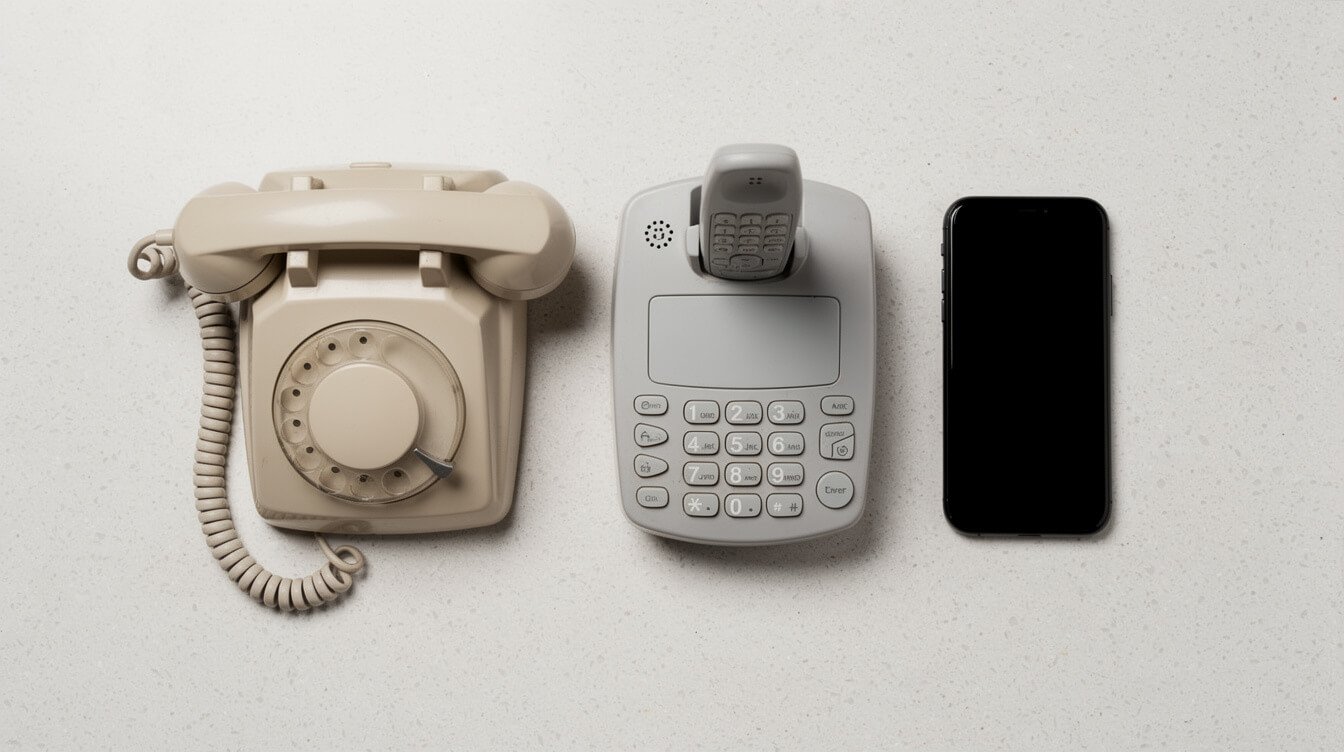
Which means the format is less a joke than a handshake. The person posting is checking whether you were in the building. A house key on a shoelace. The specific sound of a tape deck deciding to eat something irreplaceable. The phone cord stretched to its absolute mechanical limit and then around the corner into the hall closet. None of those are punchlines. They’re coordinates. You either land on them or you don’t.
And I’m not going to walk you through why any of those are funny. If a thing needs that, it isn’t one, and the explaining is what kills it. You either hear the tape deck or you don’t.
This is also why the best ones are so short. The temptation — and it is a strong temptation — is to add one more clause for the people who might not get it. Don’t. That clause is the difference between a joke and a tour. Our slang worked exactly the same way: the words were ordinary, the delivery did all the labor, and saying more would have ruined the only interesting part.
There’s a second filter under the first one, and it’s unforgiving: the thing has to resolve in about two seconds. Not because attention spans are short — ours are fine, we sat through entire Sunday afternoons with four channels and no remote — but because recognition is binary. You either had the thing or you didn’t. A joke that takes eight seconds to assemble isn’t building suspense; it’s a reader quietly doing homework. The best Gen X memes are closer to a smell than a sentence. They arrive complete.
There’s a test for this that’s never wrong. Read the caption without the image. If it still makes complete sense, you’ve written a sentence, not a meme. The good ones are nonsense standing alone, because all the weight is sitting in the picture, and the picture is sitting in the reader.
We were making memes on a photocopier
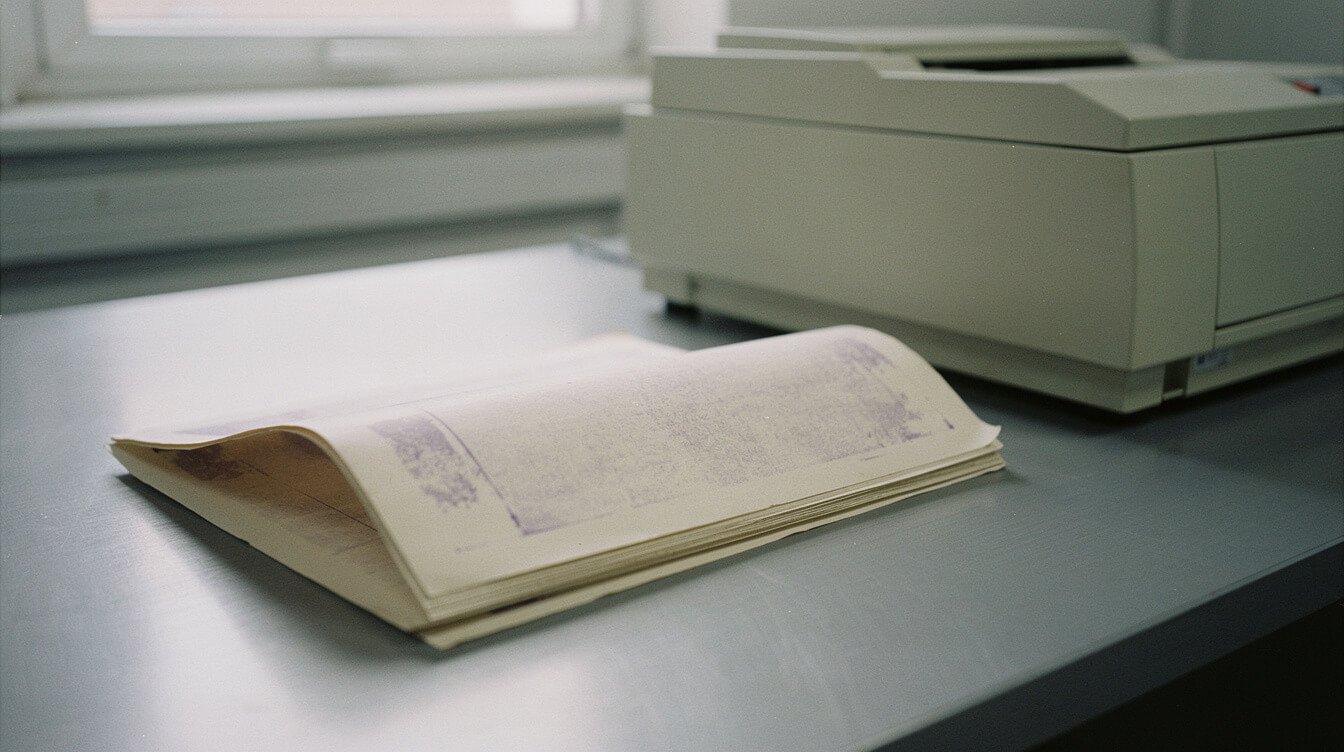
The format is older than the internet. Considerably older. Every office in America had a guy who’d come back from lunch with a folded sheet, hand it to you, and watch your face — a photocopy of a photocopy of a photocopy, image half-dissolved, three lines of type across the bottom. You read it, you laughed or you didn’t, and you ran one more copy before passing it along.
That’s the whole thing. Image macro, viral distribution, zero attribution, degraded with every share. The only difference is that the share button was a machine with a jam light that never went off.
Schools had their own version. Anybody who stood in a hallway holding a still-damp purple ditto sheet understands intuitively how a format gets softer and weirder every time it’s reproduced. We were raised on lossy. We find clean reproduction slightly suspicious.
And the captioning instinct showed up everywhere there was a blank surface. Bumper stickers, which were just a hot take at 55 miles an hour. Yearbook quotes, which were a username before usernames. The one-liner on a T-shirt, which is the format in its purest and most portable form. And the outgoing message on the answering machine — a bit you wrote, performed once, and then inflicted on every single person who called the house for the next two years, with no analytics and no way to tell if it landed.
There were weirder branches of the same tree. The chain letter, which was a meme with a threat attached and an absolutely ruthless distribution model. The zine, photocopied at somebody’s job after hours and traded at shows, which is a newsletter with the professionalism deliberately removed. The liner notes you wrote on the paper insert of a tape, where you had maybe forty characters per line to say something to one specific person and the constraint did all the work. Every one of these is the same instinct: compress it, hand it over, don’t stand there watching them read it.
Here’s the part worth sitting with. That degradation — the blown-out contrast, the smeared type, the fifth-generation mush — is now an aesthetic choice people make deliberately. The crunchy, oversaturated, barely-legible look that gets called deep-fried is a Xerox machine with extra steps. We didn’t choose that look. We just didn’t have a better one, and it turns out the noise was doing something. A little damage makes a joke read as found rather than made, and found is always funnier.
The three-generation test: why Gen X memes read differently
Hand the same photograph to three generations and watch what comes back. It’s remarkably consistent, and nobody’s really the villain here — the instincts are just calibrated differently.
The first version captions the image, then adds a second line explaining the caption, then closes with a sentiment and some punctuation that was not earned. The underlying worry is that you might miss it. It’s generous, honestly. It’s also the exact thing that turns a joke into a greeting card, and the sentiment at the end functions like a laugh track — proof the room was told when to respond.
The second version knows it’s a meme and wants you to know that it knows. Four stacked layers of irony, a reference to the format inside the format, and a caption that comments on the caption. It’s genuinely clever and often very funny. It also never stops performing, and the performance is doing something a confident joke doesn’t need to do.
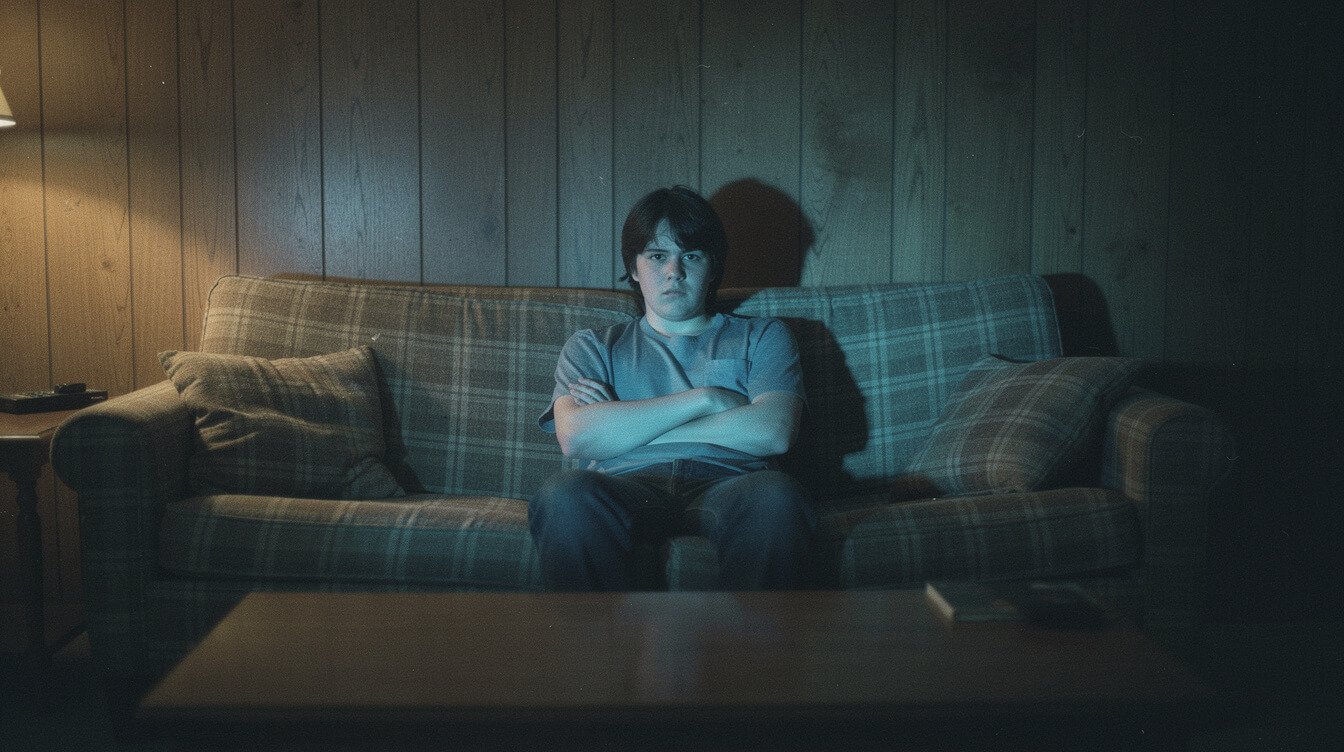
The third version puts the thing down and leaves the room. No setup, no landing, no indication whether it’s supposed to be sad. A photo and six flat words. It reads almost unfinished, which is the point — the restraint is load-bearing. Confidence in a joke looks exactly like not sticking around to see how it went.
None of this is a ranking, and the versions bleed into each other constantly — plenty of Gen X memes are made by people who are forty-two and plenty are made by people who are seventy. What’s being described is a default setting, not a birth certificate. The setting is just unusually consistent: when in doubt, say less and leave.
That restraint tracks with everything else about this cohort. We were the ones who got described as cynical by people who mistook low volume for low interest. It’s the same instinct that made us suspicious of anything trying too hard: the generation raised inside the golden age of advertising learned early that enthusiasm is a sales technique. So we under-sell. Including the jokes. Especially the jokes.
The “we survived” genre is the biggest one, and the most misread
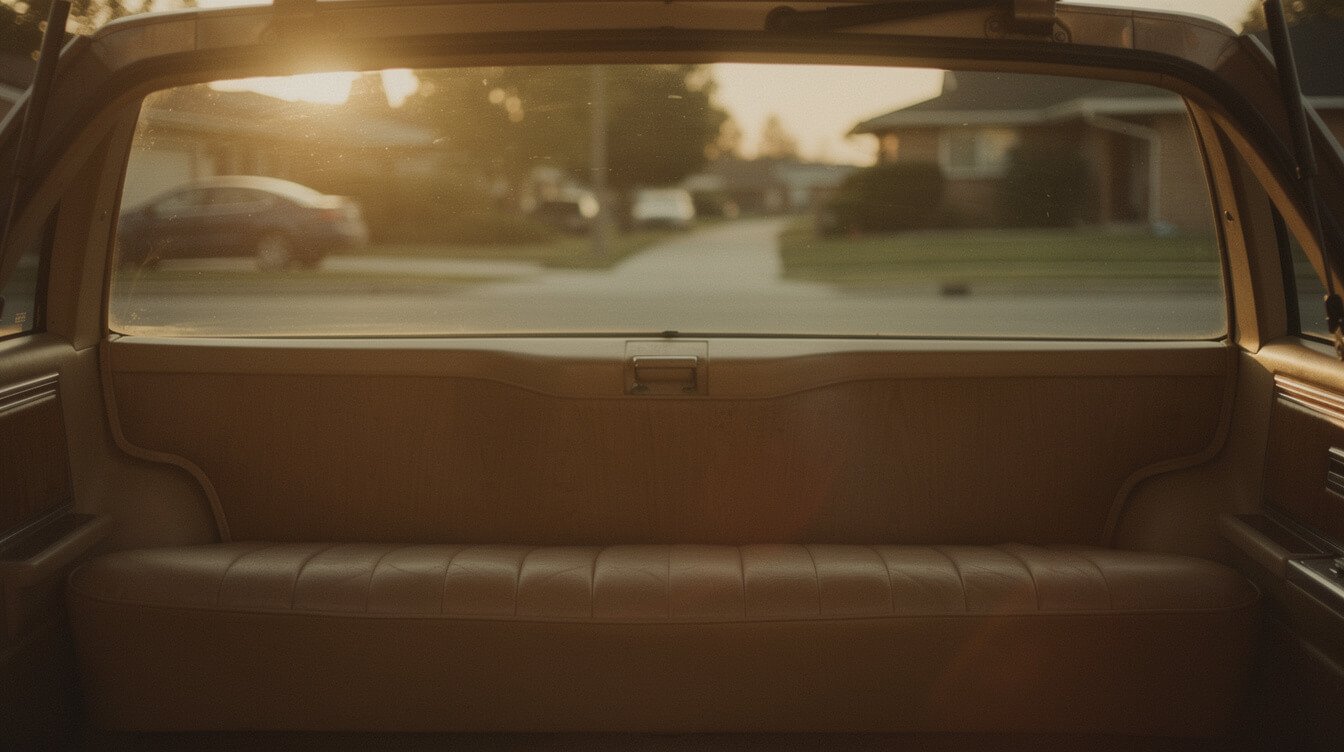
Run the numbers on any pile of Gen X memes and the biggest single category is danger. The way-back of the wagon with no belts and no plan. Riding in the bed of a pickup. Lawn darts, which were a projectile sold as a toy. Drinking from the hose. The all-day absence that nobody logged because the only requirement was being back before dark.
The common reading is that we’re bragging about having survived. That’s not it, and the difference matters.
The actual content of that genre is being unsupervised. We’re not posting about the danger; we’re posting about the enormous quantity of time in which no adult knew our coordinates, and we’re posting about it flat, because flat is the only tone that works. Said warmly it becomes a complaint. Said sadly it becomes an essay about being handed a key and figuring it out, and that essay already exists and nobody wants it.
So the deadpan isn’t a stylistic preference. It’s structural. Underneath most of these is a version where somebody was alone a lot, and the joke is the agreement among everyone reading not to pick that up and turn it over. That’s not denial. It’s a decision — a group decision, made silently, over and over, by people who’d rather be dry than be handled.
You can watch the mechanism work on the one that circulates every few months — some variation on being sent outside after breakfast and told not to come back until the streetlights came on, with the thermostat locked and the door locked behind you. It gets posted flat, with no commentary. And the comments underneath it are never sad. They’re people adding detail: the specific hose, the specific neighbor’s yard that counted as neutral territory, the exact hour the dinner call carried. That’s what the format is for. Not processing. Corroborating.
Which is also why these never tip into mourning. It was never a highlight reel, and nobody’s asking to go back. We’re just noting, with the flattest possible delivery, that it happened, that it was objectively unhinged, and that we’re still here. The humor isn’t a shield over something sad. It’s the actual response. It’s what we built instead.
The newsletter
Like a mixtape, but it shows up on its own
One email a week. The good posts, new designs, zero exclamation points. Unsubscribe whenever. We won't take it personally.
Where Gen X memes go wrong
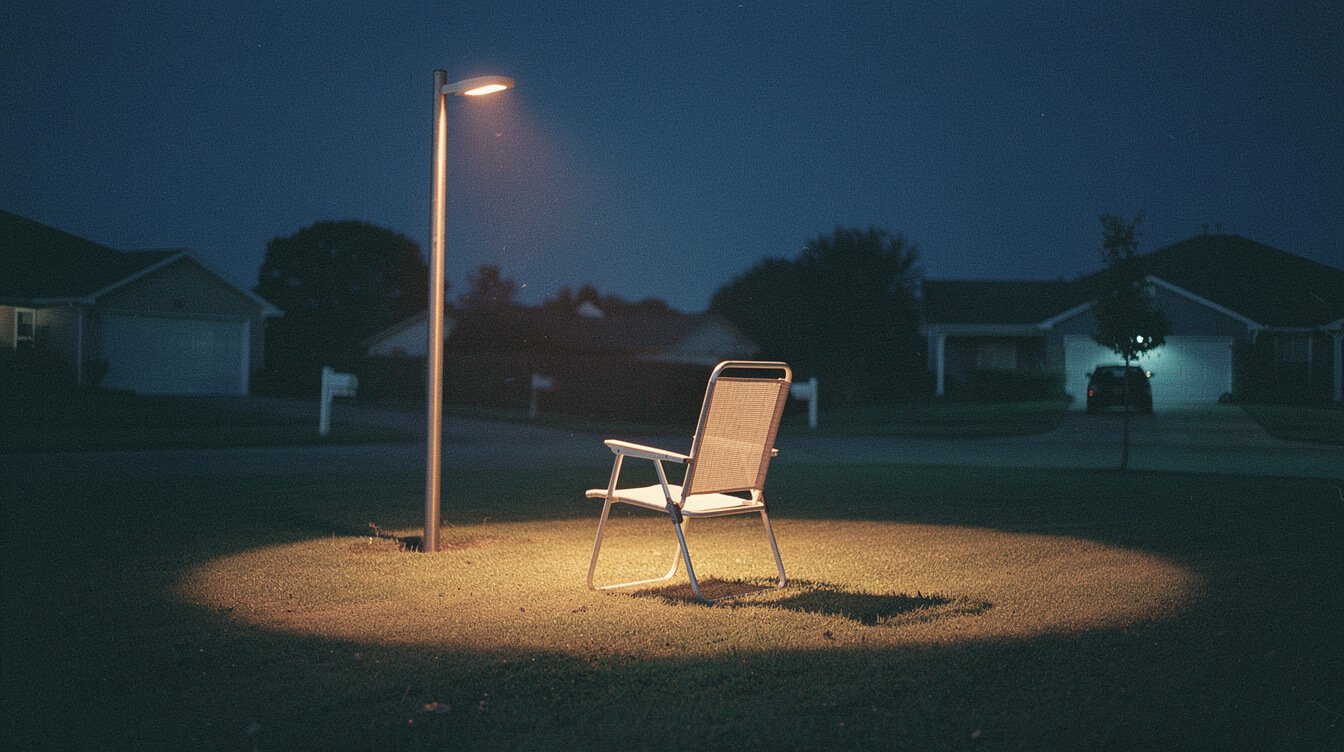
Gen X memes do go wrong, regularly, and almost always in one of four ways. Three are craft problems. The fourth is a character problem.
It explains itself. The image lands, and then the caption arrives to confirm that the image landed. Now there are two of everything and one of them is a receipt. Cut the caption or cut the image — whichever one is doing less.
It gets a detail wrong. This audience is the most brand-literate cohort ever assembled, raised on advertising and trained to find the seam. Put the wrong console in the wrong year, mix up a lyric, give a 1991 kid a 1983 toy, and it’s over before the second line. Not because anyone’s precious about it, but because a wrong detail proves the poster wasn’t there — and the entire transaction was supposed to be between people who were.
It asks to go back. “Take me back.” “Simpler times.” The instant a memory gets reached for instead of noted, the register breaks. We do fond. We do not do longing. There’s a hard line between remembering that the mall had a fountain and wishing you still lived near it.
And then the real one: it pivots to a lecture. It starts as a joke about riding bikes until the streetlights came on, and three lines later it’s “kids today wouldn’t last five minutes.” That’s not a meme anymore. That’s a complaint in a nice font, aimed at people who were four years old when the thing being praised was happening. It’s also, specifically, the move we spent our entire adolescence being on the receiving end of. Doing it back is the one genuinely embarrassing failure available to us, and it’s rampant.
The tell is simple: the second a joke needs somebody younger to be worse at life, it has stopped being funny and started being an argument. The best of this stuff is self-contained. It doesn’t need a comparison class. And the version of this we hand our own kids works precisely because it skips the lecture and keeps the delivery.
Which is, incidentally, why the format’s most durable version isn’t posted at all — it’s printed on cotton. One image, no caption underneath explaining the image, legible across a parking lot at forty feet. That’s the whole brief for everything in the shop: one idea, set down, with nobody standing next to it telling you how to take it.
Six words, minus the six words
Same rules as a good one of these: one idea, no caption confirming the idea, and no second line for the people who might not get it. It reads across a parking lot or it doesn’t.
Gen X memes: the questions that keep coming up

Did Gen X invent memes?
No. The word was coined by Richard Dawkins in 1976 — in a book about evolutionary biology, which is the single most Gen X origin story a joke format could possibly have, given that most of us were in elementary school at the time and would not encounter the term for another thirty years. We didn’t invent the thing. We just spent decades practicing the compressed, unlabeled, pass-it-along version of it on paper.
Why are so many of them about danger?
Because danger is shorthand for being unsupervised, and being unsupervised is the actual subject. The lawn dart is a prop. The story is the empty house.
Why is there so little text on them?
Because every word you add is a word the reader didn’t need, and the reader notices. The format rewards whoever trusts the audience most. In practice that means cutting until it’s almost too thin, then cutting one more.
Where do Gen Xers actually post these?
Facebook groups, overwhelmingly, which is either deeply funny or completely appropriate depending on your mood. The generation that was early to the internet settled down on the platform everyone else left, turned off notifications, and now runs a well-moderated room with 80,000 members and no drama. Honestly? Correct behavior.
Do Gen X memes work on anyone outside Gen X?
Some of them, accidentally. A good one is built on a shared reference, so it either lands or it politely doesn’t — there’s no middle setting where somebody half-gets it. That’s a feature. A joke engineered to work on everybody is an advertisement, and we can spot one of those from the next aisle over.
Are they getting worse?
The volume is way up and the hit rate is down, which is what happens to any format once it’s established enough to be produced on purpose. The good ones still land at exactly the same rate they always did. There’s just a great deal more to scroll past on the way.
What makes one actually good?
One idea, no explanation, correct details, flat delivery, and nothing in it that requires anybody else to come off badly. That’s the whole rubric. It’s not complicated, which is why so many of them miss.

From the shop
Nirvana In Utero Chinese Fan Art Vintage T-Shirt
Price range: $24.99 through $26.99
Shop this designThe joke was always the point
There’s a reading of all this where the humor is a defense mechanism — where the deadpan is covering for a childhood that ran a little cold, and if we’d just talk about it properly we’d get somewhere. Maybe. But that reading assumes the joke is in the way of the feeling, and for this particular group, the joke is the feeling. It’s not covering the sentiment. It’s the agreed-upon format for delivering it without anybody having to make eye contact.
That’s what Gen X memes get right and what the roundups keep missing while they’re busy stacking up images. The appeal isn’t the station wagon or the lawn darts or the hose water. It’s that six flat words can land on somebody three time zones away, who nods once, doesn’t reply, and goes back to work. That’s the entire transaction. It was never about the past. It’s about the handshake.
Thirty years of practice on a photocopier, and we finally got the right machine for it.
Before you go
You made it to the end. Respect.
Get the best of these in one short weekly email, plus whatever we just printed. No spam. We were raised better than that. Mostly.