Search for 90s food and you get a lunchbox. Fruit snacks that burst, yogurt in a tube, cheese and crackers you assembled yourself in a plastic tray, a frosting dip with a cartoon on the lid. Every list agrees, more or less item for item, and every list is right. It just isn’t ours.
Gen X spent the 90s somewhere between ten and thirty-five, which means most of us spent it on the other side of the shopping cart. We were the ones holding the box, not opening it. And what we remember about 90s food isn’t a snack. It’s a fight. The whole decade was a war on fat, fought one gram at a time, and we were the first adults in history to go grocery shopping with a printed table of facts on the back of every package. We read it. We believed it. That’s the part nobody writes the list about.
Every 90s food list is somebody’s lunchbox
Here’s the thing about the snack roll call: it’s a kid’s-eye view, and that’s fine, because the people writing it were kids. A ten-year-old in 1996 had a strong opinion about which fruit snack was best and no opinion at all about how the kitchen got stocked. The food just appeared. Somebody bought it.
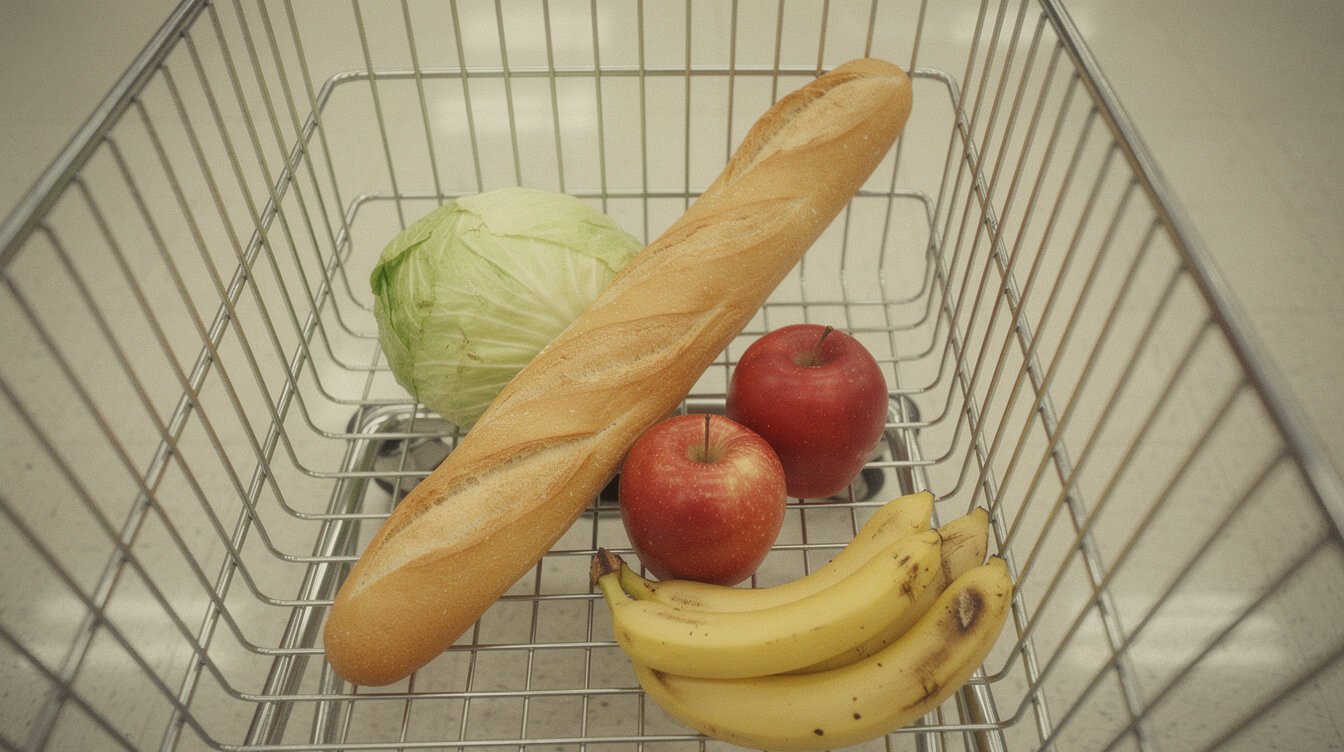
For a lot of Gen X, by the middle of the decade, that somebody was us. We were in dorms, in first apartments with one working burner, in shared houses where the fridge had masking tape names on everything. The first time you buy your own groceries, you find out how much a week of food costs, which is more than you’d assumed, and you find out that you have no idea what you’re doing. Our parents had a system. We had a cart and a vague feeling we should be eating something green.
And into that vacuum walked the most confident nutrition advice any generation has ever been handed. The government had a chart. The food companies had a label. The magazines in the checkout line had a single enemy, and it was fat. If you were twenty-four and learning to feed yourself, you didn’t have to figure anything out. You just had to find the package that said zero.
So the 90s food we remember is less a menu than a set of rules. Read the back. Count the grams. Bread is the foundation. Fat is the villain. Anything that says “free” is free. We followed those rules with the earnest diligence of people who’d been raised on nothing in particular, and it’s worth looking at them one at a time, because almost every one of them turned out to be a little wrong in a very specific way.
None of this is a complaint, by the way. It’s a field report. We already wrote about the stuff we paid for in the 90s; this is about the stuff we ate, and the fine print we read before eating it.
The label showed up, and we actually read it
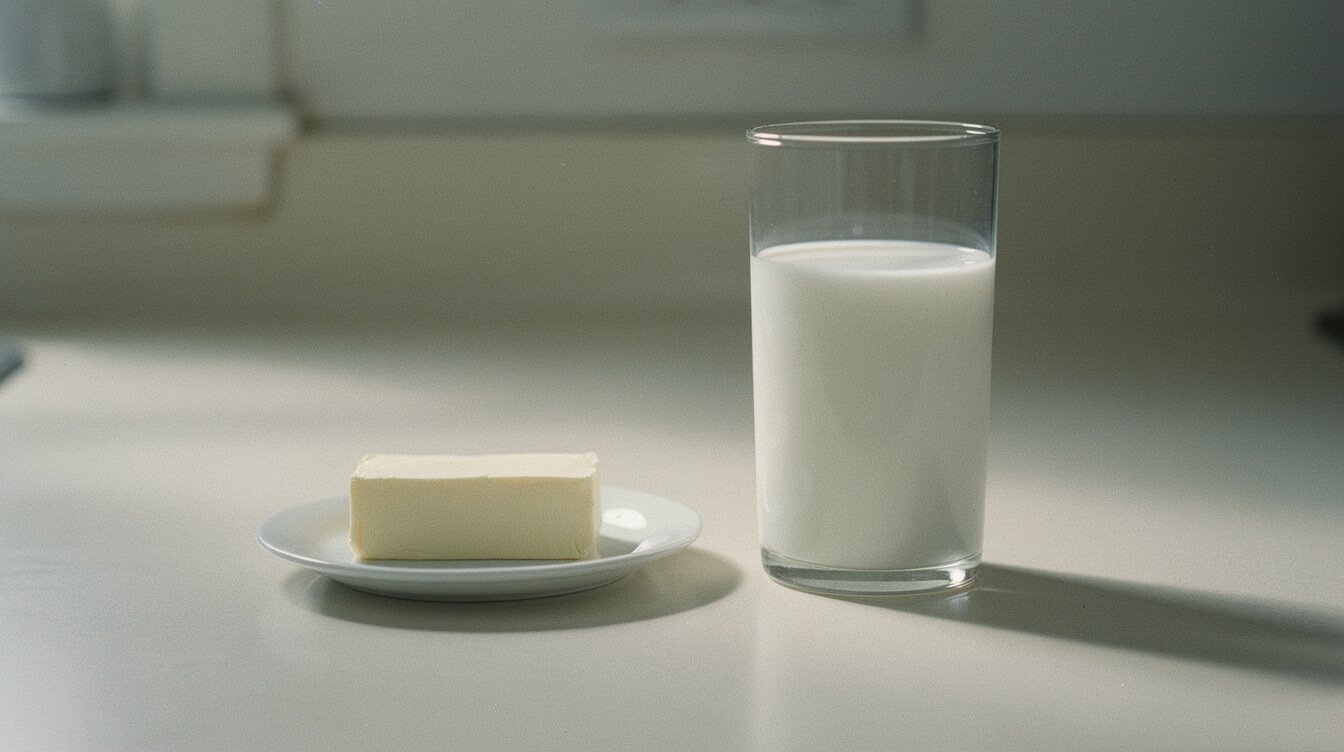
On November 8, 1990, the Nutrition Labeling and Education Act was signed into law. It took the federal government three and a half years to write the rules, and on May 8, 1994, they kicked in: nearly every packaged food in America had to carry the same black-and-white box, with the same fonts, the same order, and the same serving sizes. Calories. Total fat. Saturated fat. Cholesterol. Sodium. A column of percentages that nobody fully understood but everybody looked at.
It’s hard to overstate how new this was. Before the panel, a box could tell you whatever it wanted, in whatever order it wanted, with whatever claims it could get past a lawyer. “Lite” meant whatever the marketing department needed it to mean that quarter. The 1990 law also put the federal government in charge of words like “low fat” and “high fiber,” which until then had been more of a mood than a measurement.
And here’s what made it a Gen-X thing: we were the first adults who never knew grocery shopping without it. Our parents learned to shop in the old system and adapted. We learned to shop at the exact moment the label arrived, which meant we absorbed it as a law of nature. You picked up a box, you turned it over, you read the fat line. If you’re of a certain age, you still do this, in a store, without deciding to. It’s muscle memory. It’s like checking whether the stove is off.
What the label couldn’t tell you
The panel was honest. That was the problem. It told you exactly how many grams of fat were in a serving, and a serving was whatever the label said it was, and the label said it was about eleven chips. The panel answered the question you asked, and the question everybody asked in the early 90s was “how much fat?” Nobody turned the box over to check the sugar. Sugar wasn’t the bad guy yet. Sugar was the guy standing next to the bad guy, looking innocent.
Which is how we got to the cookie.
Fat-free everything, and what they put in instead
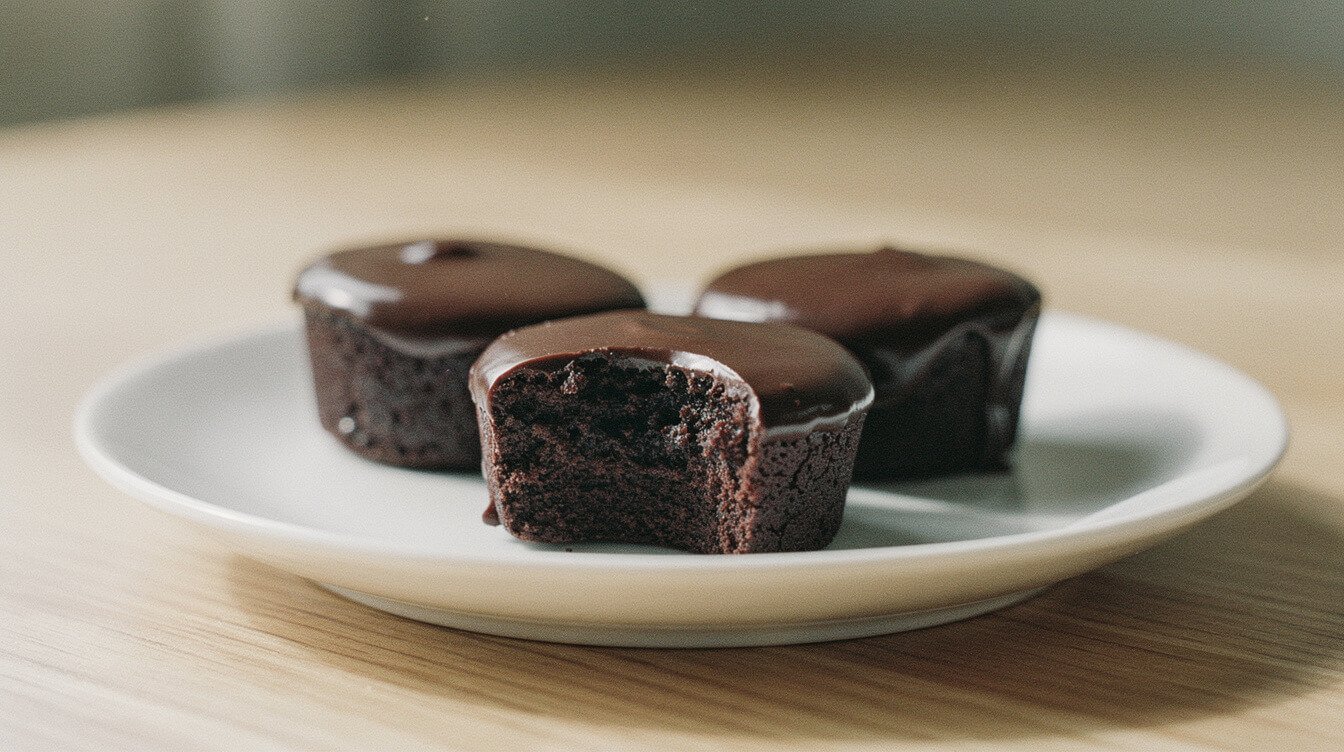
In August 1992, a major cookie company launched a fat-free devil’s food cookie cake in a green box. By the next year, you couldn’t find one. The cookies sold out so steadily, store after store, that the company ran ads apologizing for the shortage and started handing grocers its own sold-out signs, in the same shade of green as the box. If you know, you know. You may have stood in an aisle staring at one of those signs, holding a cart, wondering why you suddenly wanted the thing you couldn’t have more than any cookie you’d ever eaten.
That’s the 90s food story in one product. The fat was gone. What replaced it was sugar, and more of it. As the nutrition writer Marion Nestle later put it, those were no-fat cookies with almost the same number of calories as the regular ones. The label was technically perfect. Zero grams of fat. A serving size of one cookie, which is a hilarious idea of a serving.
And the box gave us permission. A cookie with no fat in it wasn’t a cookie, it was a decision you’d already made correctly, so you might as well have four. This later picked up a name in nutrition circles, after the brand, and it described something everybody who lived through it already knew in their stomach. “Fat-free” didn’t make a food good for you. It made a food feel like it didn’t count.
Fat-free, the ingredient
Once the cookie worked, everything else followed. Fat-free salad dressing that tasted like sweet water. Fat-free cheese that didn’t melt so much as sulk. Fat-free sour cream, fat-free half-and-half (think about that one), fat-free frozen yogurt, which was the dessert you were allowed to have every night if you said “frozen yogurt” instead of “ice cream.” The skim milk came in, the whole milk went out, and a glass of it looked a little blue in the light, like it was cold all the way through.
Then, in January 1996, the FDA approved a fake fat for snack foods. It was a fat molecule built so the body couldn’t absorb it, and it came with a federally required warning printed right on the bag: it “may cause abdominal cramping and loose stools.” That warning stayed on the package until 2003. We bought them anyway. Let that be the whole review of the decade’s judgment: we read the label, the label warned us, and we ate the chips.
The pyramid told us to eat eleven servings of bread
In 1992, the USDA released the Food Guide Pyramid. It had been ready to print in 1991, then sat for more than a year while it got argued over and redrawn, and when it finally came out, it was on every cafeteria wall, cereal box side panel, and health-class handout in the country. You can picture it right now. Most people can.
At the bottom, the wide base: bread, cereal, rice, and pasta, six to eleven servings a day. Then vegetables, then fruit, then dairy and meat, and at the very top, in a tiny triangle, fats, oils, and sweets, to be “used sparingly.” The message was simple and easy to read from across a room. Carbohydrates good. Fat bad. Build the house on starch.
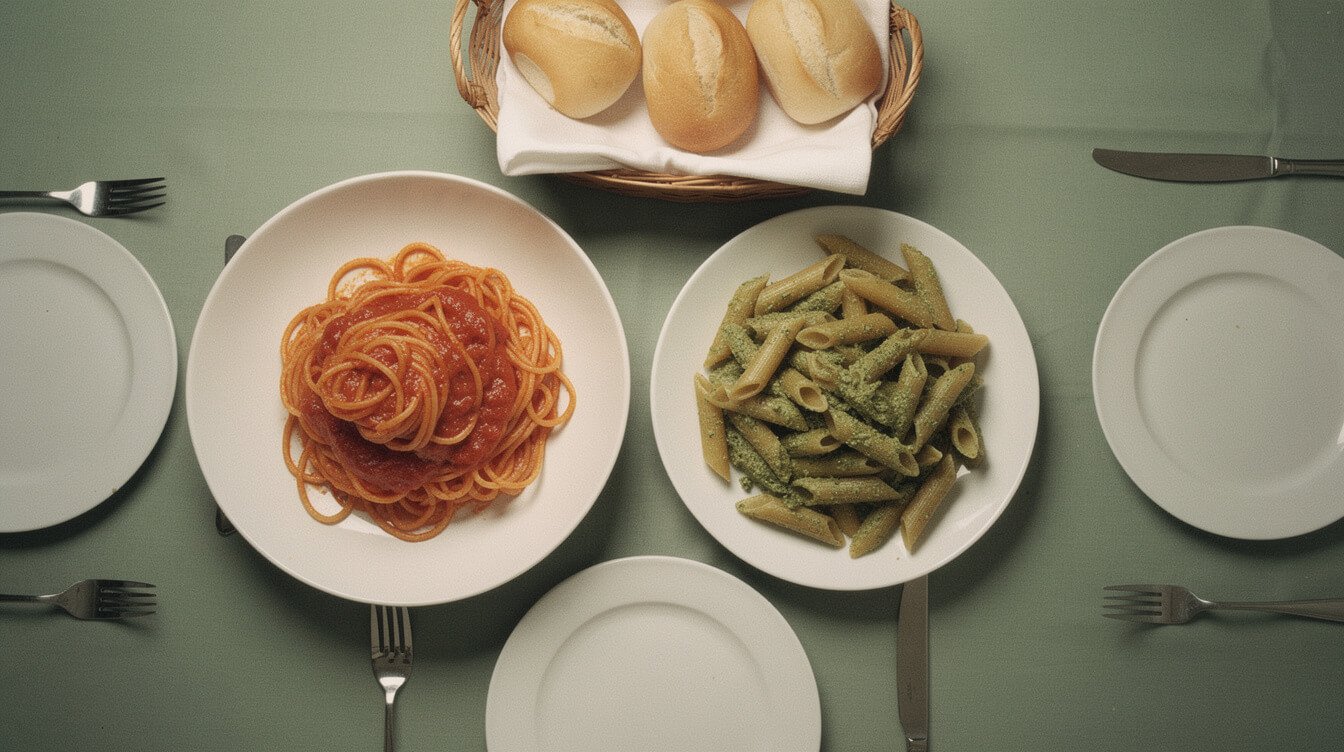
Eleven servings. Nobody has ever eaten eleven servings of anything on purpose, except Gen X in the 90s, who took it as a dare. If you were living on your own, the pyramid was great news, because pasta was cheap, bread was cheap, rice was cheap, and the government had just told you that a pot of spaghetti was the most nutritious meal on earth. You could feed four people for the price of a six-pack. You did, often. It was called a dinner party.
The pasta-and-bagel decade
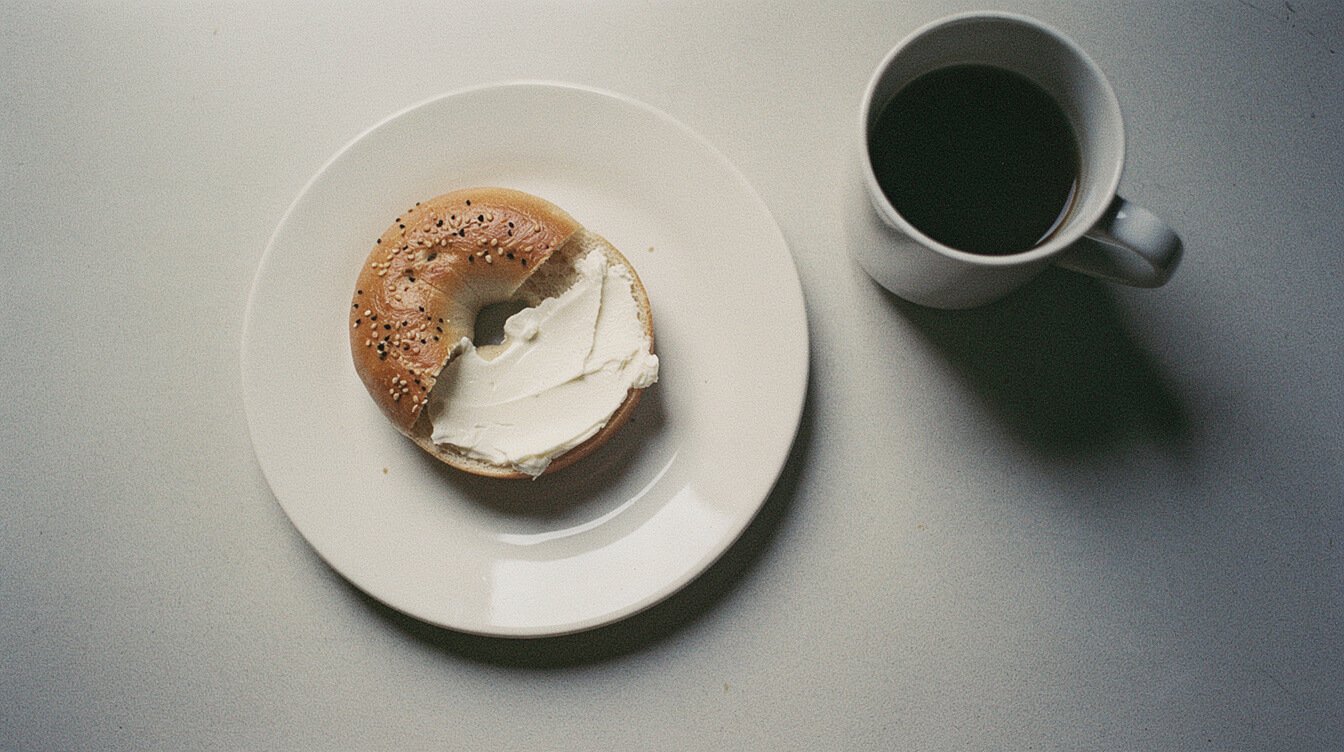
Look at what the American table did next. Pasta stopped being a side dish your grandmother made on Sundays and became the main event, with pesto, with sun-dried tomatoes, with grilled chicken on top to show you were serious. Bagels went national, from a regional thing to a thing in every strip mall, and a plain bagel was the perfect pyramid food: almost no fat, dense as a brick, and with a smear of fat-free cream cheese, practically a vitamin.
The pyramid was revised and eventually replaced, and its grain-heavy base is the first thing people mention when they talk about what it got wrong. But it’s not hard to see why it stuck. It was clear, it was official, and it agreed with the label. Two separate authorities had told us the same thing. We were a generation that famously distrusted authority, and we still bought the bagels.
The newsletter
Like a mixtape, but it shows up on its own
One email a week. The good posts, new designs, zero exclamation points. Unsubscribe whenever. We won't take it personally.
Salsa beat ketchup, and the menu got bigger
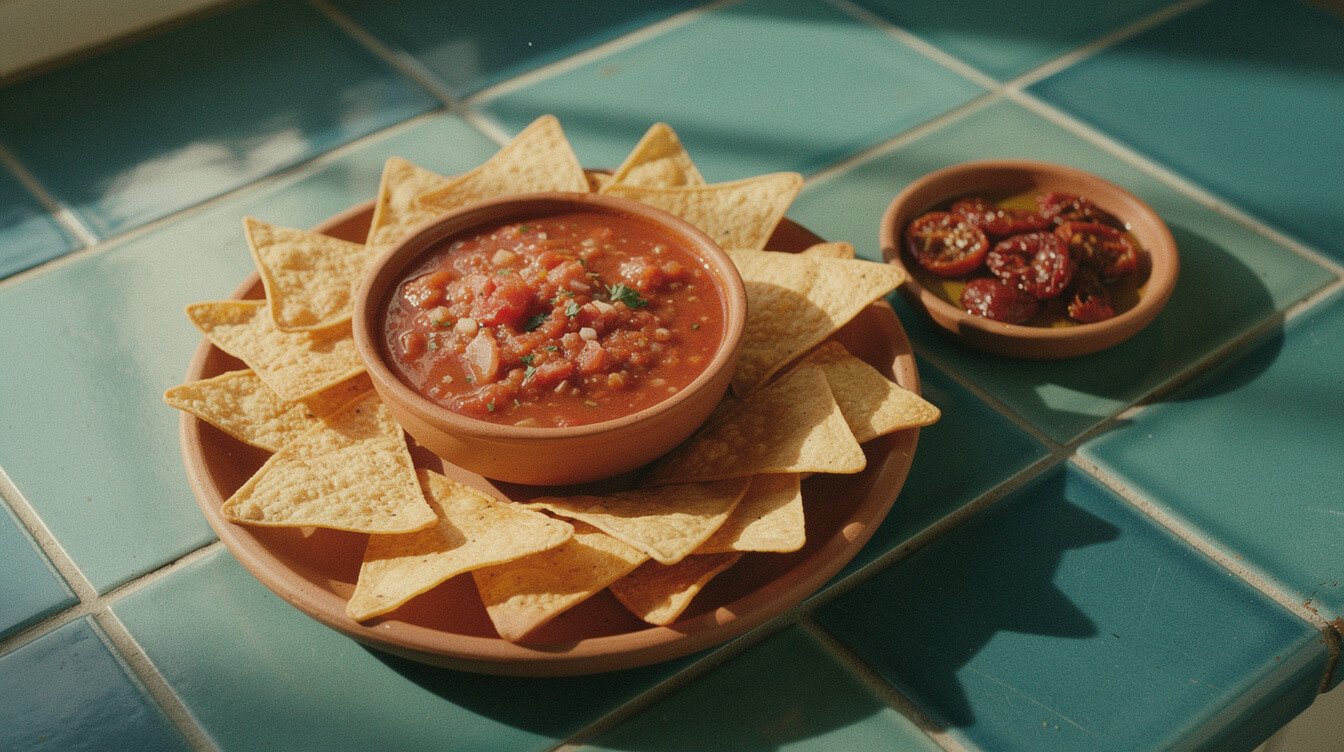
In March 1992, the business pages reported something that sounded like a joke: Americans had spent more money on salsa and picante sauce than on ketchup, for the first time, by about $40 million. That’s a dollar figure, not a bottle count, but the industry counts at the register. Between 1988 and 1992, the share of households buying salsa more than doubled. The national condiment had changed hands, quietly, in the produce-adjacent aisle.
That headline is a good marker for the other half of 90s food, which wasn’t about rules at all. The menu just got wider. A lot of Gen X grew up in houses where “ethnic food” meant a taco kit once a month and where garlic came in powder form. By our late twenties, we were eating pad thai, burritos the size of a forearm, sushi from a grocery store fridge, and hummus, which a lot of people in a lot of states had never heard of in 1985 and couldn’t stop serving by 1998.
The sun-dried tomato is the mascot. It showed up on pizza, in pasta, in salad, in bread, in a cream cheese spread for bagels, and probably at some point in a muffin. Nobody knows who started it. Everybody knows how it ended, which was in a jar of oil at the back of a cupboard, about two years later. The 90s did that with flavors: found one, loved it a little too much, and wore it out.
Then there was the coffeehouse. The decade started with drip coffee at the diner and ended with a drink that took four words to order and arrived in a mug the size of a soup bowl. In between, a lot of Gen X found a second living room with secondhand couches and a tip jar, and stayed there for an afternoon on one cup. The coffee was fine. The point was the couch. If you’d rather wear the decade than drink it, the GenerationX shop doesn’t do foam.
Zero grams of anything
For the one who still turns the box over before putting it in the cart. Nothing on the back to read. We checked.
What we actually ate at 26
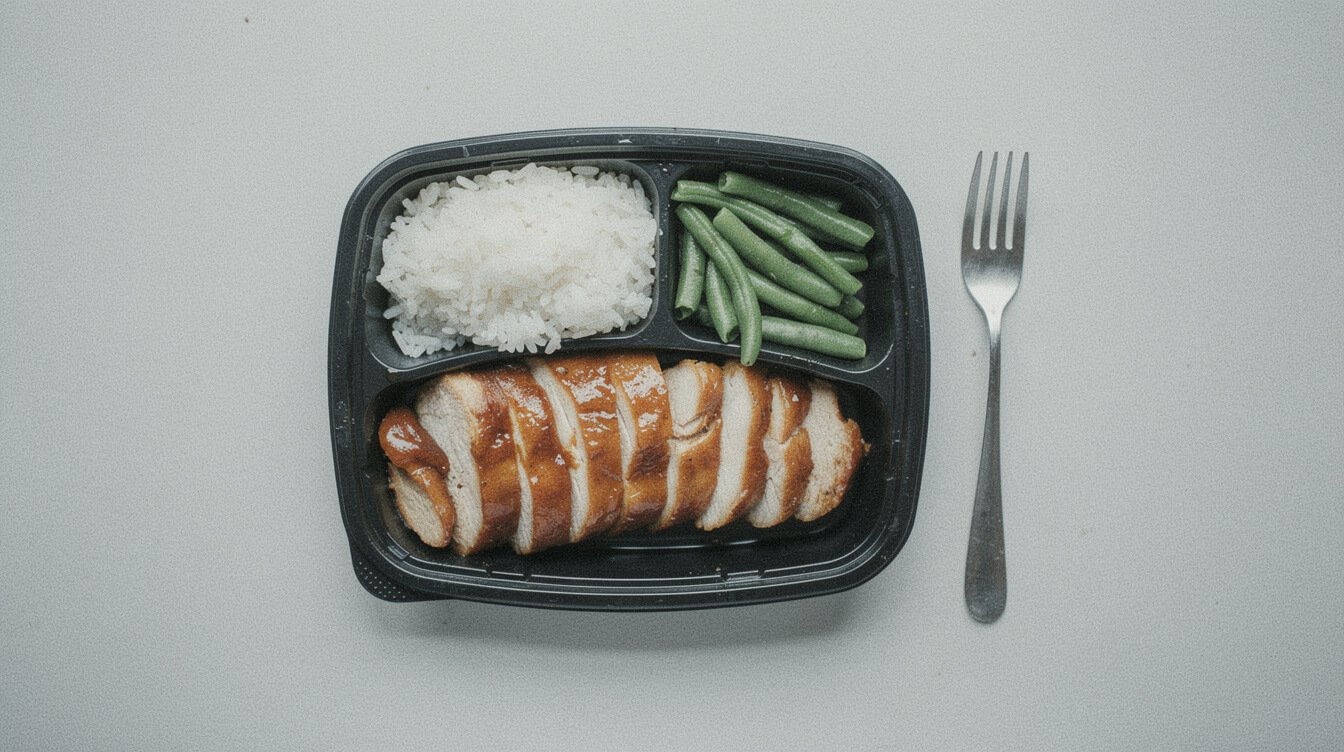
Put the rules and the bigger menu together and you get the real 90s food of a Gen-X adult, which was not glamorous. Here’s a reasonably honest week.
Breakfast was a bagel, eaten in the car or at a desk, or a bowl of cereal that the side panel assured you was a good start. Lunch was the microwave entree, the “lean” one, in a black plastic tray with three compartments, which you ate at your desk because you could, and because the office microwave had a line at 12:05. You learned exactly how long to vent the film. You learned that the middle was always still frozen. You ate it anyway, with a plastic fork, while the screen saver drew pipes. (We covered what we wore to that desk separately. Pleated, mostly.)
Dinner was pasta, again, or takeout from one of the menus in the kitchen drawer. Every apartment had that drawer: menus folded in thirds, a few rubber bands, soy sauce packets from places you’d stopped ordering from, and a phone number written on the back of a receipt that you no longer remembered. Ordering meant calling, and calling meant reading your address out loud and spelling the street name twice. Later in the decade, a few of us ordered pizza from a computer, which felt like the future and took about as long as the phone, plus the dial-up handshake.
Company food
When people came over, you made something from a cookbook with a spine that wasn’t cracked yet. Penne with vodka sauce. A big salad with goat cheese and walnuts and a vinaigrette from a cruet. Something involving a balsamic reduction, which was the decade’s way of saying “I own more than one pan.” Dessert was a store-bought cheesecake, cut into exactly as many slices as there were guests, or a fat-free something nobody finished.
And the late-night food was a different country, governed by different laws. No pyramid, no label, no grams. A diner at 2 a.m. with eggs and fries and a bottomless cup. A gas-station burrito that we won’t describe further. A drive-thru, after a show, eaten in a parked car with the dome light on. That’s the 90s food nobody makes a list about, because nobody brought a camera. The kid lists have product photos. Ours has a fluorescent light and a fork.
90s food: quick answers

What food was popular in the 1990s?
It depends on how tall you were. For kids, 90s food meant brightly packaged snacks, lunch kits, fruit snacks, and pizza in every possible format. For adults, it meant fat-free versions of everything, bagels, pasta with sun-dried tomatoes, salsa, frozen yogurt, wraps, hummus, the coffeehouse, and the microwave “lean” entree. The two lists barely overlap, which tells you something about who was buying.
Why was everything fat-free in the 90s?
Because the advice of the moment pointed at fat as the main dietary villain, the 1992 food pyramid put fats at the top in its smallest section, and the new Nutrition Facts panel (required from May 1994) put total fat on the second line of every package. Food companies responded by stripping fat out, often replacing it with sugar and starch. The label stayed accurate. The food got sweeter.
What did the 90s food pyramid recommend?
The USDA’s 1992 Food Guide Pyramid recommended 6 to 11 servings a day of bread, cereal, rice, and pasta, 3 to 5 of vegetables, 2 to 4 of fruit, 2 to 3 each of dairy and of meat, beans, eggs, and nuts, and fats, oils, and sweets “sparingly.” It was later replaced, first by a redesigned pyramid and then by a plate.
What food should I serve at a 90s party?
If the guests are millennials, serve the lunchbox list, in the original packaging, and they’ll be thrilled. If the guests are Gen X, serve chips and salsa, a big bowl of pasta with pesto, a bagel platter, and something fat-free nobody touches. Put out a bowl of bread. Eleven, if you’re being authentic.
Did salsa really outsell ketchup?
Yes, in dollars. Reports in March 1992 said salsa and picante sauce had outsold ketchup at retail for the first time, by roughly $40 million. The comparison was in dollars, not bottles. It’s the most 90s statistic there is: technically true, slightly misleading, and repeated for years.
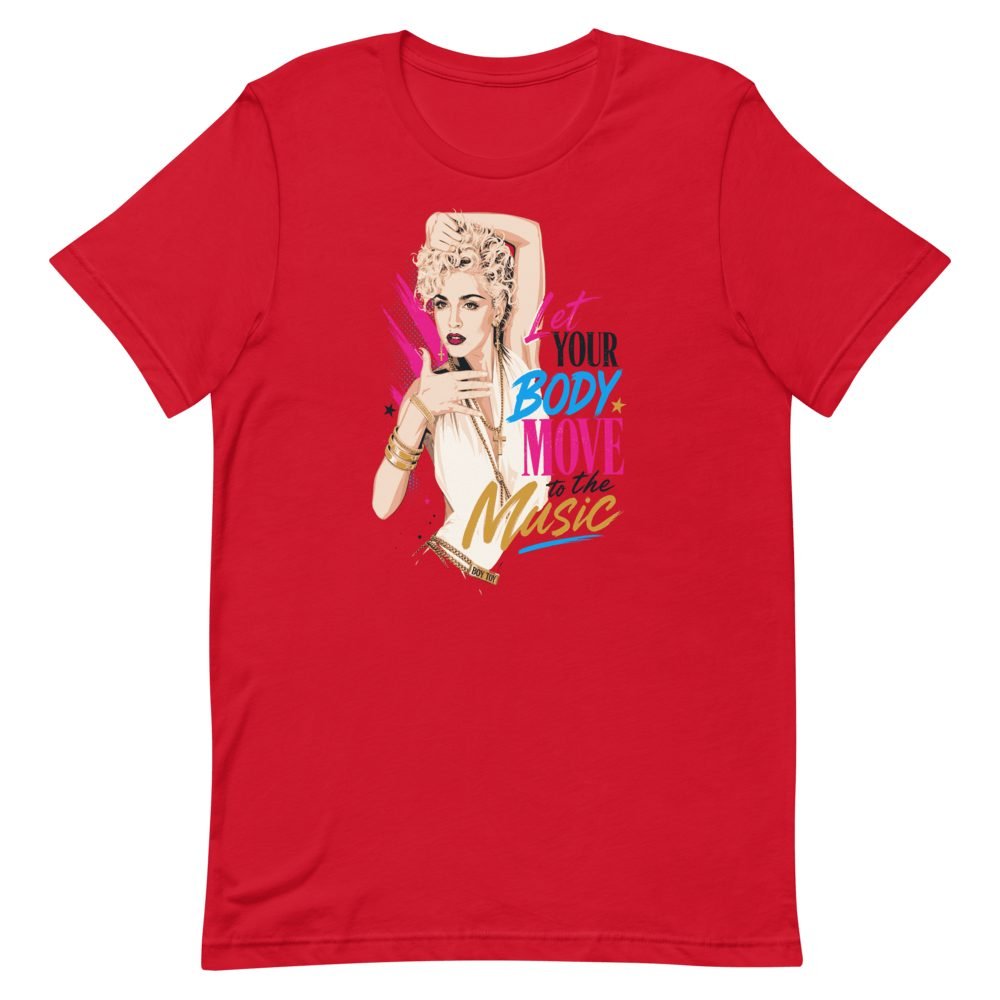
From the shop
Madonna Let Your Body Move 80s Pop Art T-Shirt
Price range: $24.99 through $26.99
Shop this designFinal thoughts: we read the back of the box
The cleanest way to describe 90s food, for the people who were feeding themselves at the time, is that it was the first decade of eating by the numbers. The label arrived, the pyramid arrived, and an entire generation of adults who’d been raised on whatever was in the cupboard suddenly had rules. We followed them more carefully than anyone gives us credit for. Some of the rules were wrong. We followed those carefully too.
It’s easy to laugh at the fat-free cookie, and we do. But there’s something a little admirable in it, too: people in their twenties, standing in an aisle, reading a table of numbers on the back of a box and trying to do the right thing. That’s not a snack memory. It’s a habit, and most of us never lost it. Next time you’re in a store, watch your own hands. You’ll turn the box over. You’ll check the fat line first.
The kids got the snacks. We got the fine print. Fair trade, honestly. If you want the decade from a broader angle, our take on 90s nostalgia is the place to start, and 90s Christmas covers the one week a year nobody read a label.
Before you go
You made it to the end. Respect.
Get the best of these in one short weekly email, plus whatever we just printed. No spam. We were raised better than that. Mostly.