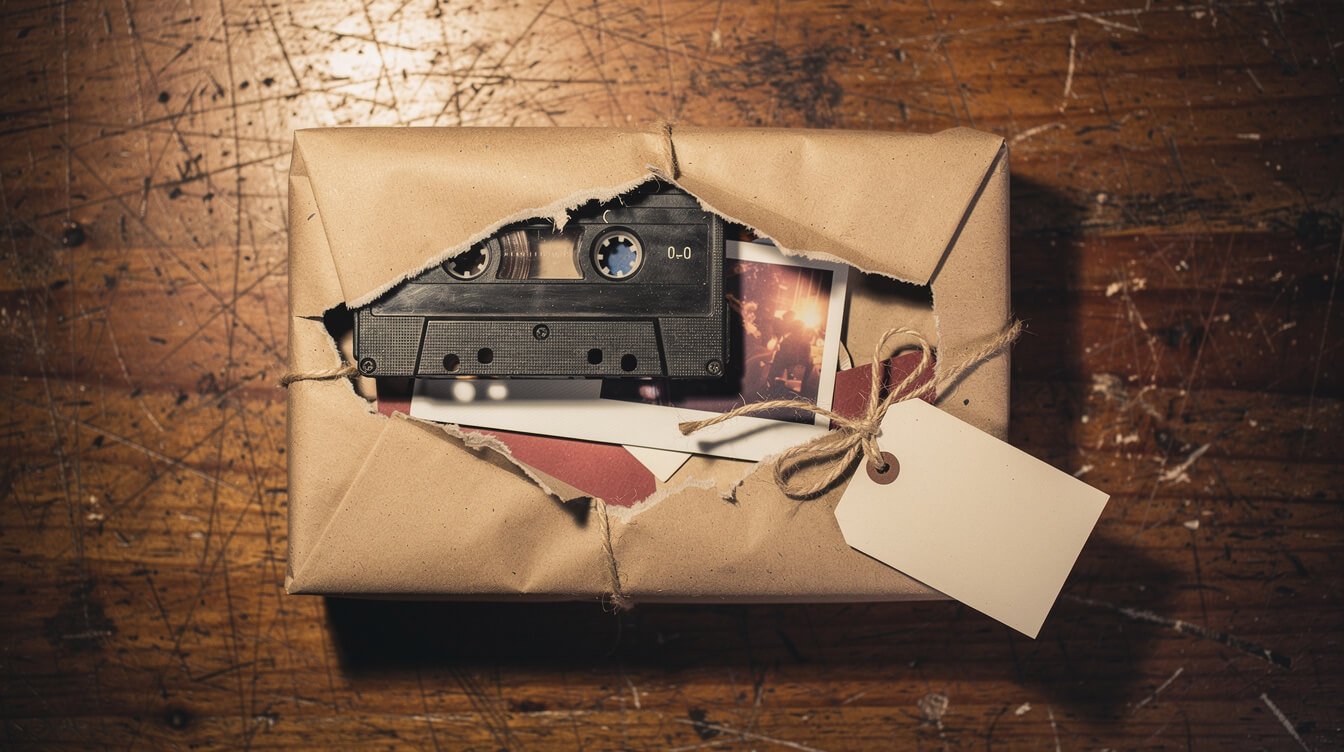
Here’s a real thread that ranks on page one for mixtape lover gift: someone, too young to have lived it, asking the internet whether “gifting your crush a cassette tape” was an actual thing people did, or a detail they’d absorbed from a movie and mistaken for a memory. The replies are Gen-Xers, unprompted, vouching for it like character witnesses. That thread is the whole search category in miniature — a lot of people trying to buy for someone whose formative object they’ve only ever seen in a museum case, guessing at the rules because nobody wrote them down.
You don’t need the rules explained to you if you made one. You need them explained if you’re buying for someone who did, and you weren’t there. That’s who this is for.
The good news is the confusion is fixable, and it’s fixable without turning you into an expert on a format you never owned. You don’t need to know what a specific tape brand or bias setting was, or why some people had strong opinions about chrome tape versus normal tape. You need to understand what the object was actually for, because every product on the market right now is either built around that understanding or built around the shape of the word “mixtape” with nothing underneath it. This guide is the fast version of the first kind of knowledge — enough to shop like you were there, even if you weren’t.
The mixtape lover gift search is confusing everyone, including Reddit
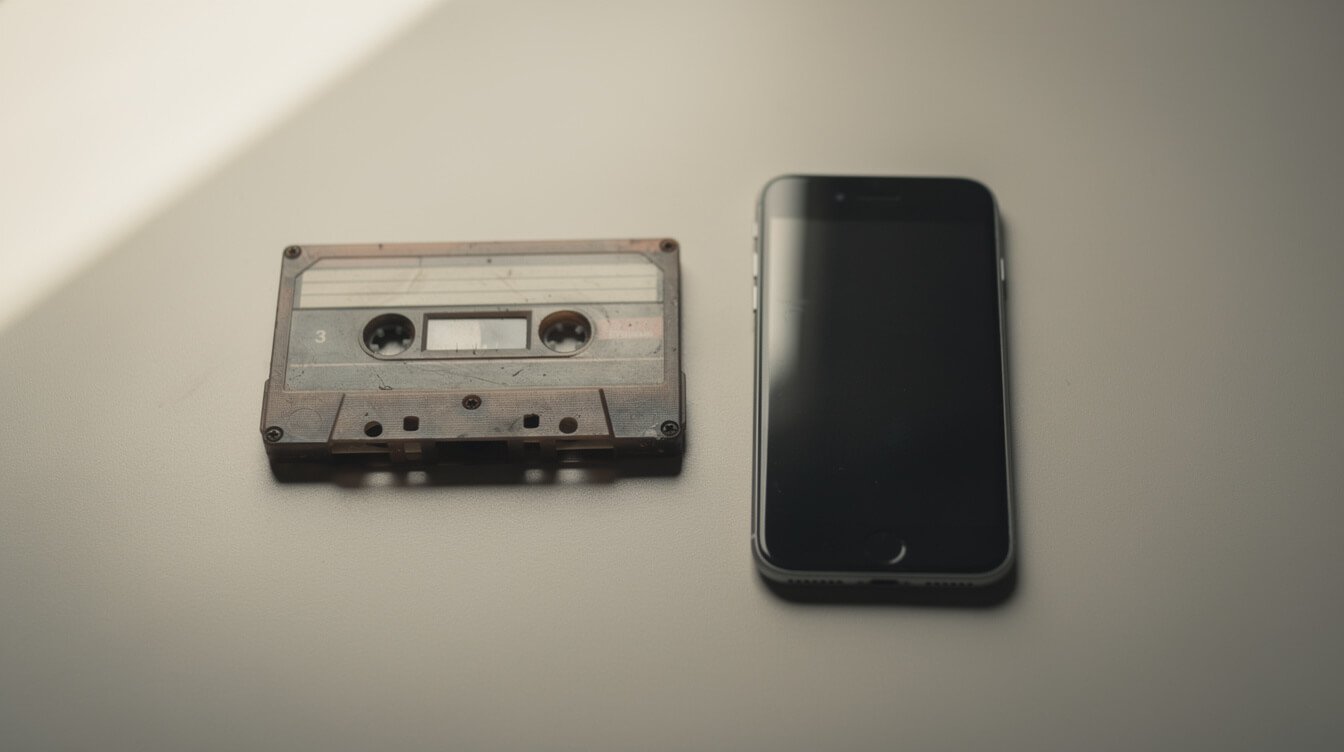
Search the phrase and the results split into two piles that don’t talk to each other. Pile one: product grids — cassette-shaped keychains, notebooks printed with a tape graphic, novelty magnets, a “mixtape” candle. Pile two: people, mostly younger, genuinely unsure what a mixtape was for. One Instagram result captioned “the perfect mixtape gift” shows a stack of CDs. Not a small error — CDs and cassettes were different formats, different eras, different amounts of effort, and conflating them is the tell that nobody fact-checked the vibe.
The product grids aren’t wrong so much as they’re answering a question nobody asked. They treat “mixtape” as a decade-appropriate skin you can print on any object — a keychain, a tote, a phone case — the same way “farmhouse” got printed on everything for a few years regardless of whether a farm was involved. None of it requires having made one, sat with one, or understood why a person would spend ninety minutes of a Tuesday night on a gift that cost less than a movie ticket. A mixtape lover gift that gets the object right but the ritual wrong is still a miss — it just looks more convincing on a product page.
This particular confusion has a specific shape, and it’s worth naming because it changes how you should shop: most people searching this phrase are not Gen-X themselves. They’re a partner, a kid, a coworker, or a friend from a later generation, trying to get something right for someone whose formative object they never owned. That’s not a bad position to shop from — it just means the usual trick of “buy what you’d want” doesn’t apply here. You’re translating a ritual you didn’t grow up with, which is exactly why the generic listings, built for nobody’s specific memory, keep winning the search results instead of the thing that would actually work.
What a mixtape actually cost the person who made it (never money)
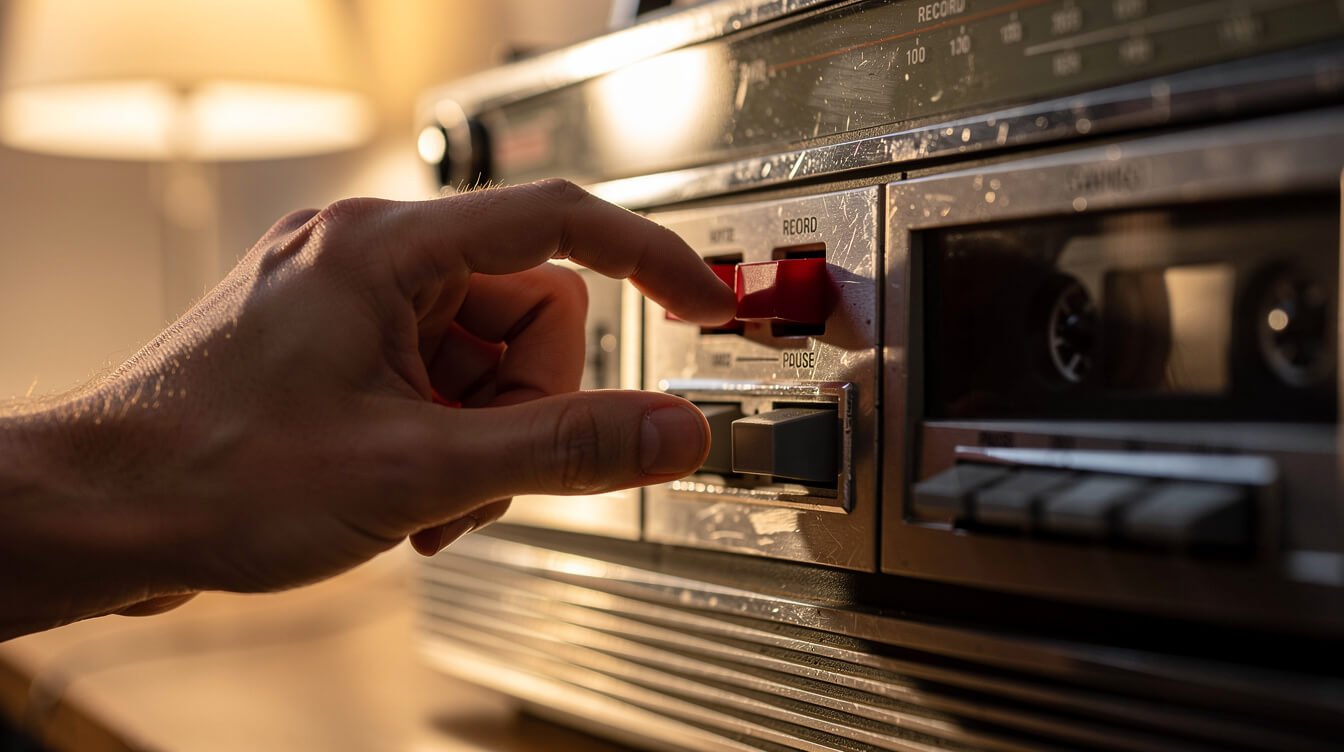
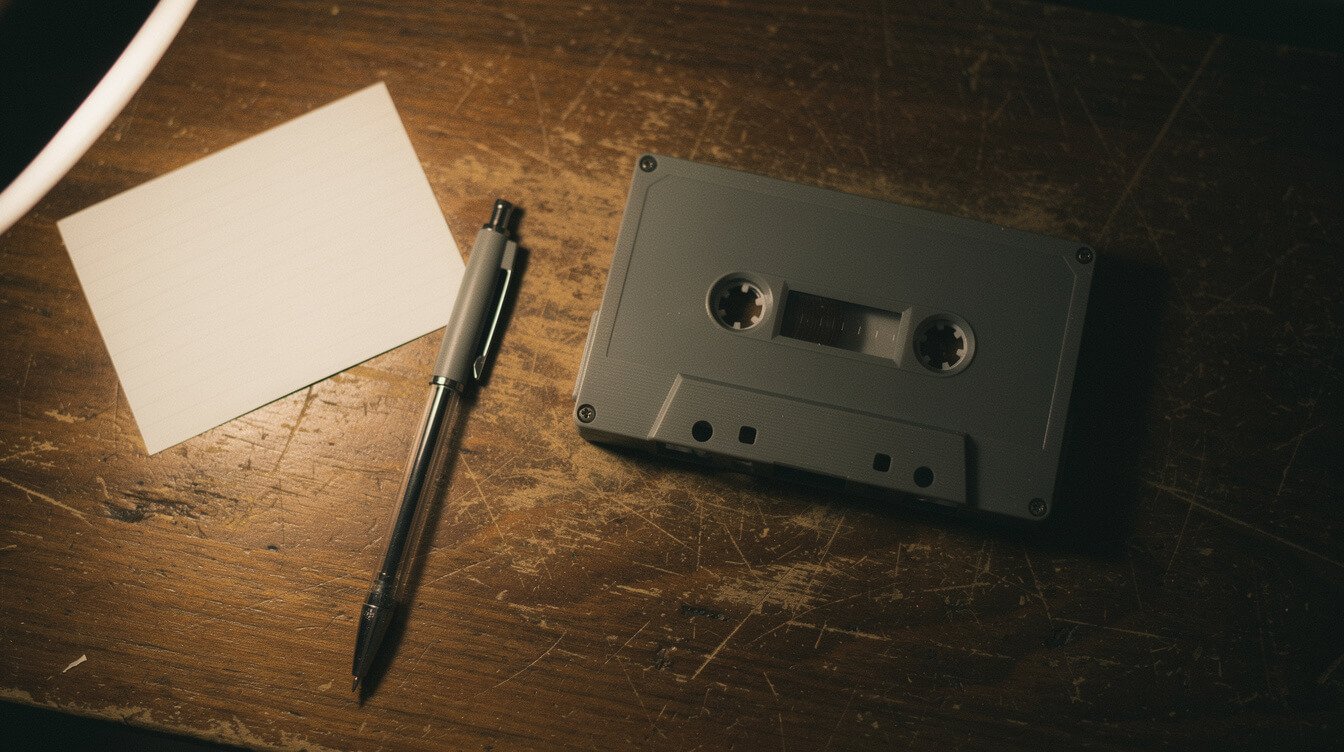
A blank tape ran a few dollars. That was never the expense. The real cost was time, spent in a specific and slightly absurd way: sitting by a radio or a dual-deck stereo, finger over record and pause, waiting for a song to start clean, timing the button press against a DJ’s intro so you didn’t clip the first two words. Messing it up meant starting the side over, because rewinding to “just the bad part” wasn’t really a thing you could do with any precision. A ninety-minute tape could plausibly eat an entire evening.
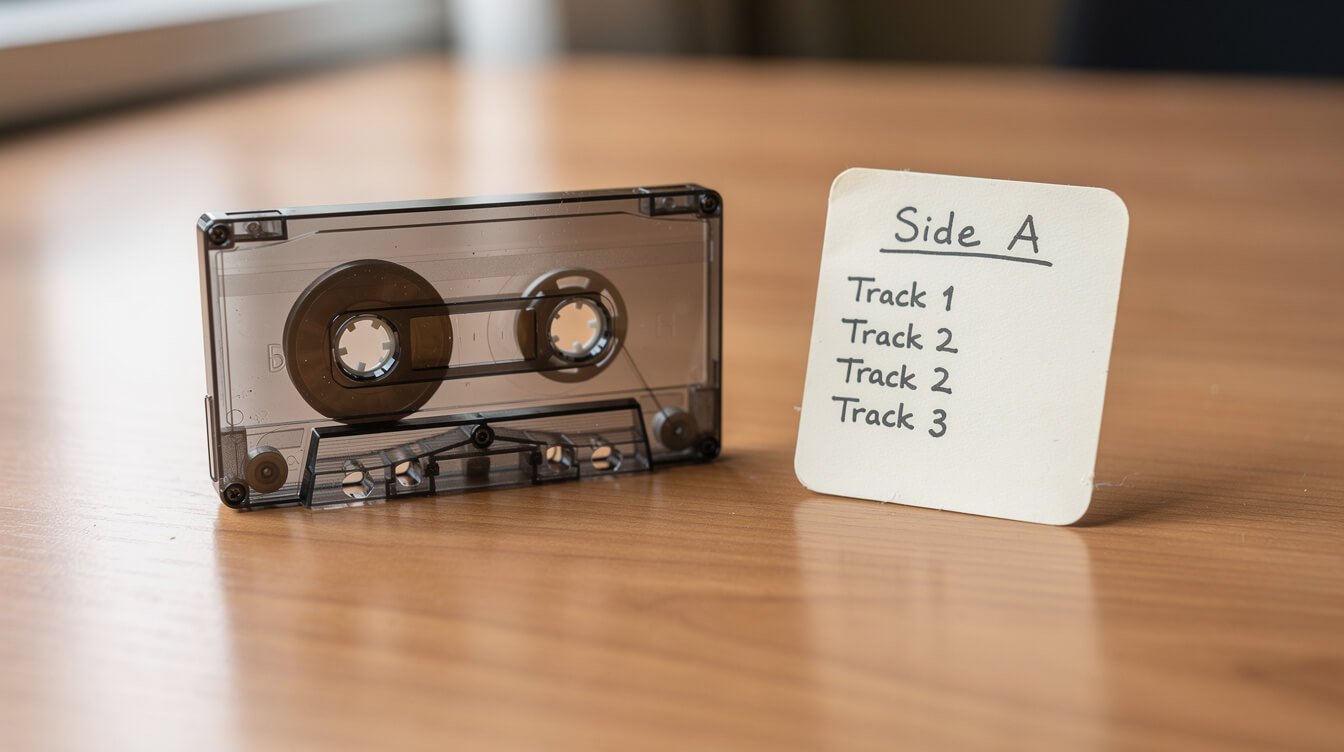
Then came sequencing, which was the actual craft. Side A had to open strong and land somewhere before the flip. Side B had to answer it. A song that felt perfect in isolation could get cut for pacing, the way a good editor cuts a scene they personally love because it slows the movie down. Nobody was grading this. There was no audience except the one person the tape was for. That’s the detail that makes “expensive” gifts feel thin by comparison — a mixtape was a couple dollars of plastic wrapped around several irreplaceable hours nobody else could see, spent entirely on getting one specific person’s reaction right.
There’s also the part nobody mentions because it’s slightly embarrassing in hindsight: the anxiety. Timing a recording off the radio meant gambling on a DJ not talking over the intro, praying the phone didn’t ring mid-song, occasionally starting an entire side over because the second track came in a half-beat wrong. None of that risk exists now. A playlist takes four minutes and can be rearranged infinitely with no cost. That’s not a knock on playlists — it’s the reason a mixtape read as effort in a way a playlist structurally can’t, and it’s worth knowing that going in, so you’re not surprised when “I made you a Spotify playlist” doesn’t land with quite the same weight as the object it’s replacing.
The unwritten rules that turned 90 minutes of tape into a love letter
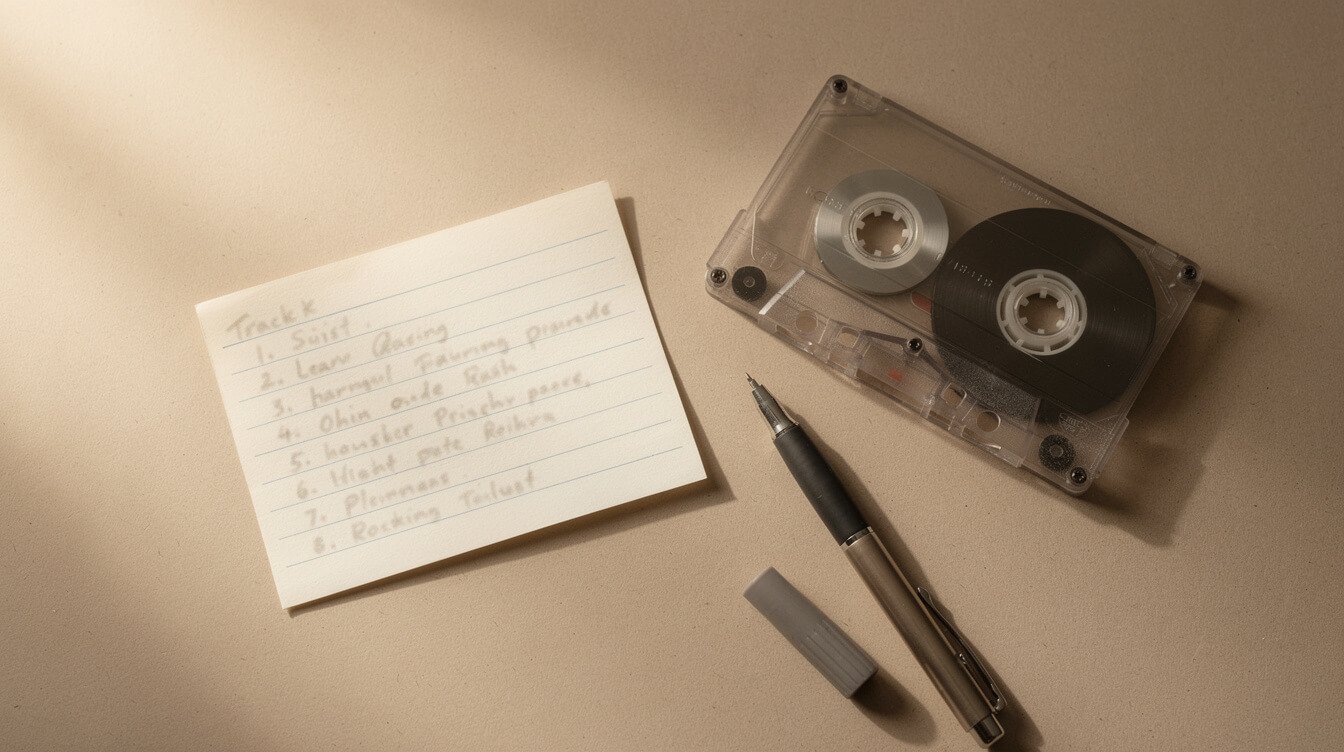
Nobody printed a manual, but everyone who made tapes was working from the same unspoken code, and a good mixtape lover gift today has to at least gesture at knowing it existed.
- The track order was the message. Song two was never an accident — it was the “and here’s what I actually mean” follow-up to song one.
- You didn’t put your favorite song first. First was for hooking them. Yours went in the middle, where it could be found rather than announced.
- A song you didn’t personally love could still make the cut if it fit the arc — sequencing beat personal taste, every time.
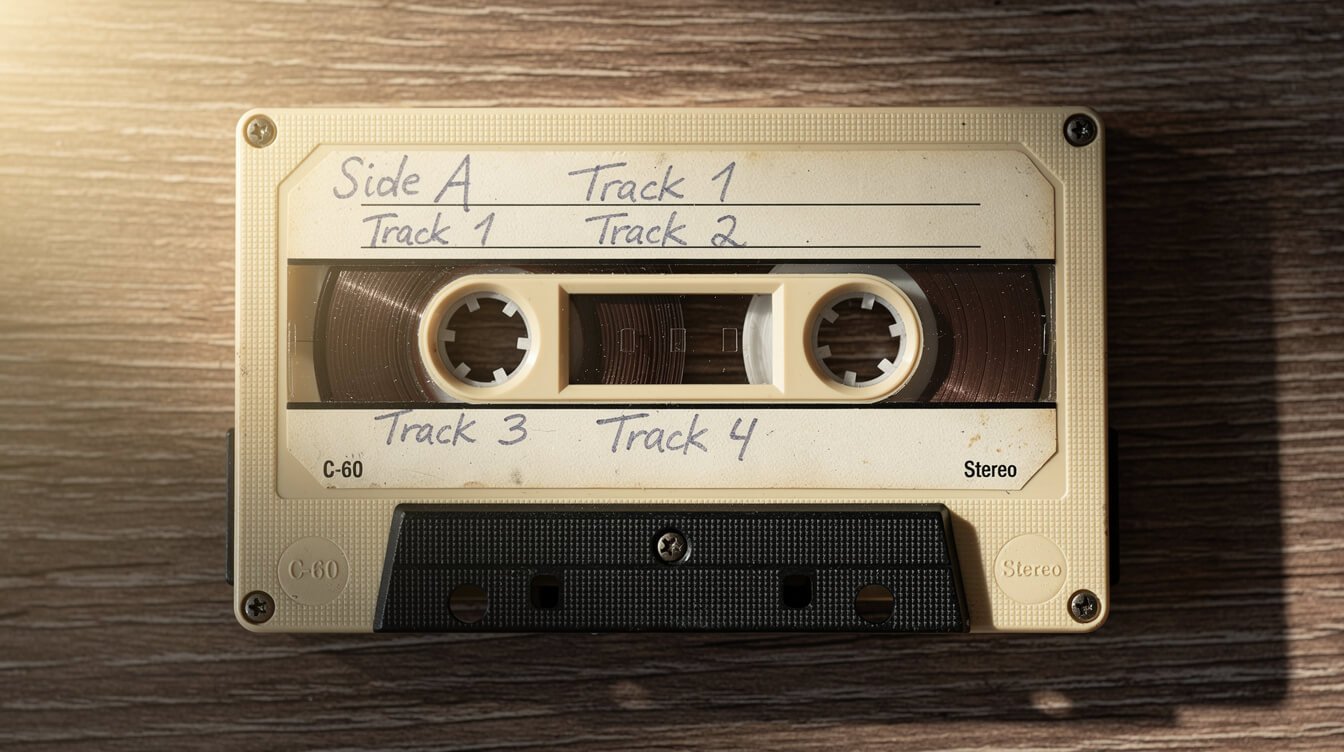
- The title on the label mattered more than it should have. A good one was cryptic on purpose — you weren’t supposed to get it until track four.
- You never asked if they liked it. You waited to see if they wore out the tape, which was the only honest metric.
None of that shows up in a listing for a “mixtape-themed” candle. It shows up in the shape of a gift that treats the format as a discipline instead of a texture — something with actual sequencing logic, not just a cassette silhouette stamped on the front.
Here’s why the rules matter for a buyer, specifically: they’re the difference between a gift that references the object and one that respects the work. Anyone can put a cassette on a mug. Understanding that the order of the songs was the actual message — that the maker was, in a real sense, writing a short essay using only other people’s choruses — is what separates a gift that gets a knowing laugh from one that gets a polite “aw, cute.” The first reaction is the one you’re after.
Reading the room: a crush tape, a best-friend tape, and a breakup tape aren’t the same mixtape lover gift
This is where most gift guides flatten a category that was never one thing. A crush tape ran cautious on the front — nothing too on-the-nose in the first three tracks, in case it ended up in the wrong hands or got played in front of someone else. A best-friend tape could be reckless, in-joke-heavy, full of songs that meant nothing to anyone but the two of you and everything because of that. A breakup tape — the hardest one to make and, honestly, sometimes the best one — existed to say something the maker couldn’t say out loud, in an order that made the argument for them.
Buying for someone now, decades later, the useful question isn’t “what’s a nostalgic gift” — it’s “which of those three relationships is this.” A gift built for the crush-tape register (a little coy, a little held-back) reads completely differently than one built for the best-friend register (loud, specific, in on the joke). Get that wrong and the gift is technically on-theme and still off. If you’re shopping generically, GenerationX’s shop leans toward the best-friend register on purpose — designs built for the person who’ll actually get the reference, not the one you’re still trying to impress.
There’s a fourth register worth naming, because it’s the one gift guides never account for: the just-because tape, made for a parent, a sibling, or a friend with no romantic or dramatic charge attached at all — just “I was thinking about you and this song came on.” It’s the lowest-stakes version and often the most durable one, because it doesn’t have to carry the weight of a relationship’s entire subtext. If you’re buying for someone in this register, resist the urge to make it clever. The gift that says “I thought of you, specifically, for no reason” is doing enough work on its own.
The cassette-shaped trap: what to skip, and what actually lands
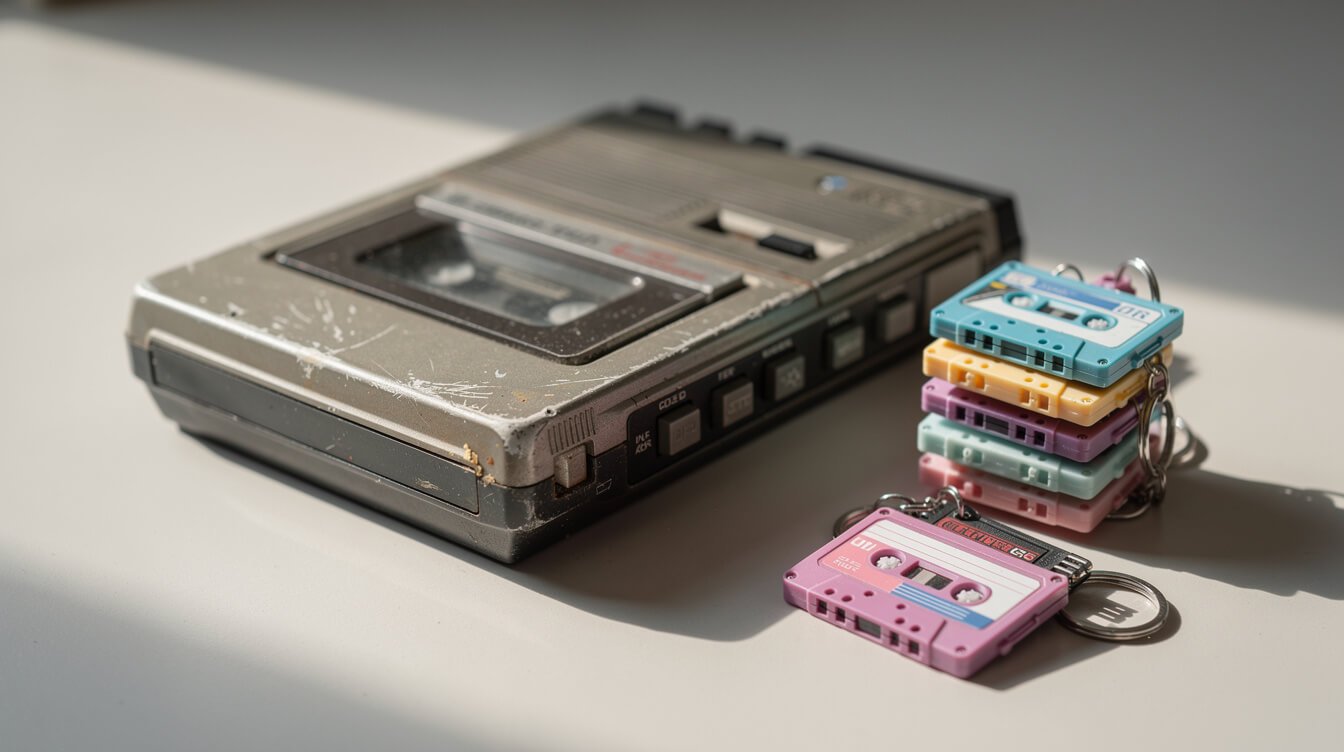
The generic version of this gift is a real, recognizable object with the memory sanded off it. Skip anything where “mixtape” is only doing decorative work:
- A cassette-shaped anything (keychain, magnet, phone grip) that references the object but not the act of making one
- A “curated retro playlist” a brand made for a general audience — the entire point was that a specific person made it for another specific person
- Novelty items that get the era’s details wrong (a CD standing in for a cassette, a portable cassette player with headphones from the wrong decade)
- Anything that requires the recipient to explain the reference to whoever’s in the room — that’s the opposite of the joke landing
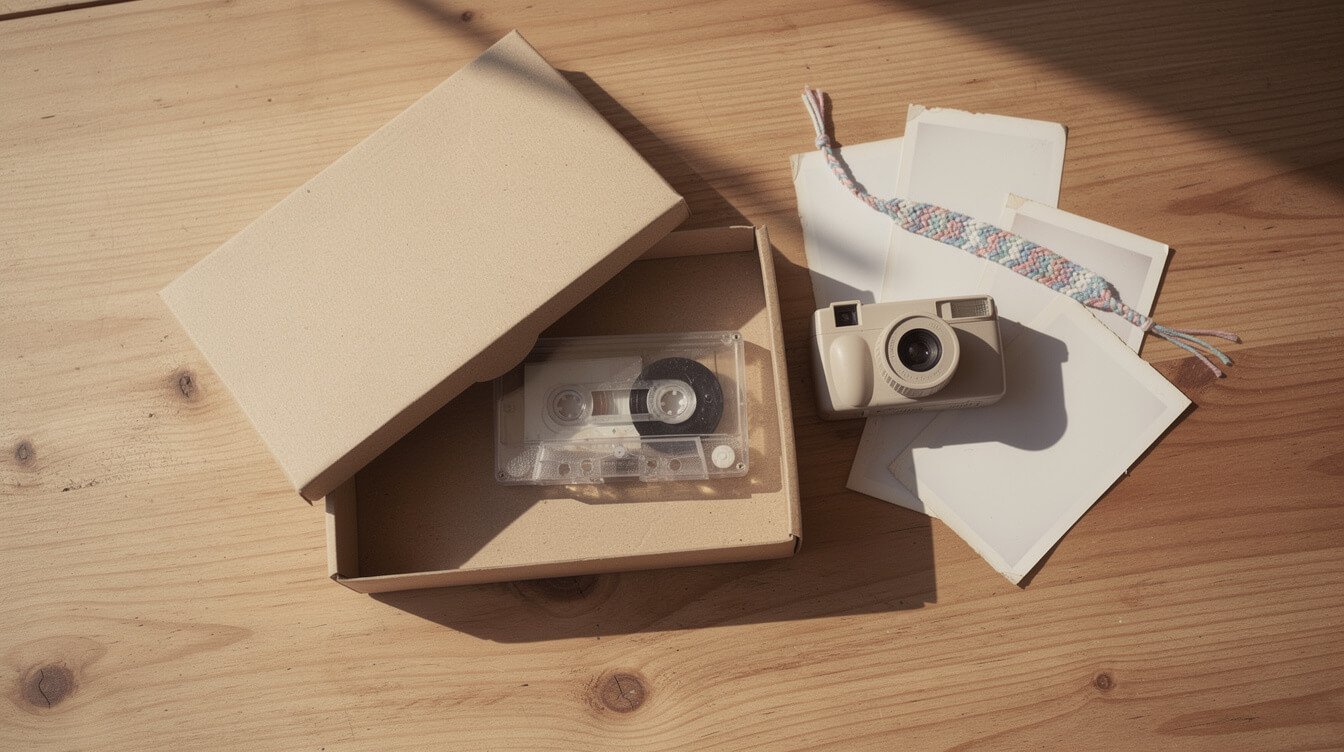
What actually lands leans into the two things a mixtape always was: a physical object and an act of specific attention. A real, functioning cassette player if they’ve been saying they miss one. A blank-tape-and-liner-notes kit, if they’d genuinely make one again given the excuse. Apparel or a print that gets a period-accurate detail exactly right — the shape of a specific deck, the two-tone label design, the actual mechanics of dubbing — rather than a soft-focus “throwback” illustration that could be any decade. The rule of thumb: if it requires you to have understood the ritual to pick it, it’s probably right. If it only requires you to have typed “80s gift” into a search bar, it’s probably the trap.
One more distinction worth making, because it trips people up: a gift can reference the era without claiming to be from it, and that’s fine — a new print or a new object made in 2026 doesn’t need to pretend it’s a genuine 1987 artifact to work. What it can’t do is get the mechanics wrong while claiming accuracy, or borrow the imagery of a specific band, album, or logo it has no right to use. The safest and, honestly, the best gifts in this category are the ones built around the ritual itself — the act of choosing, sequencing, and handing something over — rather than around any one artist’s back catalog.
Quick answers for the mixtape lover gift buyer who wasn’t there
Do I need to make them an actual mixtape myself?
It’s the single best version of this gift if you have the patience for it — a modern playlist with the same sequencing rules (strong opener, your favorite buried in the middle, an ending that lands) genuinely counts. The format matters less than whether you thought about the order on purpose.
Is a “mixtape” tin of candy or a cassette-shaped notebook a bad gift?
Not bad — just smaller than it looks. Fine as an add-on to something with more substance, weak as the entire gift, because it references the shape of the memory without the effort inside it.
What if I don’t know their music taste well enough to guess?
Ask one direct question: “what’s a song you’d have put on a tape for someone in 1988?” You’ll get a real, specific answer, and it will tell you more than an hour of guessing.
Are there IP or licensing issues with printing song titles or artist names on a gift?
Generally yes if it’s a commercial product bearing a specific song, artist, or label — that’s a licensing question, not a nostalgia one. The safer, better move is referencing the ritual and the format, not a specific track or band.
Does the gift have to be handmade to feel personal?
No — a mass-produced item that gets one specific, correct detail right (the cassette shape, the dubbing mechanics, the exact era) can land harder than a handmade item that’s vague about all three. Precision beats effort, most of the time.
What’s a reasonable budget for this kind of gift?
The format itself was cheap, so there’s no reason the gift needs to be expensive to feel right — a well-chosen, well-made object in the twenty-to-forty-dollar range will usually beat something pricier that misses the reference. Spend the effort on getting the detail right, not on the price tag.
The best mixtape lover gift is attention with a tracklist
Every version of this gift that actually works is doing the same thing the original object did: proving somebody thought about the order things went in, on purpose, for one specific person. That’s a lower bar than “expensive” and a higher bar than “on theme” — which is exactly why the product grids keep missing it. They can sell you the cassette shape. They can’t sell you the ninety minutes of deciding what came second.
That’s also the good news for anyone reading this the night before a birthday, with a browser tab full of cassette-shaped novelties and a rising sense that none of them are quite right. You were correct to feel that. The fix isn’t a better search query — it’s picking the one object in the pile that respects the actual work a mixtape used to represent, and skipping the nine that only represent its outline.
If the person you’re buying for would rather make the tape themselves than receive one, here’s the full ritual, rules included — hand them that instead and let them do the part that was always the actual gift.
Get the reference right, on purpose
No rented mascots, no explaining the joke. Just the detail done exactly right, for the person who’ll actually catch it.
For the mall-adjacent side of this whole ritual — where the blank tapes and the dubbing decks actually got bought — there’s more on that in the last place nobody was watching us.
One good email, no throwback feels
New designs and the occasional true story from the desk. No hashtags, no confetti emoji, we promise.