Here’s the pattern if you’ve ever bought a gen x birthday gift that didn’t land, even though it wasn’t a bad gift: you found a guide, and the guide worked exactly as designed. It surfaced a plausible object in a relevant category at a reasonable price, wrapped in a paragraph about “the unique blend of analog and digital.” That’s the whole problem. This is the most advertised-to generation that has ever existed — raised on Saturday-morning commercial breaks, jingles that still run in the back of the skull forty years later, the mall as a full-time unpaid education in being sold to — and they can feel a recommendation the second it’s sourced instead of chosen. It doesn’t read as thoughtful. It reads as competent, which is a different thing entirely, and they know the difference on contact, usually before they’ve finished unwrapping it.
So before you open another tab with a numbered list in it, it’s worth asking why the lists keep missing, and what actually shows up when you stop asking a search engine what a Gen-Xer wants and start asking a Gen-Xer.
Why the generic gen x birthday gift list always misses

Pull up any gift guide aimed at this age bracket and you’ll find the same ten categories rotating in a different order: retro tech gadgets, a nice speaker, a smart-home gizmo, an “experience,” something personalized with a name engraved on it, a wellness gift, a subscription box, a gourmet snack basket, a DIY kit, a phone accessory. Read that list again, slower. Every single item on it would also work for a thirtieth birthday, a retirement party, a coworker’s last day, or a wedding shower. None of it required knowing that the person turning fifty-two was born, not “in the 70s and 80s” as the intro paragraph always puts it, but specifically in the fall of 1974 — three years before the record store on the corner became a video store, two years before the block finally got cable.
That’s the tell. A guide built for “Generation X” as a demographic bracket is a guide built for nobody in particular, wearing a costume that says it’s built for someone specific. The category name does the work the content doesn’t: it borrows the specificity of an era without spending any of it. You can tell, reading one, that a person wrote the intro paragraph about analog-to-digital childhoods and then handed the actual picks off to a spreadsheet sorted by margin. The picks aren’t wrong, exactly. A nice pair of headphones is a nice pair of headphones. They’re just interchangeable, and interchangeable is the one quality this particular shopper is trained, almost against their will, to detect from across a room.
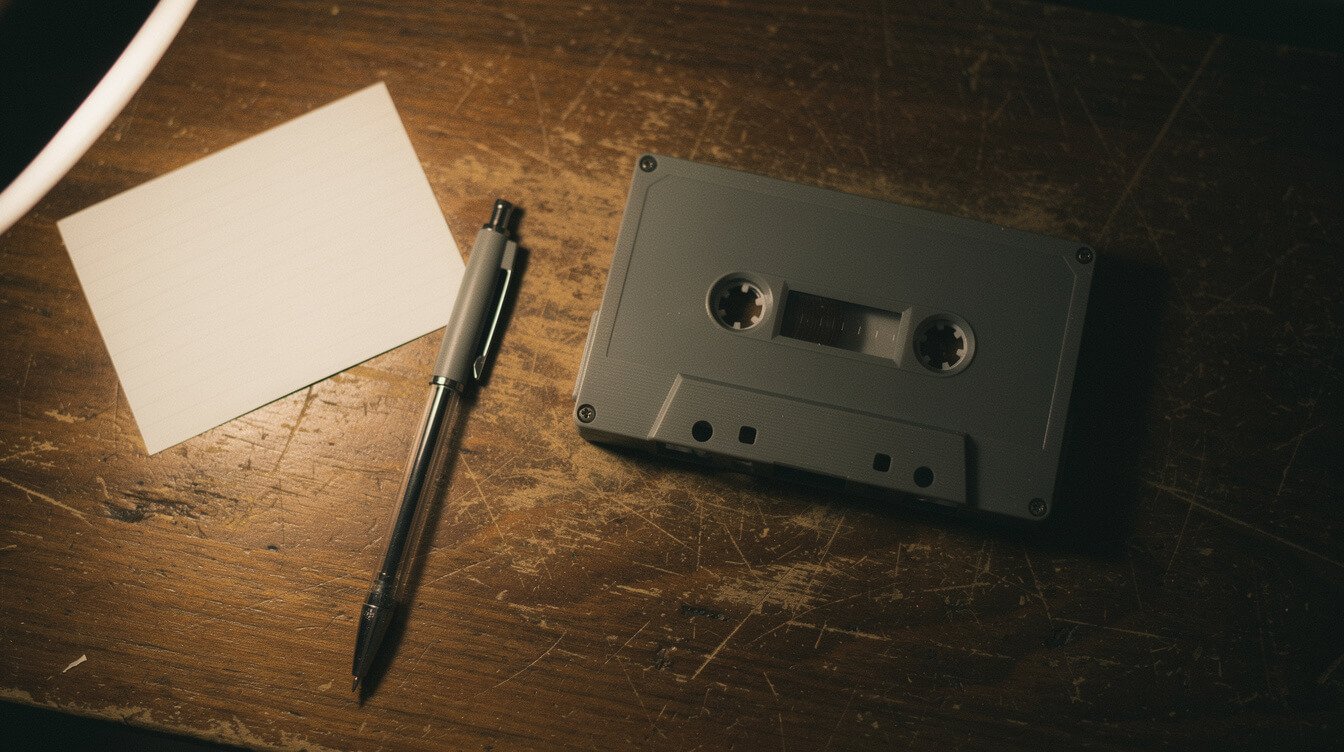
The tell shows up fastest in the language. “Perfect for the Gen-Xer in your life” is a sentence that could be finished with literally any noun and nobody would notice the swap. Compare that to something that could only be said about one specific person: not “they’ll love this nostalgic item” but “they still talk about the year the tape deck ate their favorite dub.” One of those sentences required a search query. The other required knowing someone.
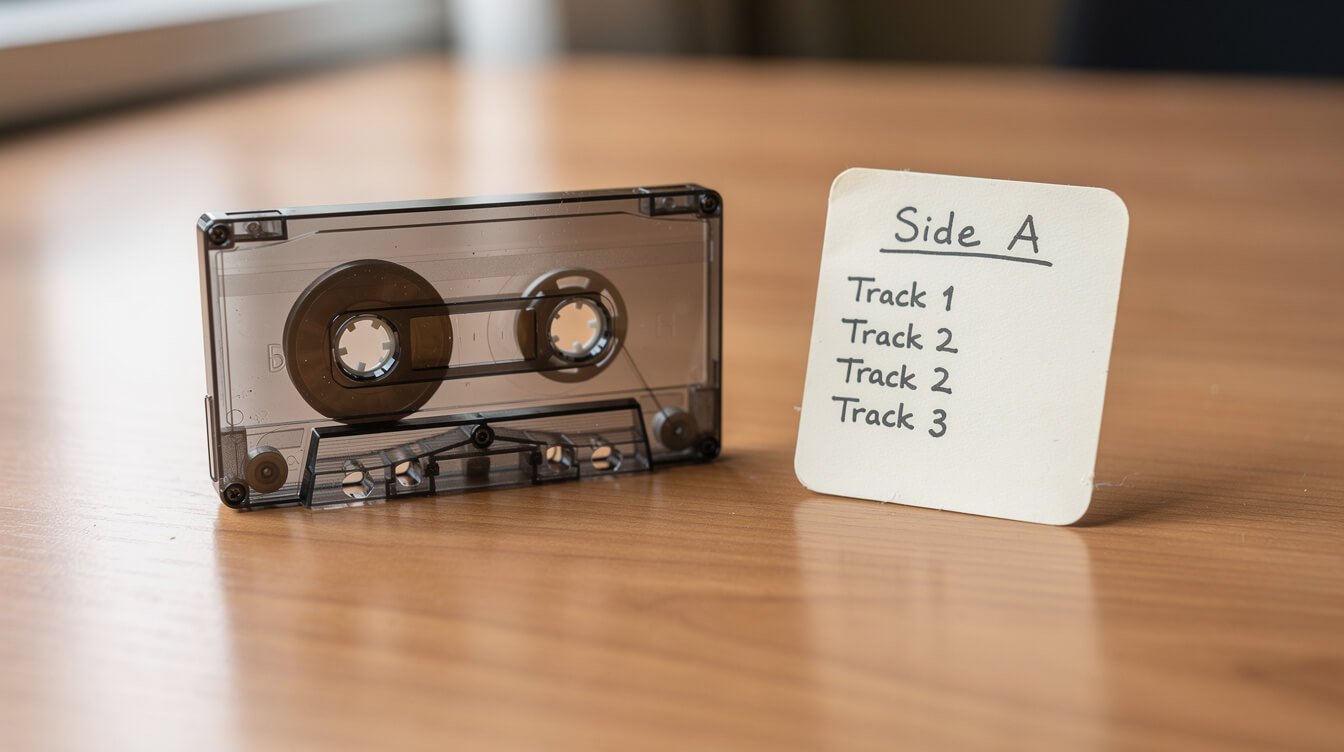
Run the same test on two people at once and it gets obvious fast. Give your neighbor and your sibling the identical item off the identical list — the same retro-styled speaker, say — and both gifts are, functionally, the same gift wearing two different wrapping papers. Nothing about either one required your neighbor to be your neighbor or your sibling to be your sibling. Now imagine handing your sibling something that only makes sense because of the specific fight you had over the last blank tape in the house in 1988. That gift breaks the moment you try to hand it to anyone else. That’s not a coincidence — that’s the actual definition of a gift that’s working.
What Gen-Xers actually said, when somebody finally asked

Underneath the listicles, one slot down on the same search results page, there’s a thread where actual Gen-Xers were asked the actual question: what do you get us? No product photography, no affiliate links, no sponsor — just a room full of the demographic the guides claim to understand, answering in real time, mostly to each other.
Nobody said gadget. Nobody said subscription box. The answers clustered around one idea, phrased a dozen different ways: a night out somewhere good, a class you’d never sign yourself up for on your own, a hike with someone who’d actually go, a short trip, a bottle of the thing you actually drink instead of the thing that photographs well in a gift basket. Not objects. Time, spent on purpose, with them specifically in the room, planned by someone other than themselves for once.
The top-voted answer in that thread wasn’t a product at all. It was an evening — dinner, a show, something you’d have to actually plan instead of add to a cart.
That’s not a sentimental finding, and it’s worth resisting the urge to read it as one. It’s a practical, almost mechanical finding about who does the planning in most households by this age. This generation did an unusual amount of its childhood unsupervised — the empty house after the three-fifteen bell, the door key on a shoelace under the shirt, dinner figured out solo more nights than not, whole afternoons with no adult checking in — which means “somebody else planned around me” was never the background condition of growing up the way it might be for people raised with more structure. As an adult, that specific gesture — someone else doing the logistics, on your behalf, without being asked — still reads as rare, mostly because it still is.
Raised on advertising, immune to advertising
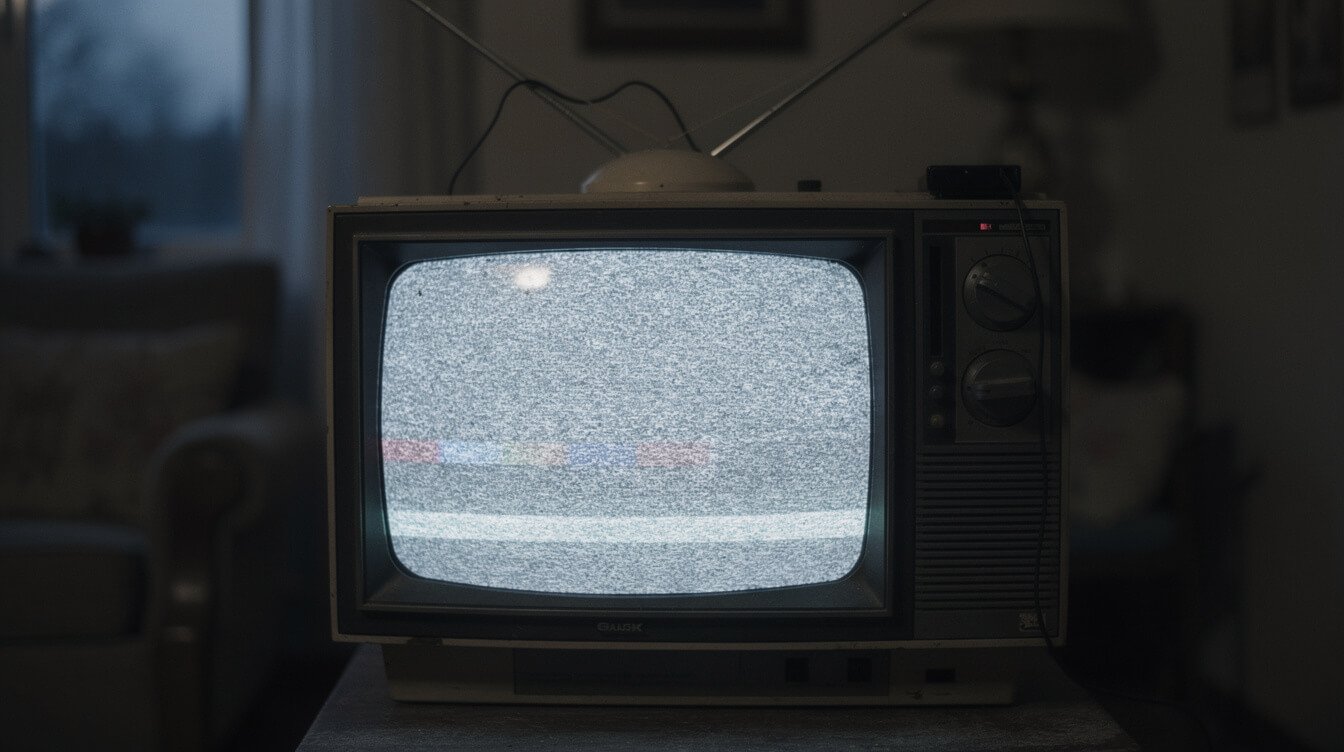
It’s worth sitting with why the ad-literacy angle matters here specifically, because it isn’t a vague generational vibe — it’s a functional skill this group actually has, built the hard way, that most other cohorts simply never had to develop. Four channels, no algorithm curating anything toward you personally, commercials that ran in full every eleven minutes whether you wanted them or not, the same twelve jingles on rotation for years at a stretch. You didn’t opt into that advertising; you absorbed it by osmosis, sitting three feet from a television with rabbit-ear antennae, which means you also absorbed, without meaning to and without anyone teaching you, roughly how the sausage got made. By the time this generation was old enough to buy things for itself, it had already sat through the better part of a decade of unskippable persuasion and built the mental equivalent of a callus — a reflex that fires the instant something is trying a little too hard.
That callus is precisely what a numbered gift list runs straight into. The list format itself is an ad format — rank, relevance, “trending now,” a countdown structure borrowed straight from late-night infomercials — and it fires the same recognition circuit a jingle used to. You cannot out-market a person whose entire childhood functioned as unpaid market research. You can only stop marketing at them, which is a different move entirely, and a much harder one, because it requires actually knowing something true about the specific person rather than the bracket they happen to belong to.
If you’re still building the list in your head instead of thinking about the person, it might help to see what actually gets made for this crowd when someone skips the bracket entirely and designs for the specific joke instead — the kind of thing you’d only recognize if you were there, which is the whole point of it. That’s the instinct behind everything in the GenerationX shop: no rented mascots, no “inspired by the 80s” hedge printed in the product description, just the reference done exactly right and left for you to spot on your own, with no footnote explaining it.
The gen x birthday gift they already bought themselves
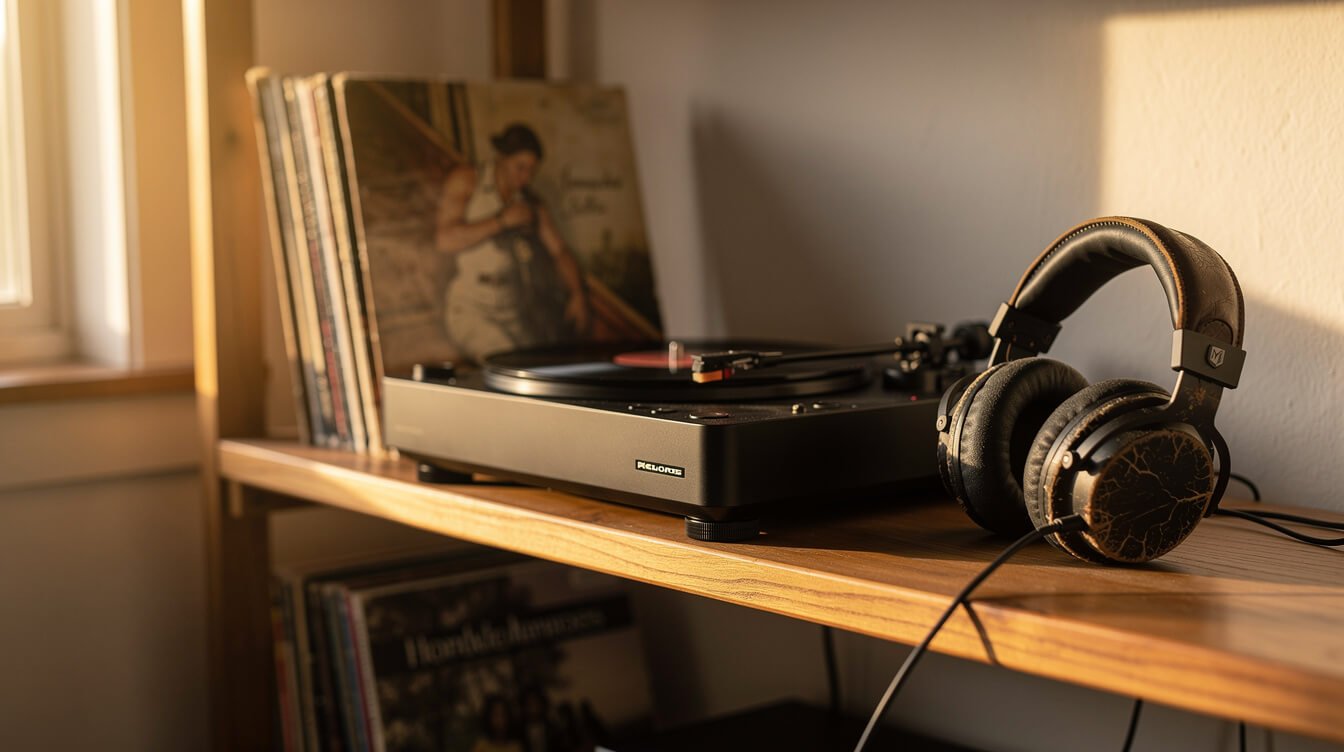
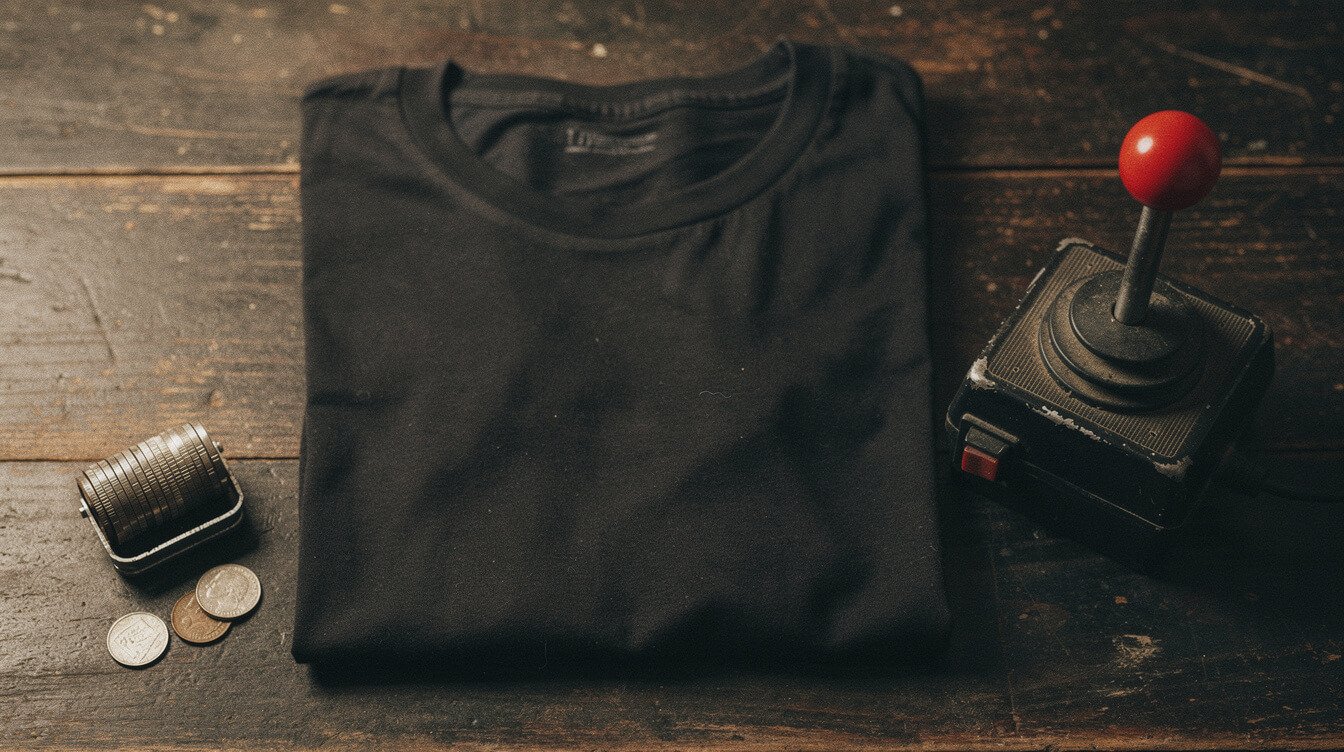
Here’s the detail every guide misses, because it’s inconvenient for the format: by fifty, most people in this bracket have already bought themselves the object. The turntable. The reissued console. The good headphones. The right sneakers, the second time around. Gen X came into disposable income during the exact stretch when everything from their childhood got remade, remastered, and resold to them directly, on purpose, by companies who did the math — they’ve effectively been the target market for their own nostalgia for two solid decades running. Handing them a second copy of something they quietly already own, and maybe already upgraded once, isn’t a discovery. It’s a duplicate with a bow on it.
What they haven’t bought themselves, because you generally can’t buy it for yourself, is anything that requires someone else to have noticed. A gift that could only have come from someone who actually knows which five years were theirs — not “the 80s” as a genre, but 1984 specifically, the year the tape got eaten by the deck for the third and final time and nobody ever replaced it. That kind of precision doesn’t show up in a catalog search filtered by “nostalgic” and sorted by price. It shows up only when the giver did the work themselves, instead of outsourcing the thinking to an algorithm that has never met either of you.
Getting the reference exactly right, on purpose, without a footnote, is the entire design philosophy behind what GenerationX actually makes — built for the two-second recognition, not the “let me explain this shirt” conversation that kills the joke stone dead on arrival.
There’s a quieter version of this problem, too: the person who buys nothing because they’ve talked themselves into believing there’s nothing left to buy. That’s usually a failure of imagination, not of budget. It’s rarely true that someone owns every version of the thing they love — it’s true that someone owns every version a catalog search would surface. The gap between those two statements is exactly where a good, specific gift lives.
The milestone birthday and the “over the hill” trap
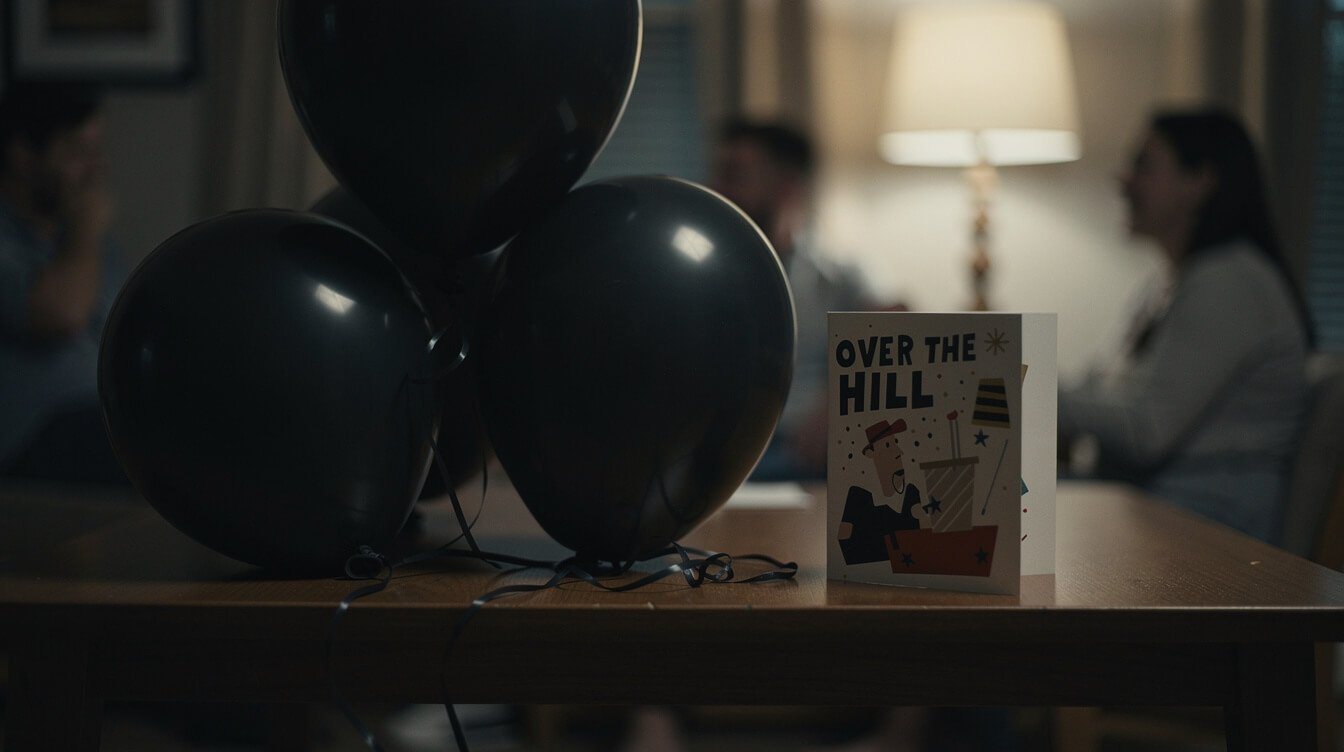
Right now, Gen X is moving through the exact stretch — fifty, fifty-five, sixty — where gift culture defaults to a joke that was already tired before this generation was even the target of it: black balloons, “over the hill” signage on the lawn, a card about fiber and reading glasses. It’s the one moment a birthday gift is culturally permitted to be about the number instead of the person, and it is precisely the worst moment to make that trade, because a milestone is exactly when someone is most alert to whether they’re being seen as an individual or processed as a punchline that happens to be true of an entire age bracket.
The generic “getting old” gag isn’t offensive so much as it’s lazy in a very specific, detectable way — it requires zero knowledge of the actual human turning that age, which is the opposite of what a milestone is supposed to mark in the first place. If the joke would land identically on a stranger turning the same number, it isn’t a gift, it’s a form letter with balloons stapled to it. The fix isn’t avoiding humor, and it definitely isn’t going fully sincere instead — sincerity without specificity has the exact same problem as the balloons, just quieter. The fix is aiming the joke at something true instead of something generic: the actual decade, the actual shared reference, the exact detail only someone who knows them would think to reach for.
A useful gut check: would this same gift, unchanged, work for anyone else turning the same number this year? If yes, it’s a bracket gift wearing a milestone costume. If the answer is genuinely no — if it only makes sense because of who they specifically are — that’s the one to buy.
Quick answers, if you’re already panic-buying

What years count as “Gen X” for gift purposes?
Roughly 1965 to 1980, though the useful range for gift-buying is narrower than the demographic range. The gift only really lands if you narrow further than the label — a person turning fifty-eight and a person turning forty-six grew up separated by a full stretch of pop culture, not one interchangeable “the 80s” blur, and treating them as interchangeable is the mistake in miniature.
Is an experience gift automatically better than an object?
Not automatically — the research above points at attention, not category. An impersonal spa gift card purchased in four clicks is still impersonal, whatever category it files under. A specific plan, built around something you actually know they’d do, beats both a random object and a random experience, because the planning is the part that’s visible.
What if I genuinely don’t know their exact era or references?
Ask one direct question instead of guessing: “what’s a show, a place, or a thing from around when you were a teenager that you still think about?” One honest answer, actually listened to, will out-perform an entire afternoon spent scrolling gift guides looking for a shortcut.
Is it safe to lean on nostalgia at all, or does that read as corny?
Nostalgia isn’t the problem — vague nostalgia is. “The 80s were great” is corny because it’s a sentence about a decade, not a person. The specific, correctly-remembered detail — the exact static pattern on a UHF channel, the exact shape of a particular tape deck’s eject button — reads as recognition rather than sentiment. Precision is what separates the two, every time.
Does the gift have to be handmade or one-of-a-kind to count?
No — specificity isn’t the same as scarcity. A mass-produced item can absolutely be the right gift if it references the correct, exact detail; a one-of-a-kind item can absolutely be the wrong gift if it’s specific to nothing in particular. The uniqueness that matters is in the choosing, not in the manufacturing.
Attention is the gift. The object is just the receipt.
None of this means the object doesn’t matter — it means the object’s job is smaller than most gift guides assume, and easier to fulfill than the price tags suggest. It doesn’t have to carry the entire relationship on its own. It has to be evidence that somebody paid attention, in a form the person can hold, unwrap, or hang somewhere they’ll actually see it again. That’s a lower bar for “how expensive” and a much higher bar for “how specific,” which is genuinely good news for anyone reading this two days before the birthday in question: it’s a cheaper problem to solve than it looks, once you stop shopping the bracket and start shopping the person.
When an object does clear that bar, it’s almost always for one identifiable reason: nobody else could have picked it but you, specifically. Not because it’s rare, or expensive, or clever in a way that needs a paragraph of explanation once it’s opened. Because it required knowing something true and small about them — the exact record, the exact year, the exact inside joke that only the two of you would get without a footnote. That’s the whole trick, and it was never really a trick. Not a bigger budget. A better memory, put to use.
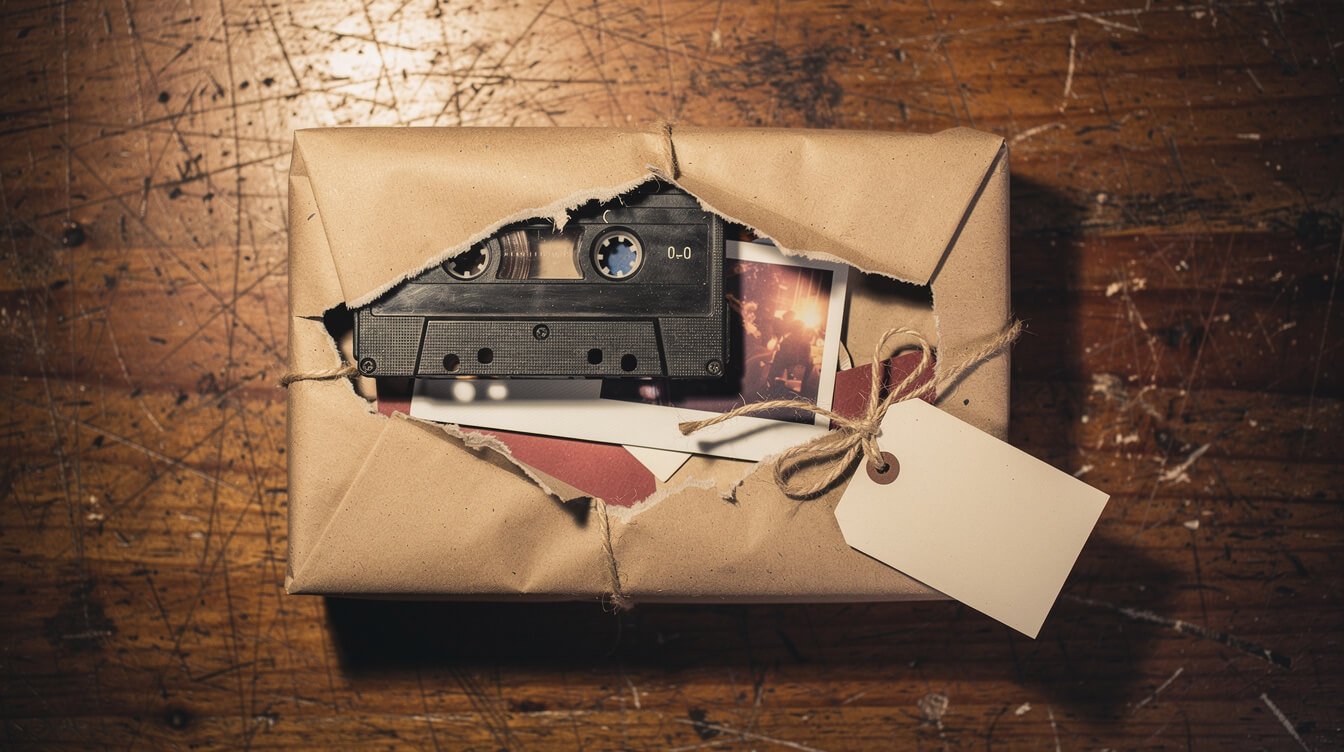
Get the reference right, on purpose
No rented mascots, no explaining the joke. Just the detail done exactly right, for the person who’ll actually catch it.
If you want the longer version of “attention beats objects,” it’s basically the same argument behind why a mixtape worked in the first place — forty-three minutes of somebody thinking specifically about you, badly disguised as a cassette. The same logic explains why most nostalgia gifts end up on a shelf: they’re chosen for the decade instead of the person. A gen x birthday gift doesn’t have to be big, or expensive, or clever in a way that needs explaining afterward. It has to prove somebody was paying attention. Everything else is just wrapping paper.
One good email, no throwback feels
New designs and the occasional true story from the desk. No hashtags, no confetti emoji, we promise.