Type “retro gaming t shirts” into a search bar and every single result on the first page is the same pitch: pick a character, put it on a shirt, and somewhere a corporation collects a small royalty for owning something you loved before you could vote. Officially licensed, they all say, like that’s the selling point. It isn’t. It’s the whole problem.
The actual memory was never the character. It was the ritual built around it — the roll of quarters going soft and warm in your pocket, the specific hum of a dark room full of machines, the argument about whose turn it actually was. A shirt that skips straight to the mascot and calls it done is selling you a costume. This is about what a retro gaming t shirt should be selling instead, and why the entire aisle of “officially licensed” merch missed it.
What a retro gaming shirt is actually supposed to say

Nobody buys a nostalgia shirt to explain themselves. They buy it so the right person, walking the other direction at the right moment, does a double take. That’s the whole transaction. Not “look how much I know about a franchise” — more like a nod between two people who both spent a chunk of their childhood standing in the same kind of dark, waiting for a machine to eat their money.
That’s the part the officially-licensed aisle keeps getting backwards. A character license is legible to everyone, which means it signals nothing in particular. Anyone can recognize a famous mascot — your accountant can recognize a famous mascot — which is exactly why wearing one doesn’t prove you were there. It proves you have twenty dollars and functioning eyesight. It’s the retail equivalent of a participation trophy: technically related to the thing, structurally incapable of meaning anything.
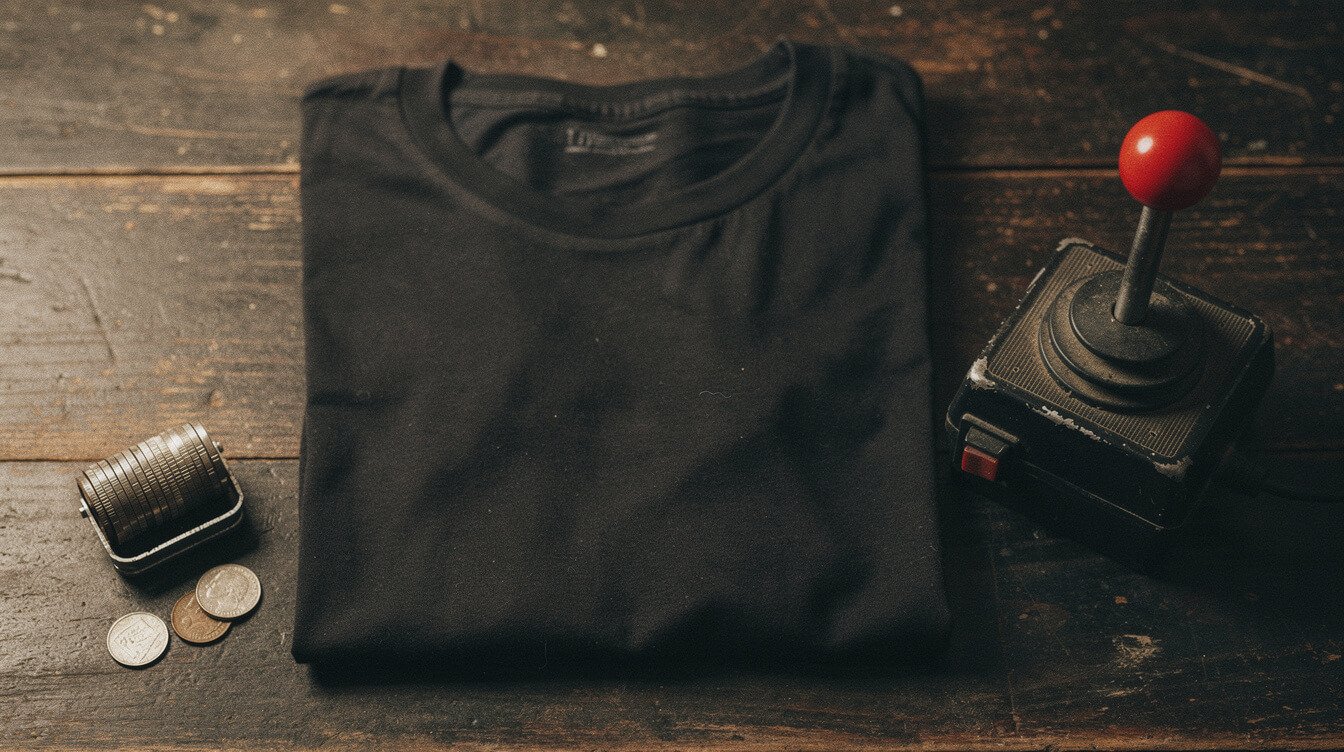
The actual flex is smaller than that, and quieter. It’s the shirt that describes the feeling of the arcade instead of naming what was on the screen — the joystick, not the hero it moved. The coin slot, not the character it summoned. The specific carpet, not the cabinet’s marquee. Someone who was there reads it instantly, the way you’d clock another latchkey kid across a party by nothing more than how they stand near a door. Someone who wasn’t there just sees a nice design. Nobody has to explain the joke to either one, which is the entire point of a joke.
If a shirt needs a licensing deal to mean something, the meaning was never really in the shirt. It was rented from somewhere else, for as long as the contract holds, and it’ll say the exact same thing on the next ten thousand people who buy it. That’s not a memory. That’s inventory.
There’s a version of this same test you can run on any piece of merch, not just shirts: ask what happens to the design if you take the logo away. If the answer is “nothing, it’s just a plain shape now,” the logo was doing all the work, and the work it was doing had nothing to do with you. If the answer is “it still means something, it’s just quieter about it,” that’s the design worth actually owning. Most of the officially licensed aisle fails that test in about two seconds, because it was never built to pass it. It was built to be recognized at a glance by someone who’s never picked up a controller in their life, which is a strange goal for a shirt about a childhood you actually had.
The economy of quarters
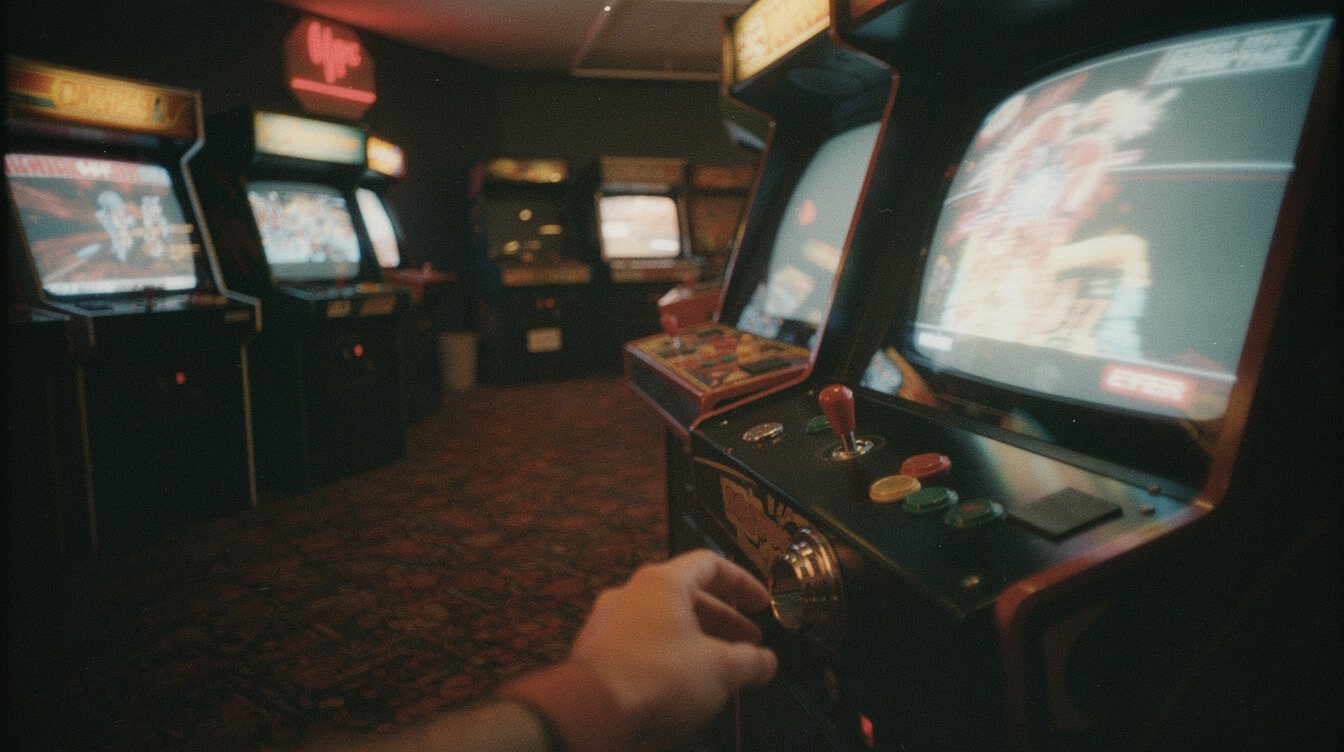
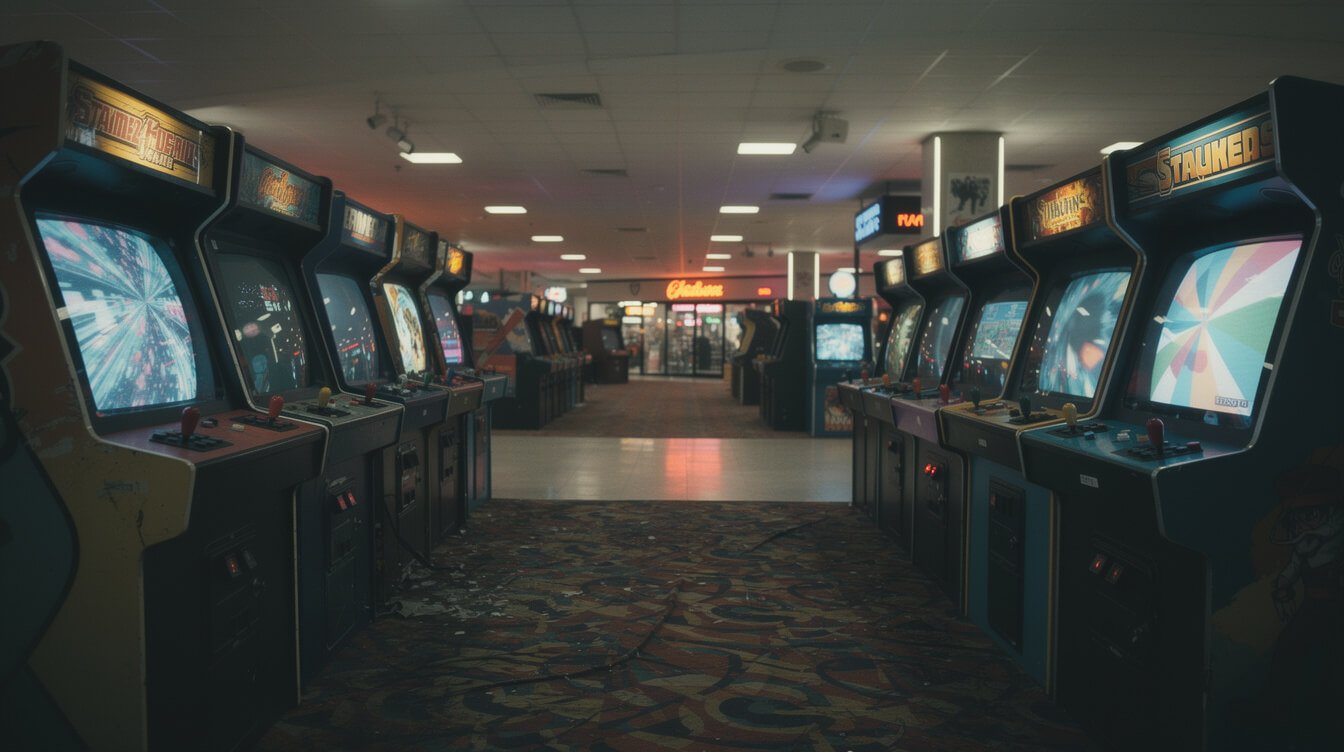
Here’s what actually happened, mechanically, at the arcade. You walked in with whatever cash you’d scraped together — mowing money, allowance, the change from a coat pocket if you were desperate enough to go through the coats — and you converted it into a stack of quarters that felt enormous for about eleven minutes. Then it didn’t. That was the whole economy: a currency that devalued in real time while you watched, and everyone in the building understood the exchange rate perfectly without a single class on the subject.
There was a hierarchy nobody wrote down and everybody understood anyway. The good cabinet had a line. Setting your quarter on the glass to hold your spot was a binding contract, enforced not by any adult but by teenagers who took it more seriously than a courtroom would. Getting your initials onto a high score screen — three letters, because that’s all the machine gave you — was a legitimate accomplishment you’d bring up unprompted for the rest of the week, to people who had absolutely not asked.
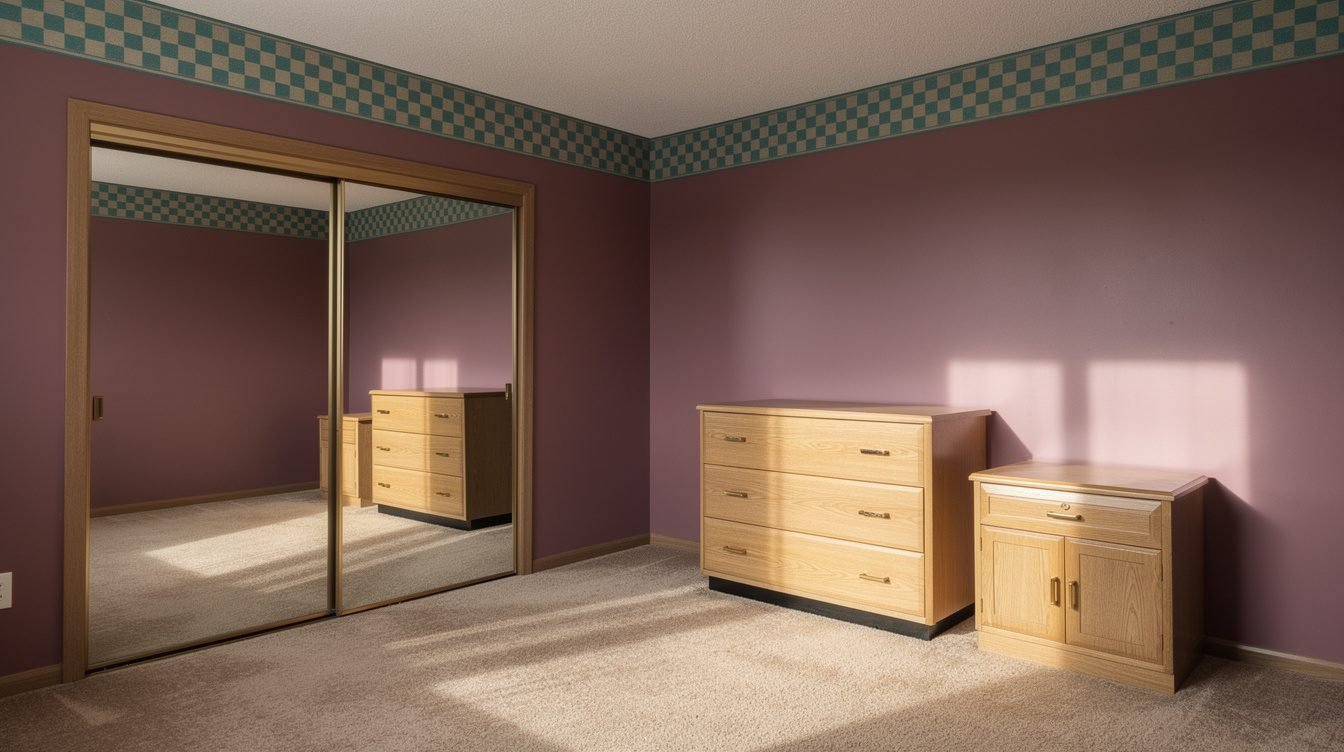
The smell of the place was carpet and ozone and something fried from the snack counter that nobody could ever quite identify. The soundtrack was thirty machines each trying to win a volume war they’d all lose simultaneously, a wall of competing chip-tunes that somehow resolved into something you could still hum decades later, minus any memory of which machine made which sound. None of that shows up on a licensed character’s chest, because none of it belongs to the character. It belongs to the room.
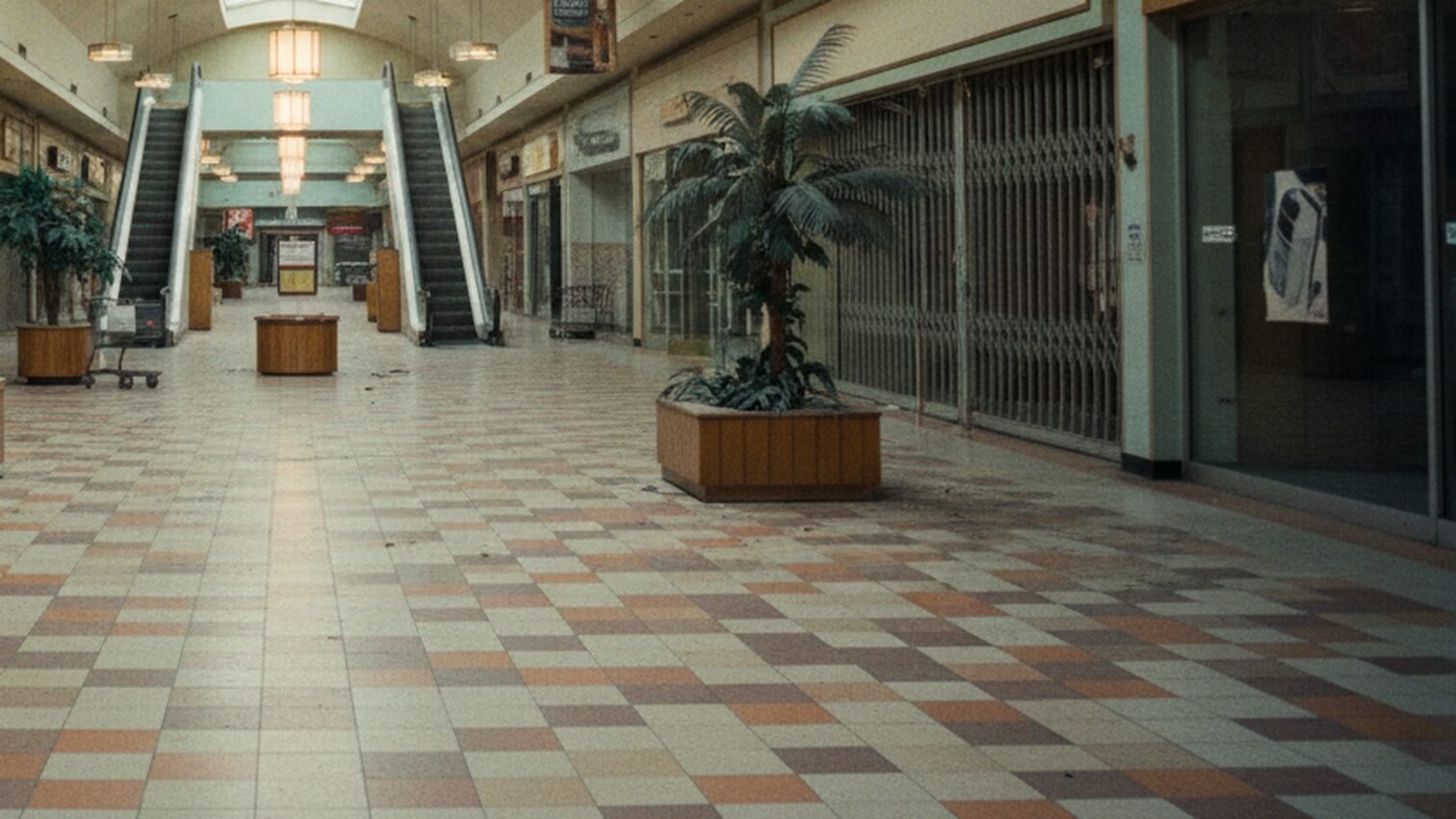
We already talked about what made the mall work as a place nobody was watching us — the arcade was the engine room of that whole operation, the one corner of the map with an actual, physical stake in the outcome. You either had the high score or you didn’t, and everyone in line behind you knew exactly how close you’d come, because they’d been watching over your shoulder the entire time, silently rooting for you to lose faster.
There was also a very specific kind of math involved in stretching a finite pile of quarters across an entire Saturday, and every kid in that arcade was running the numbers constantly without ever once writing anything down. Two games on the good cabinet, or four on the mediocre one down the row nobody respected. Save one for the claw machine you were never going to win, on principle, because giving up on it felt like admitting something. Spend the last one on a game you were bad at, just to see if today was the day, and it usually wasn’t. That’s an entire afternoon’s worth of real decision-making, and none of it required a single character to matter. It required the quarters running out.
A shirt that gets this right doesn’t need to show you a screen. It needs to get the light right, and the coin, and the particular boredom of watching someone else play through a life you were waiting your entire recess period to use.
The living room shift
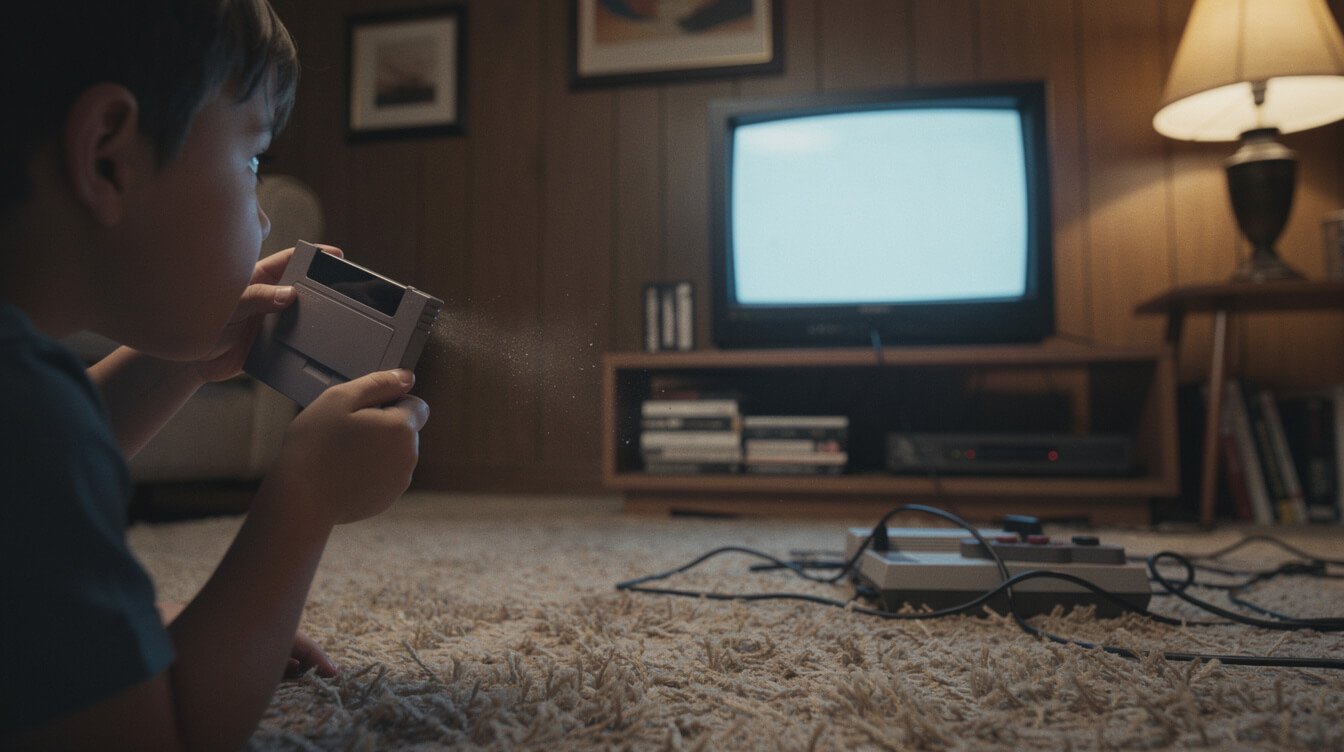
The arcade had rules everyone could see. The living room had different ones, and they were worse, because they were about siblings, and siblings do not honor a contract the way a stranger holding your place in line will.
There was one television. It belonged to whoever got there first after school, a rule that held right up until a parent’s show started, at which point every agreement you’d established that afternoon evaporated instantly and without appeal, no matter how documented it had been. Turns were tracked with a level of accounting rigor that would’ve impressed an actual auditor — “you had it for forty minutes, I had it for twenty-five, that’s not fair” — and enforced with exactly zero real authority, which is why it usually ended with somebody’s mom yelling from another room, which settled nothing and ended everything.
Cartridges needed convincing. You blew into the slot like that ever cleaned anything beyond redistributing spit across a set of contacts, and somehow it worked often enough that an entire generation still swears by it against all available engineering evidence. The antenna needed adjusting by a specific family member standing in a specific spot, one arm raised, not moving, sacrificing an entire afternoon of their own turn so everyone else could watch a picture that refused to hold still until exactly the right angle was found.
None of that is on any box art, and none of it needed a specific game to be true — it happened the same way regardless of which cartridge was actually in the slot that week, which is exactly why it’s the part worth putting on a shirt, and the character on the box never was. The character changed every few months. The cord, the carpet, the argument about turns — those were a constant, running underneath every single console anyone owned that decade.
There was a specific dread, too, worth mentioning, because nostalgia tends to sand it off: the walk to the TV to check if the save actually took, when saving anything at all was a genuine gamble half the machines couldn’t be trusted to pull off. Losing hours of progress to a cartridge that didn’t seat right wasn’t a rare inconvenience, it was practically a rite of passage, and the specific stomach-drop of watching a screen reset to a title you didn’t ask for is a feeling every kid from that decade shares regardless of which console was under their own particular television. That shared, unbranded dread is worth more on a shirt than any character who never once had to earn it back.
Why “officially licensed” retro gaming t shirts get it backwards

Go look at what actually ranks for “retro gaming t shirts” right now. Every result on the first page is a store. Not an article, not an essay, not anyone actually talking about what any of this meant to the people who lived it — just collection pages, filtered by which corporation currently owns which character, selling the same handful of recognizable faces across a dozen different storefronts with a dozen different price tags. That’s not a content gap. That’s an entire category that forgot to have a point of view.
“Officially licensed” is a legal phrase, not an emotional one. It tells you a lawyer signed off on the arrangement. It doesn’t tell you anything about whether the shirt gets the era right, because getting the era right was never the assignment — moving units of a recognizable face was. That’s a fine business, genuinely. It’s just not the same business as making something a person who was actually there would choose to wear on a random Tuesday, twenty years later, for no reason except that it’s still true.
There’s also a trust problem baked into the license itself, and it’s worth naming plainly: the whole point of a corporate character license is that it’s interchangeable. The same mascot gets printed on a shirt, a lunchbox, a phone case, and a bag of cereal, by whichever company won the bidding that quarter, with the same flat enthusiasm every time. Nobody involved in that supply chain was thinking about your specific childhood. They were thinking about units. A person who actually lived through the era can tell the difference between a design that came from a genuine point of view and one that came from a licensing spreadsheet, usually within about a second and a half, and that’s exactly the instinct the entire “officially licensed” category keeps betting against.
If you’re shopping one of these for somebody else, this is the same trap we already walked through in why most nostalgia gifts miss the mark: a shirt that leads with a character instead of a memory is decor with a price tag, built to be unwrapped and admired once, not something anyone actually reaches for on a Tuesday. Same rule, different aisle.
We’re not going to pretend we don’t sell shirts. We do. But we’re not chasing a license, and we’re not putting somebody else’s mascot on your chest and calling that a personality. Our shop is built around getting the reference exactly right without ever having to spell it out — which, not coincidentally, is also the only way to talk about this era honestly, without a licensing department sitting in on the conversation.
What we do instead
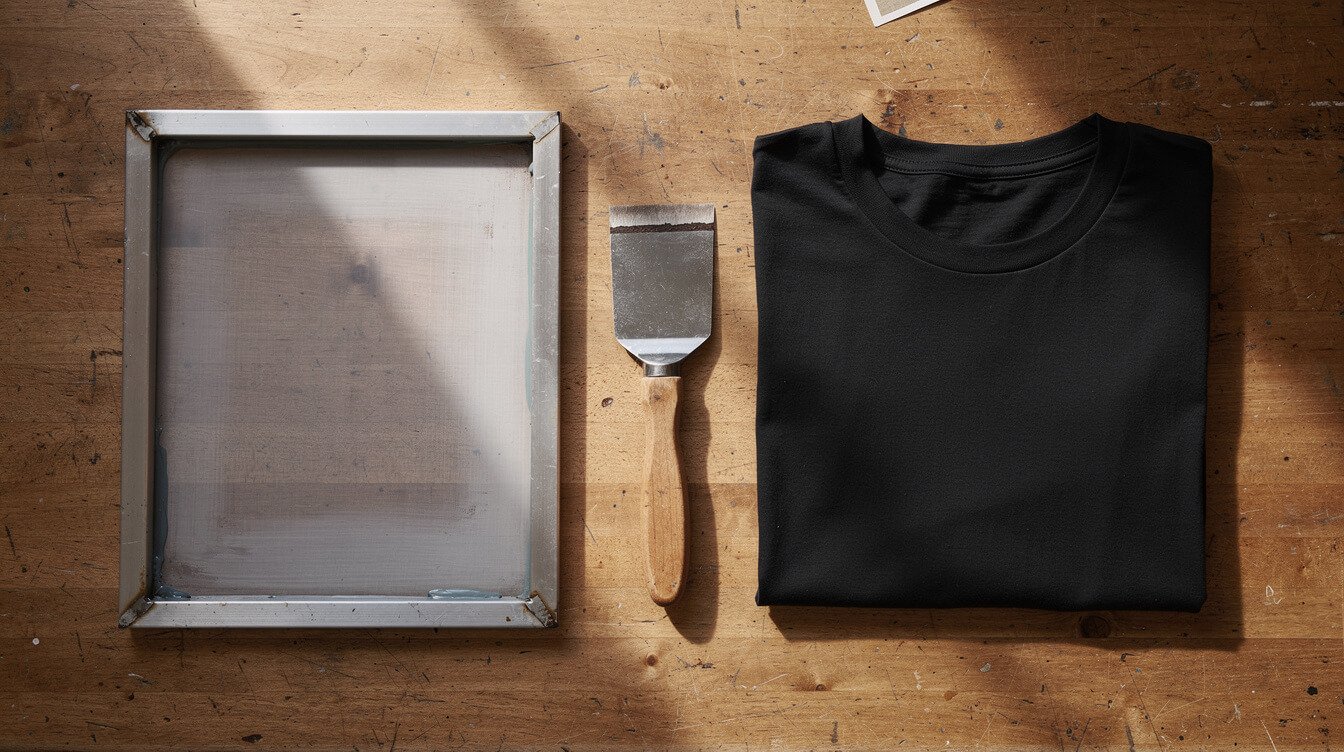
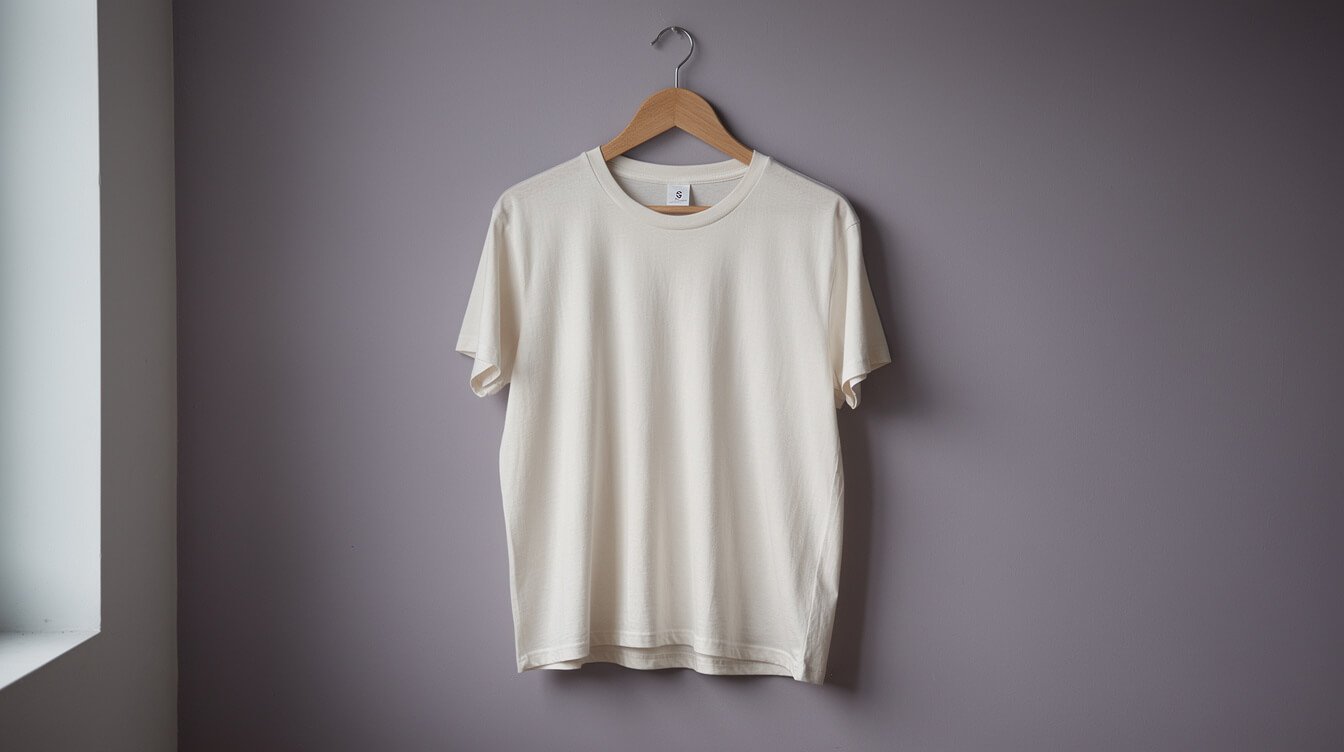
The rule is simple to say and hard to actually do: evoke it, never explain it. If a design needs a character’s face to land, it isn’t a design, it’s a rental agreement with extra steps. The harder, better version is the one that makes someone who was there feel caught out — recognized — without a single trademarked pixel anywhere on the shirt.
That means the coin, not the character it bought. The cord, not the console it plugged into. The specific ugly carpet pattern every arcade in the country somehow agreed on independently, like it was in a shared contractor’s manual nobody else ever saw. It means trusting that the person who gets it will get it instantly, in about half a second, from across a room — and not caring even a little about the person who doesn’t, because that shirt was never being made for them in the first place.
It’s a harder version of the joke to write than “here’s a mascot, ten dollars.” It’s also the only version that’s actually about the memory instead of about somebody else’s intellectual property, which is the whole difference between a shirt you wear once for a costume party and one you still reach for a decade in.
None of this means the details don’t matter — they matter more this way, not less, because there’s no famous face doing the work for you. The joystick has to be the right shape. The carpet pattern has to be the right kind of ugly. Get the coin slot wrong, or the CRT glow wrong, or the exact posture of a kid leaning into a cabinet wrong, and the whole thing reads as generic instead of specific, which is its own kind of failure. Precision on the reference is the entire product when the reference isn’t allowed to be a logo. There’s nowhere to hide behind a licensing deal, which is exactly why it’s harder, and exactly why it’s worth doing.
Designs that skip the licensing meeting
No rented mascots. Just the coin, the carpet, and the wait — done right, and left for you to recognize on your own.
Retro gaming t shirts: the fast answers

What makes a retro gaming t shirt different from an officially licensed one?
An officially licensed shirt sells you a character someone else owns and gets paid every time it’s printed. A retro gaming shirt done right sells you the feeling of being in the room — the coin, the cabinet, the wait for your turn — without needing anyone’s legal department to sign off on saying it.
Will people actually get it without a recognizable mascot on it?
The right person gets it faster without the mascot, not slower. A famous character is a shortcut that skips straight past the actual memory. The specific, unbranded detail — the joystick, the cord, the carpet — is the one that makes somebody stop and look twice.
Is it even legal to sell “retro” gaming shirts without a license?
Yes, as long as the design evokes the era and doesn’t depict, name, or closely imitate a specific trademarked character, logo, or title. That’s a legal line and a creative one at the same time, and it happens to be the same line that makes for a better, more honest shirt anyway.
How do you wear one so it doesn’t read as a costume?
Wear it like clothes, not like a booth at a convention. If a shirt only works when you stand next to it explaining the reference, it isn’t doing its job. It should read on its own, from across a room, to exactly one kind of person — and say nothing at all to everyone else.
What if the specific game I loved is the whole point for me?
That’s fair, and it’s exactly what the license was built to sell you. Just know what you’re buying: a corporation’s character, printed at scale, on a shirt that says the same thing to a stranger who’s never touched a controller as it does to you. If what you actually loved was the game itself and not just the room around it, that’s a real thing to feel — it just isn’t something we’re going to put on a shirt without a license we don’t have, and honestly, it usually isn’t the part people miss most anyway. Ask someone what they actually remember and they’ll tell you about the carpet before they tell you the character’s name.
Final thoughts
The arcade wasn’t a franchise. It was a room full of strangers and quarters and an unspoken agreement about whose turn it actually was, and nobody who was really there needs a mascot to remember any of it. The best retro gaming t shirt is the one that gets that part right and skips the licensing meeting entirely — no character, no costume, just the parts that were actually true.
The officially licensed aisle will always be bigger than ours. It has better lawyers and a deeper catalog and a mascot for every childhood you ever had, all cleared for use. What it doesn’t have is a point of view, because the point of view was never the assignment. Getting the reference right — and knowing when to leave it unsaid — was always going to be a smaller, harder business than moving licensed inventory. It’s just the only one that’s actually about you instead of about the character.
You already know if this is your era. You don’t need the footnote.
Reply and tell me your era
No hashtag salad, no fake urgency. Just the next one of these, straight to your inbox, whenever there’s a next one worth sending.