Search “90s kid gifts” and you’ll get the same forty items in a different order every time. A digital pet keychain toy. A pocket tape recorder straight out of a heist movie. Something in a “retro candy box.” A neon-swirl notebook nobody asked for. It’s not a gift guide at this point, it’s a decade with a UPC code slapped on it, and somewhere around the third listicle you start to suspect nobody writing these actually knows a 90s kid — they just know the decade has good SEO.
Here’s the part that gets skipped: a 90s kid gift that actually works isn’t a decade, it’s a specific person’s specific memory. Two people who were both nine in 1994 did not have the same childhood. One of them had a digital pet keychain toy that got left in a hot car and died a small, dramatic death. The other one never owned one and thinks the whole category is a scam invented by toy companies to make kids nag their parents. Buy the generic list-topper for the wrong one and you’ll get a polite “oh, cool” — the gift-recipient equivalent of a shrug.
This isn’t a knock on wanting to get someone a good nostalgia gift. The instinct is right. It’s the execution that’s broken, because the entire industry built up around “90s kid gifts” runs on the same lazy assumption every mass-market nostalgia product runs on: that a whole generation is one customer with one set of preferences, easily satisfied by whatever’s trending in the gift category this quarter. We were the demographic that grew up getting marketed to nonstop and learned to spot exactly that move. Turning our own childhoods into a listicle-friendly SKU is, if anything, a little too on the nose.
The problem with the standard 90s kid gifts list
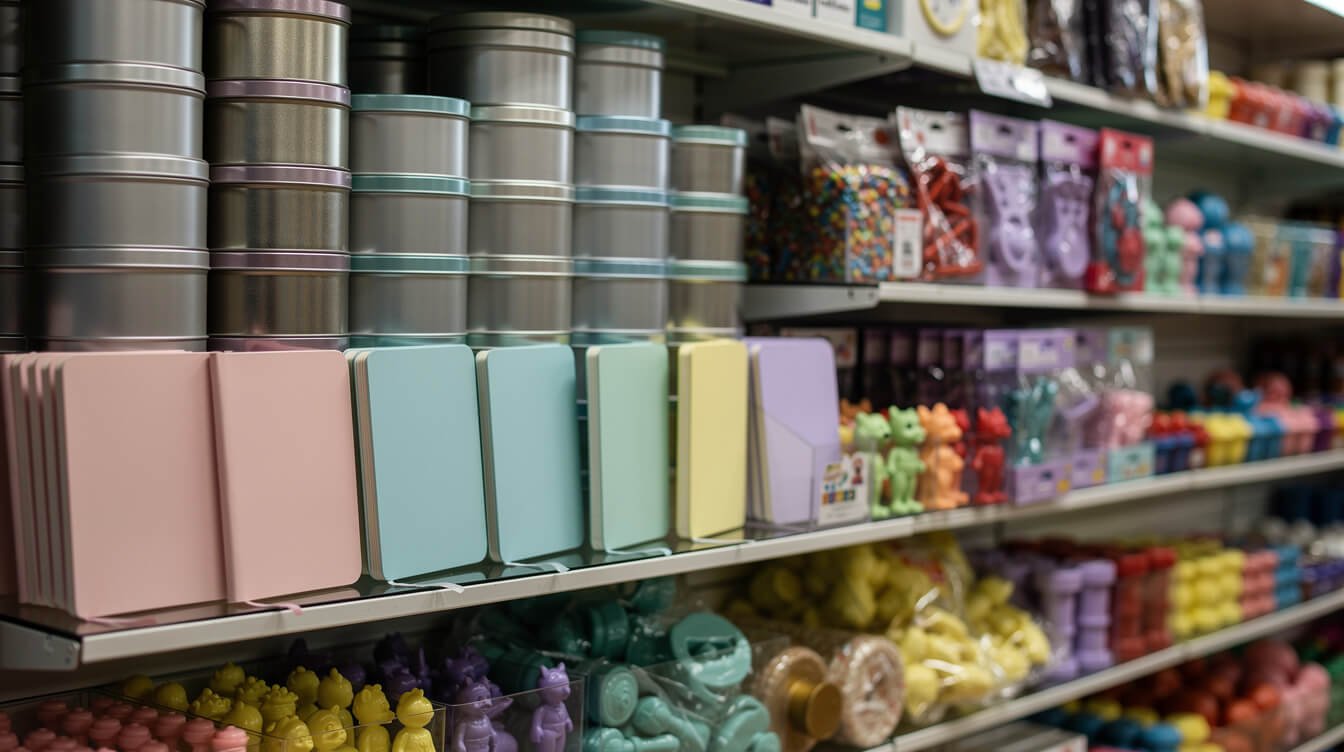
Every one of these lists is built the same way: someone opens a spreadsheet, pulls the top-selling nostalgia SKUs on a couple of marketplaces, and writes a paragraph of copy around each one. Nothing wrong with that as a business model — it moves candy boxes and licensed ornaments just fine. But it’s not gift-giving, it’s inventory with a nostalgic font on the packaging, and Gen X can clock the difference in about a second and a half. We were the test market for every “kids these days” ad campaign of the 20th century. We know exactly what it looks like when a decade gets turned into a product line.
The tell is always the same: the list has no idea who it’s for. It just assumes “90s kid” is a single monolithic person who loved every single thing that existed between 1990 and 1999, which is a little like assuming every person born in Ohio has the same personality. You didn’t love everything. You loved maybe six things, intensely, and mostly ignored the rest. The gift that lands has to know which six.
There’s also a quieter problem, which is that a lot of “90s nostalgia” merchandise is really just other people’s copyrighted childhoods with a license fee attached. A shirt with a cartoon character on it is a fine thing to own, but it’s fandom, not memory — it says “I liked this specific show,” which is true and also kind of beside the point. The actual memory was never the character. It was where you were sitting when you watched it, who was next to you, and whether your mom yelled at you to turn it off before dinner.
Look at the ingredients of a typical “90s kid gifts” roundup and you’ll notice they cluster into two piles. Pile one: officially licensed nostalgia — a character ornament, a branded lunchbox reissue, something with a studio’s name quietly printed on the tag. Pile two: unbranded sense-memory objects — a candy box of discontinued flavors, a scent, a texture, something that skips the property entirely and goes straight for a feeling nobody owns the rights to. Pile two is where the actually good gifts live, almost without exception, because nobody had to clear a rights department to make you feel something real.
What actually makes a gift land, versus what just says “90s”
The best nostalgia gifts we’ve seen given — not sold, given, by an actual person who was paying attention — have almost nothing to do with a decade-wide theme and everything to do with one specific detail somebody remembered on purpose. Not “here’s a thing from the 90s.” More like: “you told me a story once about the exact TV you had to unplug and physically carry to your room to watch MTV in private, and I found something that’s about that, specifically.”
That’s a harder gift to shop for than a listicle item, because it requires you to have actually listened at some point, which is a skill in shorter supply than people like to admit. It also means you can’t outsource the thinking to a “best of” article — the article doesn’t know your specific person. You do, or you can find out fast with one good question: “what’s the one thing from being a kid that you still bring up, unprompted, more than anyone wants to hear about?” Ask that, wait for the answer, and you’ll know exactly what to look for. It’ll almost never be on anyone’s top-40 list.
Specificity is the whole trick. A general “90s decor” gift says “I know what decade you were born in.” A specific one says “I know you,” which is a completely different gift even if it costs the same $28. This is the entire logic behind the IYKYK instinct that actually-good Gen X gifts run on — if you have to explain the reference on the gift tag, you already picked the wrong thing.
The tell that separates a real gift from a nostalgia cash-grab
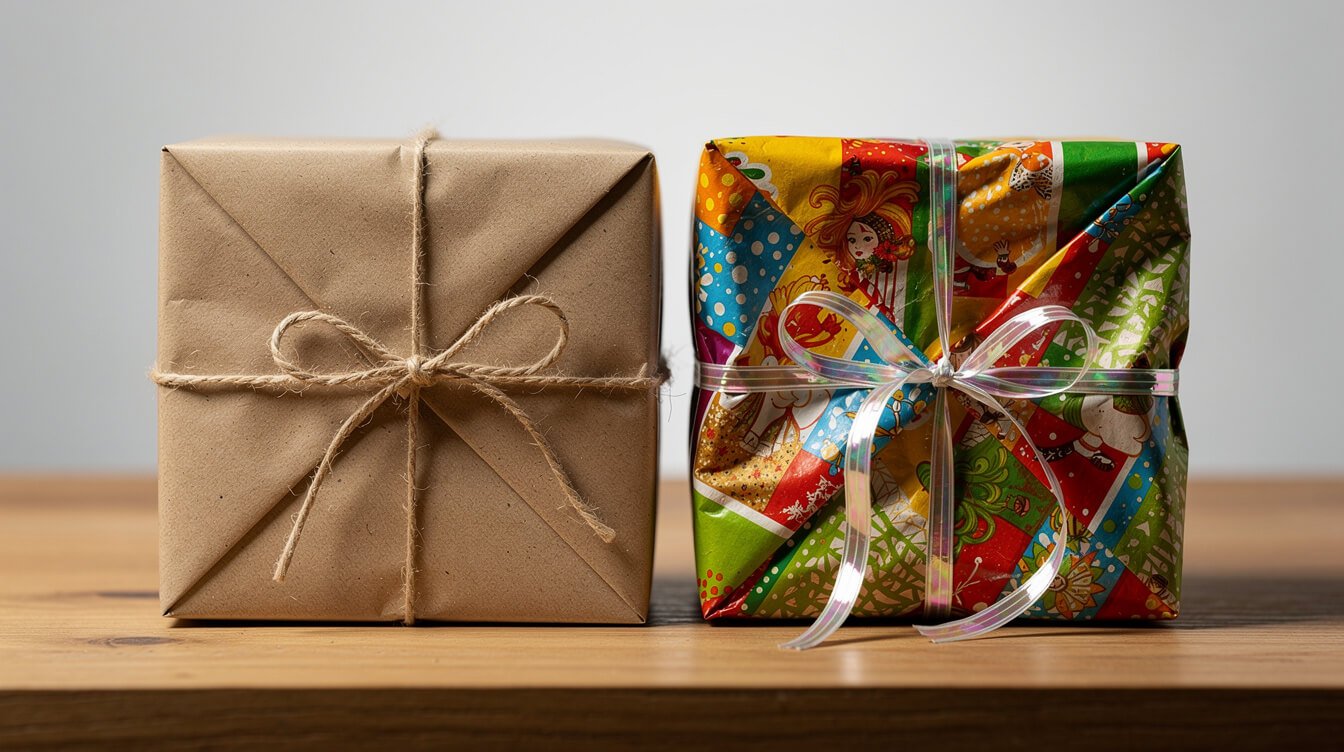
There’s a fast way to sort the two apart, and it works on almost anything with “nostalgic” or “retro” in the product description. Ask what the item is actually referencing: an object and a feeling, or a brand and a license. A candy box built around flavors you can’t find anymore is referencing a feeling — the actual sugar, the actual taste memory. A shirt with a licensed cartoon mascot printed at retail size is referencing a rights deal. Both can be fine purchases. Only one of them is really about the person you’re buying for, and it’s usually the cheaper one.
The second tell: does the gift assume the recipient is sad about the 90s being over, or does it assume they think it’s funny? A lot of nostalgia merchandise is pitched with a faint mist of mourning over it — “remember when things were simpler,” soft lighting, a wistful tagline. That’s not how most Gen Xers actually feel about being nine in 1994. We remember it as absurd, occasionally dangerous, frequently unsupervised, and very funny in hindsight. A gift that gets the tone right is dry about it, not dewy-eyed. The tape got eaten by the deck. You rewound it with a pencil. It’s a good story, not a eulogy.
Third tell, and this one’s easy to check: does the product need a caption to explain the joke? Hold the product description up and see if it has to say “get it? because 90s kids will remember this!” If the packaging has to coach you into finding it nostalgic, it isn’t. The good version doesn’t explain itself, because it doesn’t have to — the person it’s for gets there in under a second, and the person it’s not for just sees a decent design and moves on. Nobody needed a footnote.
A fourth, smaller tell, but worth knowing: check how the product is priced relative to what it actually is. A generic mug or magnet with a vague “90s vibes” phrase printed on it, priced like a specialty item, is a margin play wearing a decade as a costume. A well-made object priced like what it costs to actually make well — real print quality, a blank that survives more than three washes, packaging that isn’t mostly air — is priced like someone thought about the thing itself, not just the trend attached to it. Gen X will pay real money for the right joke on a good blank. We will not pay real money for a lazy one, and we can tell the difference by feel before we’ve even read the description.
Get the detail right, not the decade
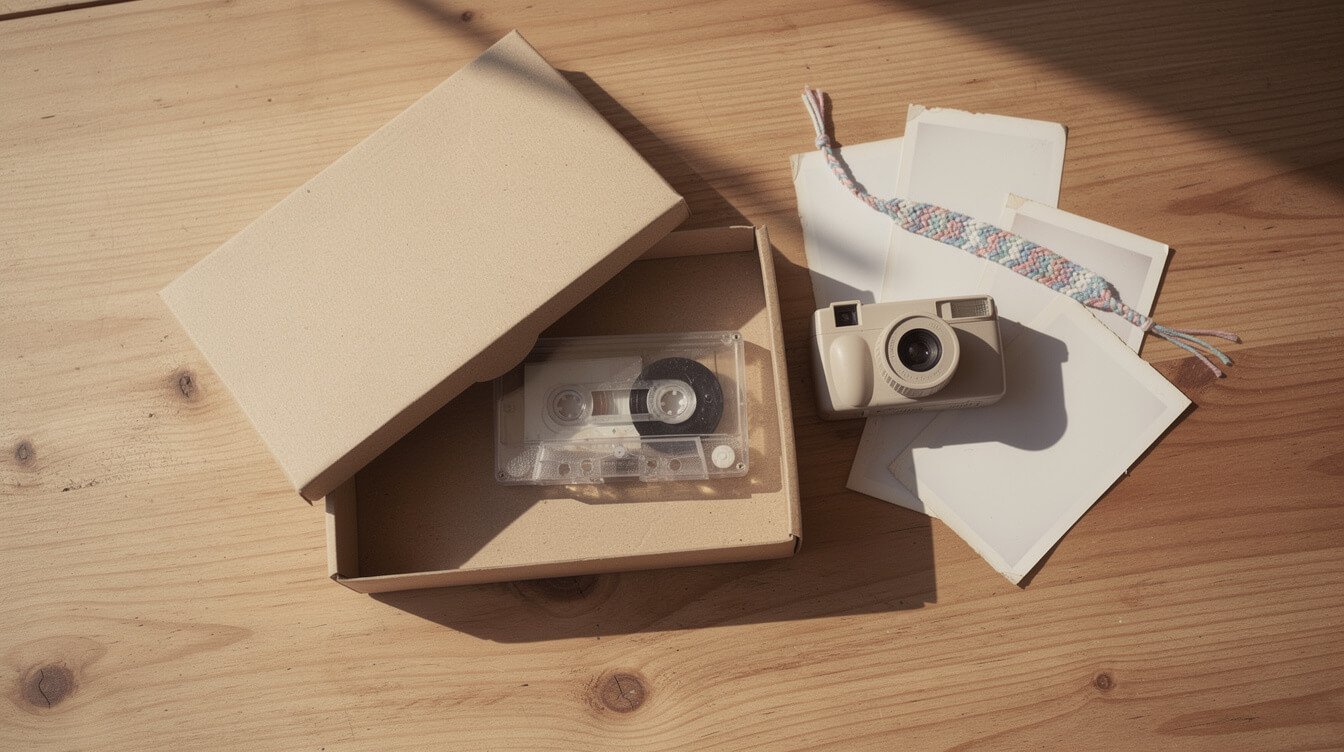
No rented mascots, no generic decade branding. Just the specific reference, done right, for the person who’ll actually catch it.
90s kid gifts that actually work, without buying the whole decade
None of this means the category is hopeless — it means the good options are narrower and require slightly more effort than adding the top result to a cart. A few directions that consistently land better than a generic “90s gift box,” roughly in order of how much listening they require:
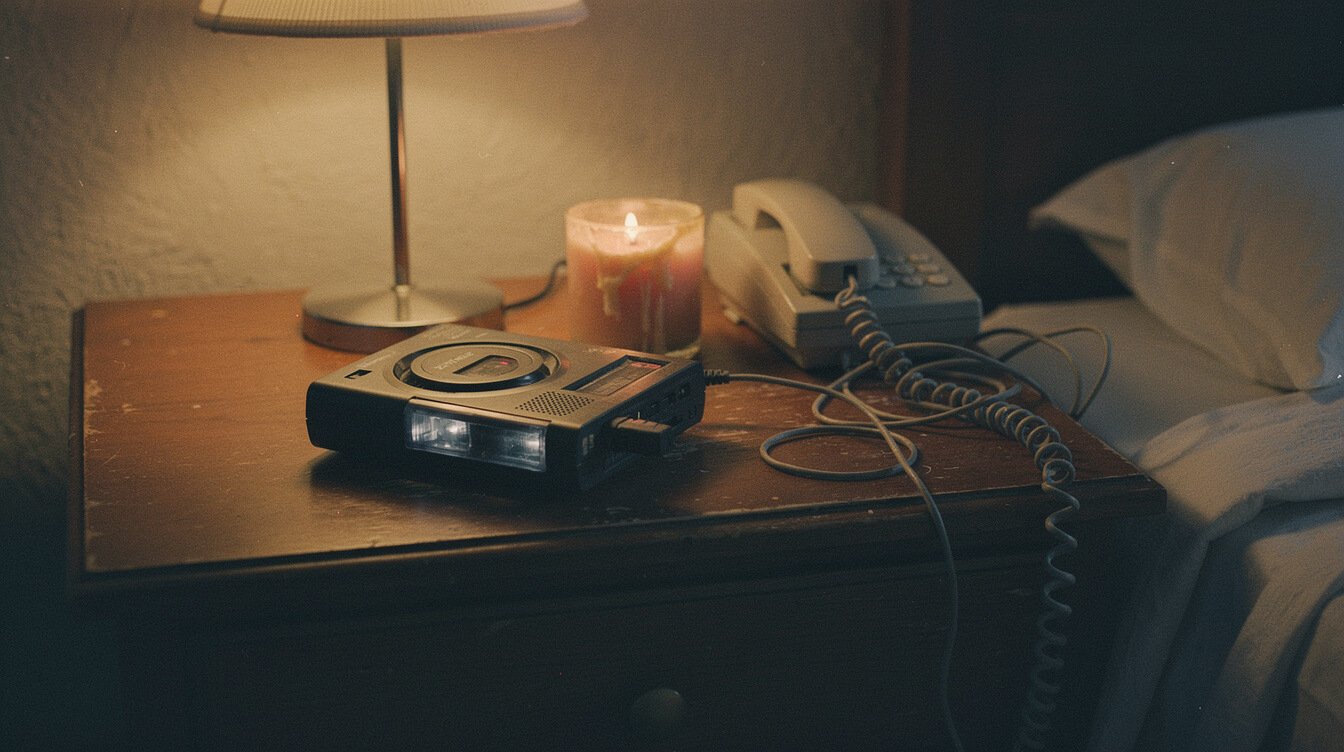
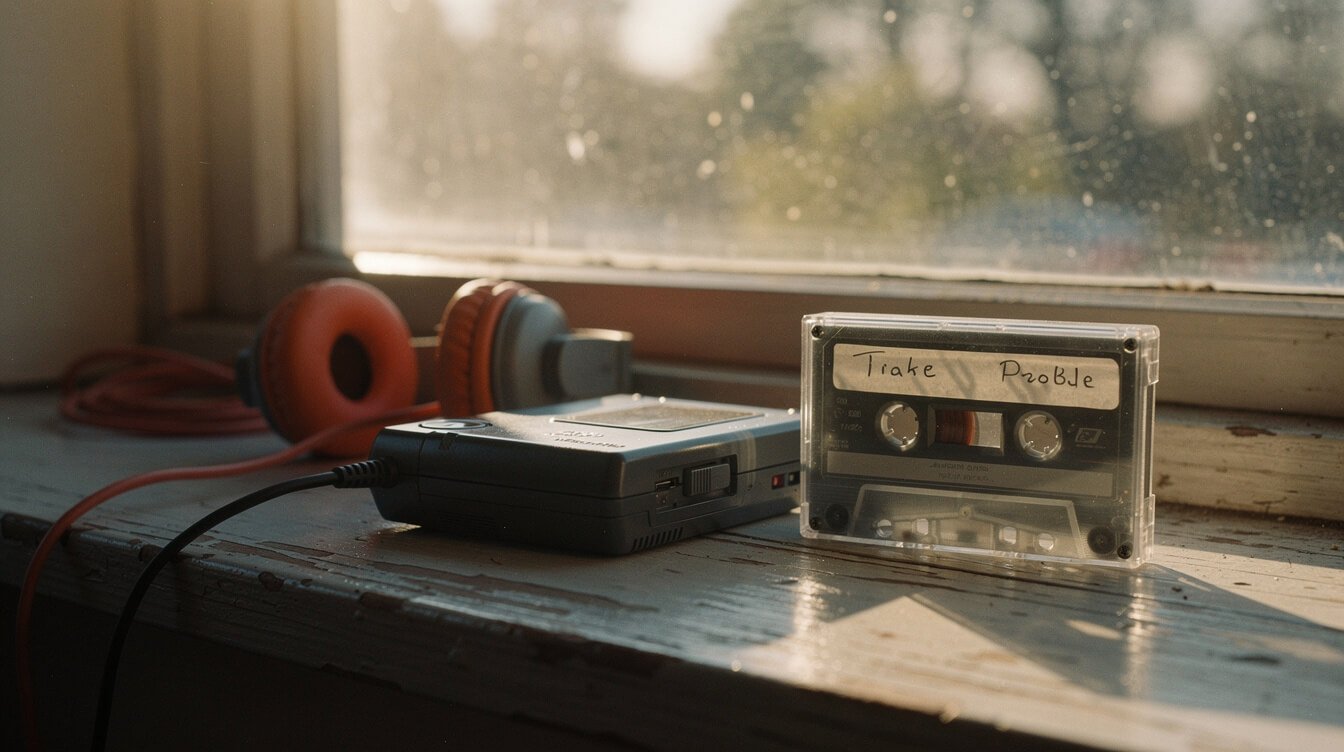
The specific-format revival. Not “a CD player,” but the exact format their specific memory ran on — a portable cassette player if that’s the sound they remember, a disposable camera if the story was about waiting a week to see if the photos came out. Format matters more than decade here. Getting the object right, not just the era, is what makes it land.
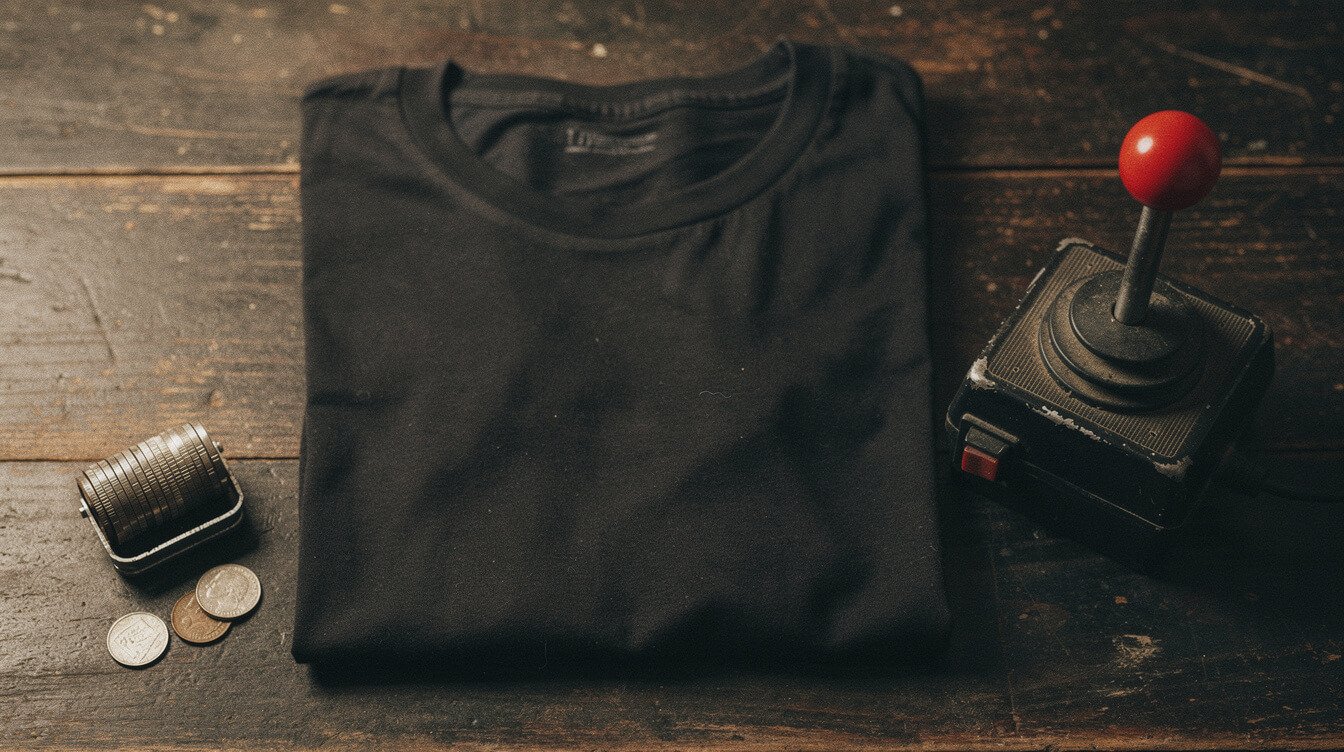
A design that gets the detail exactly right and doesn’t explain it. This is where a shirt or print actually earns its place, but only if it skips the licensed mascot and goes straight for the specific, unbranded detail — the shape of a coin slot, the exact static pattern of a dead channel, the particular blue of a certain plastic toy nobody else remembers by name. That’s the difference between wearing a logo and wearing a memory. We build everything in the shop around that second thing on purpose — no rented characters, no “as seen in” claims, just the detail rendered right for the three people in the room who’ll actually clock it.
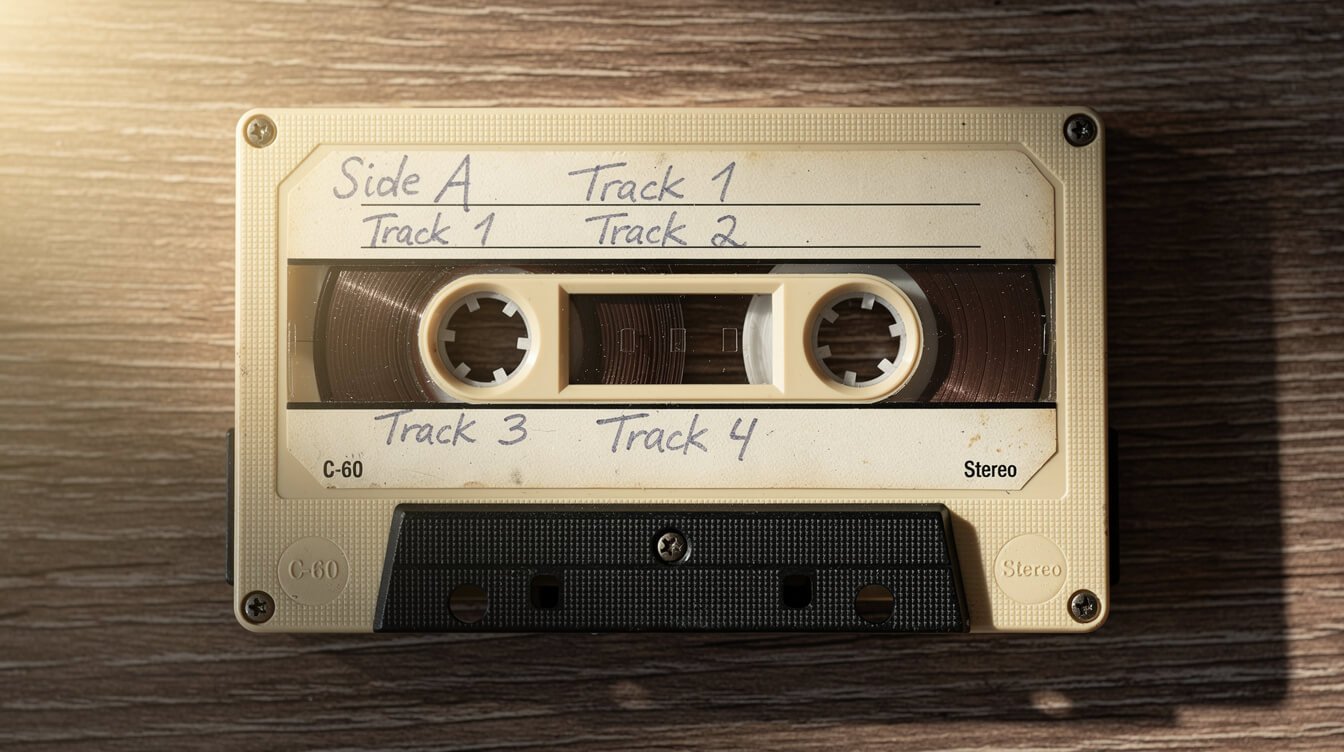
A mixtape, made properly, with the rules intact. Not a streaming playlist link — an actual mix, sequenced with intention, side lengths respected, the awkward transition between songs left in on purpose because that’s what a real one sounded like. We wrote up the full method in our piece on how to actually make one if you want to do this properly instead of faking it with a playlist title.
Something that requires them to tell you the story back. The best gifts in this category function less like an object and more like a prompt. Hand it over, watch their face do the thing where they have to explain it to whoever else is in the room, and you’ve given them a five-minute story instead of a shelf item. That reaction is the actual product. Everything else is packaging.
The experience instead of the object. A barcade night, tickets to whatever’s left of the touring circuit from their specific music phase, a road trip to the mall that’s still standing in your hometown before it isn’t anymore. None of that ships in a box or shows up on a “best gifts” roundup, which is exactly why it doesn’t feel like everyone else’s gift. It’s also the one category no licensing department can touch — there’s no rights fee on an actual Tuesday night spent doing the thing you both used to do for free.
Who this guide is actually for

Not the person buying for a stranger, and not the corporate gift-exchange situation where “generic 90s thing under $20” is a completely reasonable and correct choice — buy the candy box, nobody’s judging you, that’s a different job than this article is solving. This is for the person buying for someone they actually know: a sibling, a spouse, a friend they’ve had since the actual 90s, someone whose specific childhood they have at least a rough map of.
If that’s you, the work is less “find the best 90s gift” and more “remember one true, specific thing about this person’s childhood and build outward from it.” That’s a much smaller, much more findable target than “everything the decade produced.” It’s also, not coincidentally, the exact same logic behind why the Gen X birthday gift is so hard to get right in general — we can all tell where you got the idea, and specificity is the only thing that fixes that.
One more thing worth saying plainly: this isn’t really about the 90s specifically, either, even though that’s the decade the search term names. The same logic applies whether the gift is anchored to 1988 or 1996 — the mechanism is “remember a true specific thing,” not “correctly identify the release year of the toy.” Anyone telling you the exact decade matters more than the specific memory is still selling you the generic version. Nail the year and miss the person, and you’ve still missed.
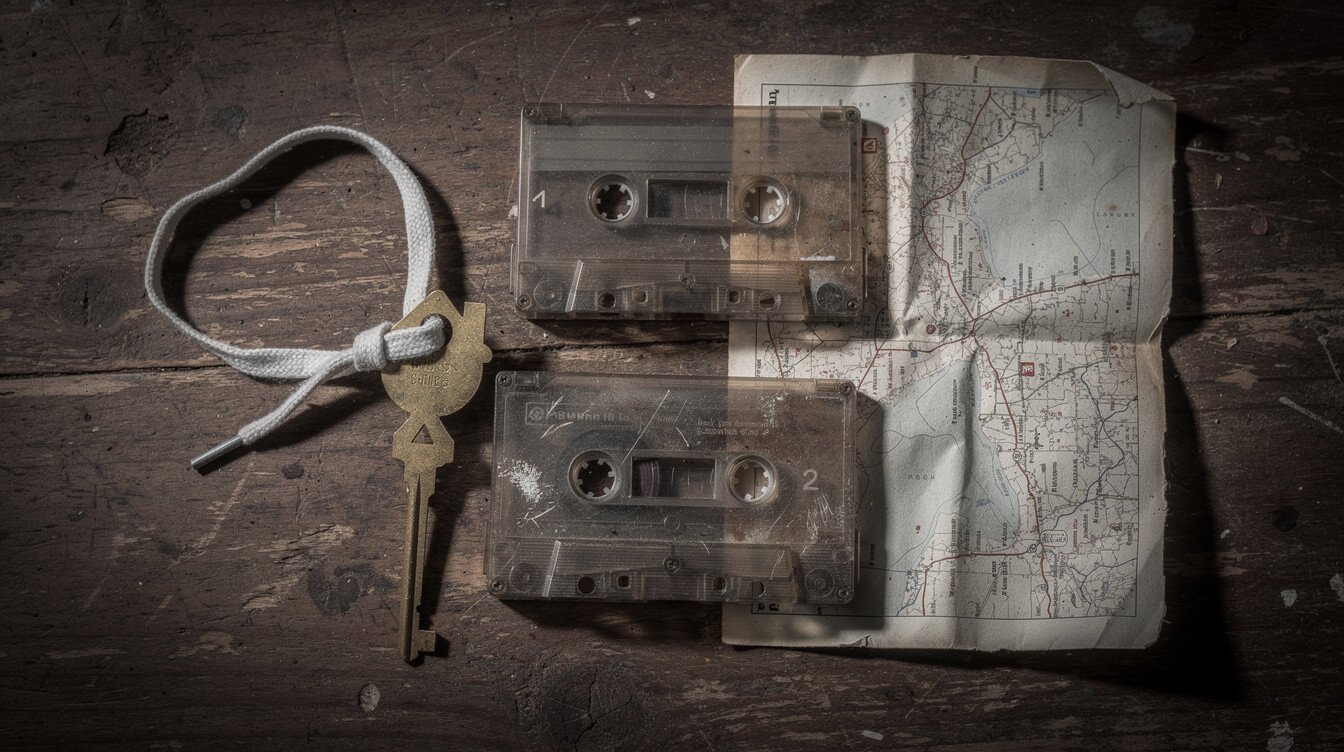
And if you’re buying for someone whose specific mixtape-and-latchkey-key memories you actually know well enough to reference directly, our mixtape lover gift guide goes deeper into that one narrower, higher-hit-rate lane.
Quick answers
What’s the safest 90s kid gift if I don’t know them that well?
Go generic on purpose — a well-made retro candy box or a format-accurate item (portable cassette player, disposable camera) reads as “I get the decade” without pretending to know a story you don’t actually know. Save the ultra-specific gift for someone whose specific memories you can name.
Are licensed character shirts and toys a bad gift?
Not bad, just a different category — that’s fandom merchandise, and it’s a completely fine gift if the person is an actual fan of that specific show or character. It just isn’t the same thing as a nostalgia gift built around a shared, unbranded memory, and the two get mixed up constantly in “90s kid gift” lists.
Why does your shop skip real show and game names on its designs?
Because that’s a licensing deal we’re not pretending to have, and honestly, the character was never the actual memory anyway. We design around the object and the feeling — the coin slot, the static, the specific plastic — not somebody else’s copyrighted mascot.
What if I genuinely don’t know a single specific detail about their childhood?
Ask them one question — “what’s the one 90s thing you still bring up that nobody wants to hear about anymore” — and build the gift around whatever they say. It works almost every time, and it’s a better data source than any listicle.
Final thoughts
The whole “90s kid gifts” category got turned into a product line somewhere along the way, which is a very on-brand thing to happen to a generation that spent its entire childhood being advertised to. The forty-item lists aren’t wrong, exactly — they’re just aimed at a person who doesn’t exist, a generic composite 90s kid who loved literally everything equally, which nobody did.
The actual trick was never finding the right product. It was remembering one true, specific thing about one real person, and having the patience to build the gift around that instead of the decade. That takes more effort than adding the top search result to a cart. It also happens to be the only version that actually works.
One good email, no fake hype
New designs and the occasional true story from the desk. No hashtags, no confetti emoji, we promise.