Search for 80s sitcoms and the internet hands you a scoreboard. A top thirty-five. A best eighty. A poll asking you to pick one favorite per network, as if that were possible without a fistfight. Every list argues about which show was funniest, and every list ends the same way, with a little badge telling you where to stream it.
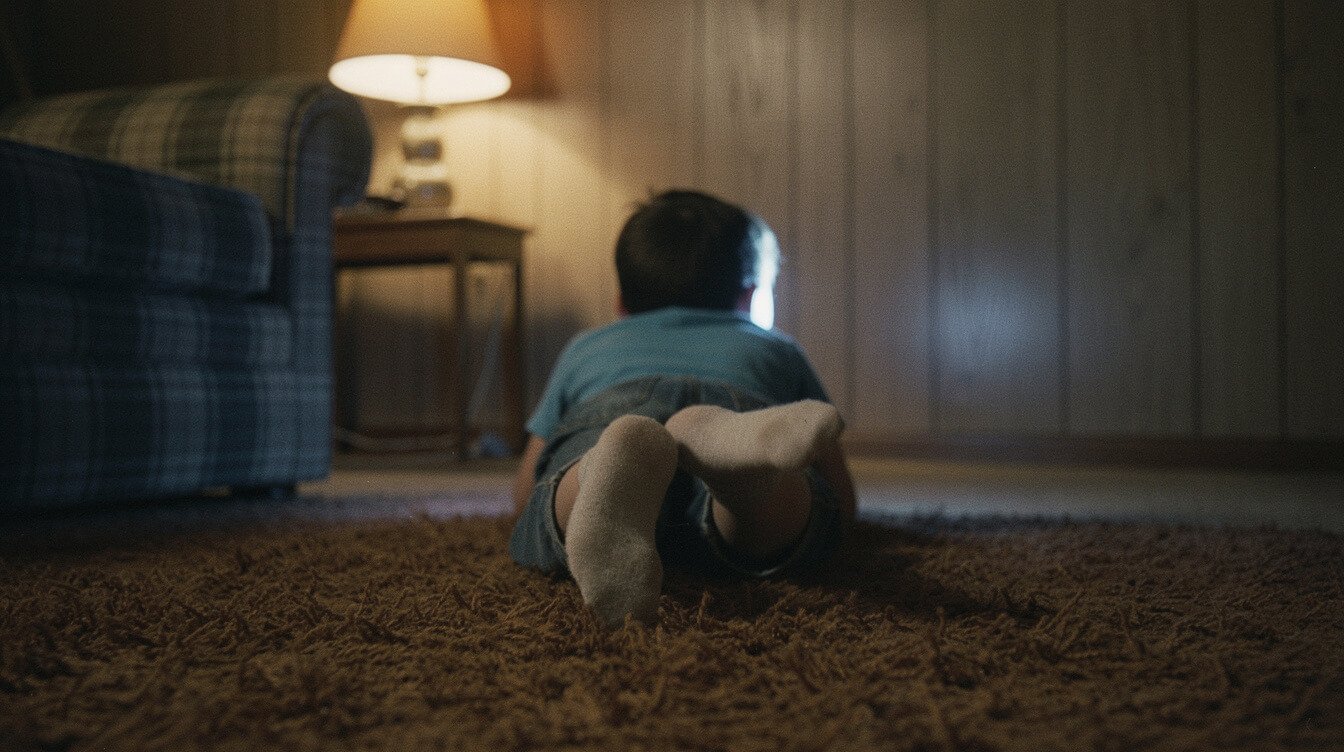
Fair enough. But that was never the question. Nobody on the carpet in 1985 was grading the writing. What we were doing, three feet from the screen with our chins on our fists, was taking notes. The 80s sitcom was the most-watched household a lot of us had access to, including our own. It had two parents in the kitchen at dinnertime. It had a dad who knew what to say. It had a problem, a talk, and a hug, all inside twenty-two minutes, with time left over for a car commercial.
We knew it was fake. We watched it anyway, the way you’d read the back of the cereal box: not because you believed it, but because it was the only thing in front of you with instructions on it.
80s sitcoms, ranked by what they actually taught us

So here’s a different ranking. Not by laughs, not by ratings, and not by which cast member aged best. By curriculum.
Somewhere near the bottom: the shows that taught us catchphrases. They were useful in the lunchroom and nowhere else, and most of them have since been printed on so many novelty mugs that we’d rather not discuss it.
In the middle: the workplace and hangout shows, the ones set in a bar, a newsroom, a taxi garage, or a precinct. They taught us something we didn’t have a word for yet, which is that adults could be a family by choice. The people at work could be the ones who actually knew you. A lot of us filed that away and pulled it back out around age twenty-six, in a break room, with a coworker who’d become a sibling.
Near the top: the family shows. Not because they were better. Because they were assigned reading. Week after week, they demonstrated how a house was supposed to run. Here is what a father says when you lie. Here is what a mother does when you come home late. Here is what a sibling fight looks like when it ends in an apology instead of a slammed door and a three-day cold war over the good chair.
And at number one, by a mile: the episode where the music changed. You know the one. Every show had at least one. The cold open came in quiet, nobody did a bit, and you sat up a little, because you knew this was the week the sitcom was going to tell you something your parents hadn’t gotten around to.
That’s the real legacy of 80s sitcoms. They weren’t just entertainment. For a generation that was home alone a lot of the time, they were the backup parents. They did a better job than we give them credit for. They also did a worse job than they thought.
The very special episode
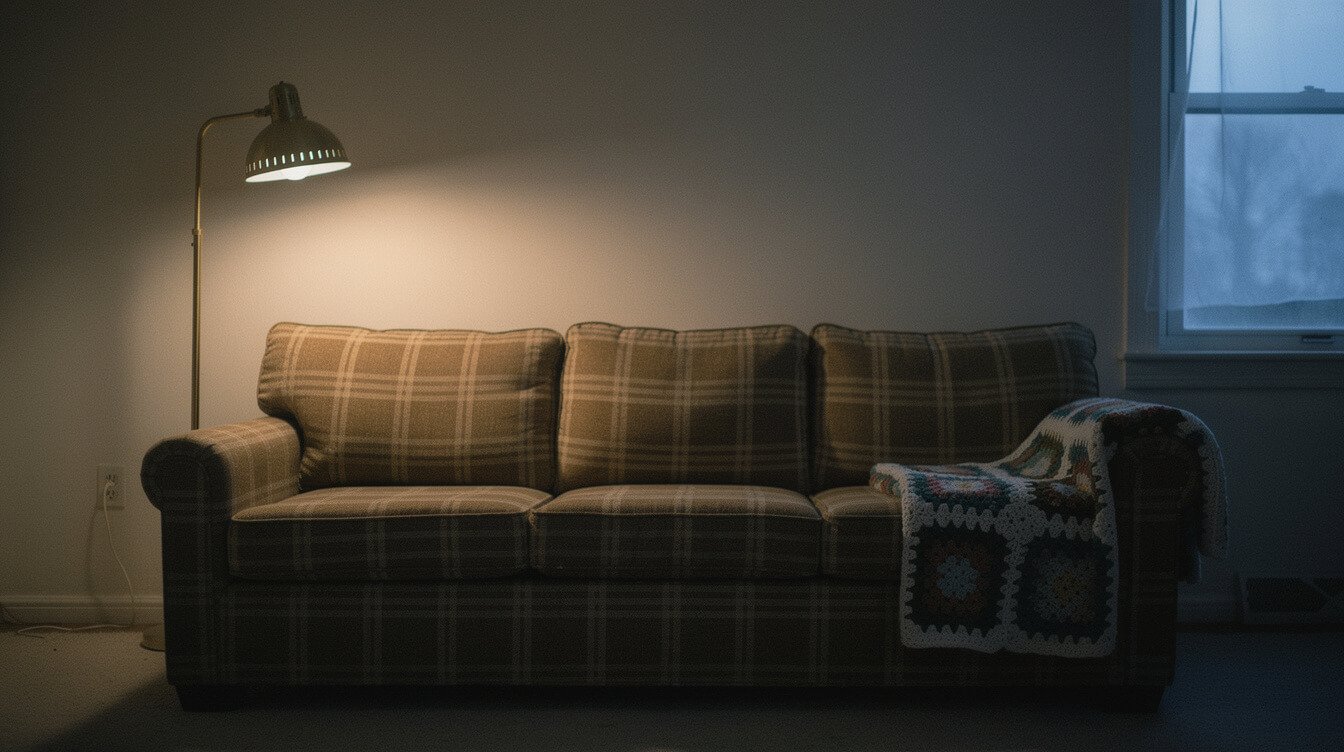
“Very special episode” was a promo phrase before it was a punchline. The networks used it in the ads, and its use peaked in the 1980s. The format usually announced itself: a brief word from the cast at the top, or a title card advising viewer discretion, which to a ten-year-old meant exactly one thing. Do not leave the room.
Then came the subject. Drugs. Drunk driving. Hitchhiking. A friend’s dad who hit. Running away. The grown-up who was a little too friendly. We learned a remarkable amount about the world from people who were, the rest of the year, getting their heads stuck in banisters.
A few, by date
In February 1983, a family sitcom ran a two-parter in which the friendly owner of the neighborhood bike shop turns out to be a predator. That’s a heavy thing to drop into a Saturday night between a toothpaste ad and a laugh. A Washington TV critic called it “a calm, careful and intelligent treatment of a difficult and potentially traumatizing subject,” and said there was “considerable likelihood it could do them good.” Later that year, police in La Porte, Indiana, credited the episode after a boy who’d seen it told his mother about a man in their area, and the man was arrested.
A month after the bike-shop two-parter, in March 1983, the same show had the First Lady herself drop by. The plot sent a kid investigating drugs at his elementary school, and she showed up to warn the class. Some of us were in fifth grade. It did feel like a big deal, mostly because it meant your parents were watching too.
January 1984 brought a two-parter about two siblings who hitchhike home for a birthday party and get picked up by exactly the wrong guy. In January 1986, a kids’ sitcom did an episode about an old refrigerator left in the backyard and a game of hide-and-seek that goes very wrong, solved with CPR. Two weeks later, a different show had a kid steer clear of a classmate who’d gotten AIDS from a blood transfusion, because of what he’d heard about it.
The rules of the format
If you watched enough of them, you learned the rules without being told. One writer at a national magazine summed them up: the main characters almost never come to real harm. The danger is mostly a threat, and when something truly bad does happen, it happens to a side character you’d never seen before. The cousin who visited once. The new kid from a school two towns over. The friend whose last name nobody knew.
Which, honestly, was a pretty good lesson by itself. It wasn’t going to happen to the stars. It was going to happen to someone like you.
And the most important thing the very special episode taught us wasn’t on the script at all. It was that this conversation was supposed to happen. Somebody, somewhere, was supposed to sit you down and talk about the van and the pills and the guy at the bike shop. Plenty of us got that talk from a sitcom first. Some of us got it only from a sitcom. The show ended, the credits rolled, and then it was just you, the dog, and a lot of new information.
The house on TV and the house you let yourself into
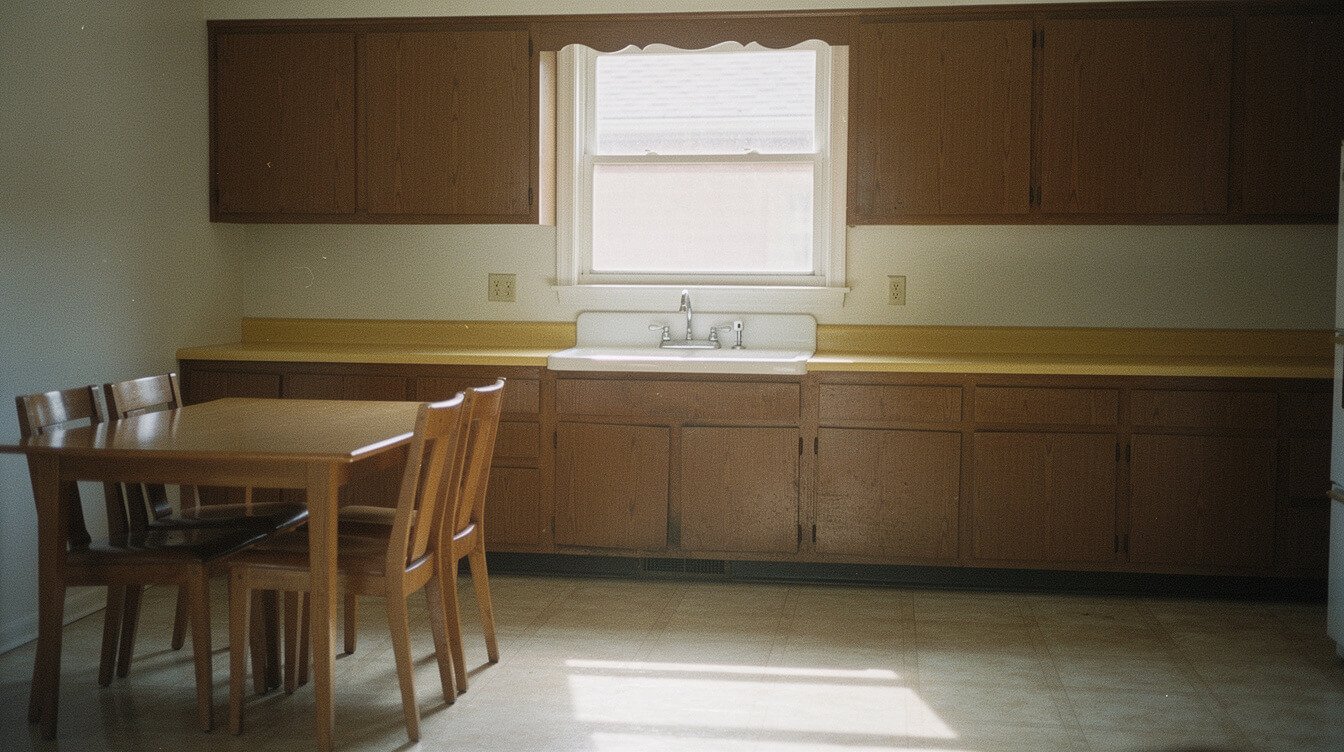
Here is a number. In March 1975, 47 percent of American mothers with kids under eighteen were in the labor force. By 2000 it was 73 percent. Gen X grew up in the middle of that climb, and mothers of school-age kids were the most likely to be at work. The word for us had been around for a while, but it became common in the 70s and 80s. A 1984 documentary called us “day orphans,” which is a lot to say about a kid who just wanted a sandwich.
Now picture the TV kitchen at 5:30. Two parents, both in it. One is stirring something. One is leaning on the counter, loosening a tie, asking how school was, and waiting for the answer. A teenager comes in through the back door and gets intercepted before the stairs. The lighting is warm. The phone rings, and someone answers it on the second ring.
Then picture your kitchen at 3:15. You know what it looked like. We covered the latchkey hours and what the nine-year-old cook made in them elsewhere, so this isn’t about the routine. It’s about the comparison.
The premise was the parent
Look at the setups a lot of 80s sitcoms chose and you’ll see the writers were wrestling with the same math our parents were. At least one big family hit worked it out by moving dad’s practice into the house so mom could go back to work, which meant there was always somebody in the den, between patients, ready to dispense wisdom. Other shows gave the job to a housekeeper, a nanny, a college kid, or a butler. The message underneath was consistent. Somebody has to be home. If it can’t be a parent, the show will hire someone.
Real life didn’t have a casting department. Real life had a neighbor two doors down “if anything happens,” a number on an index card, and an older sibling whose supervision consisted of yelling down the stairs.
That’s not a complaint. It’s the most Gen X thing about us, honestly. We watched a fantasy household every night, recognized it as a fantasy, and didn’t hold it against anybody. We just quietly noted that the TV family’s problems got solved in one episode, and ours got solved by waiting until everybody forgot about them.
A rich stranger takes you in

The 80s produced a whole genre that nobody really named at the time, so let’s name it. Call it the rich stranger. The premise: a kid, or a few kids, land in a house far above their station, and an adult who owes them nothing decides to raise them.
You remember the variations. The widowed millionaire with a penthouse who takes in two brothers. The former football player and his wife, who end up with a very small boy. The wealthy kid whose dad was basically another kid, with a train you could ride running through the house. The suburban family that hires a proper English butler, who turns out to be the only adult in the house with any sense. The retired ballplayer who becomes a single executive’s live-in housekeeper and does more parenting than anyone in the cast.
On paper, the fantasy is money. The house with the staircase. The fridge that was always full. A driver. But watch a few of them again as an adult and something else jumps out. The money is set dressing. The real fantasy is the stranger. An adult who is home. An adult who notices you came in. An adult whose whole job, the one they’re getting paid for, is to pay attention to you. The butler always knew where the kids were. That was the part we wanted.
The class-swap jokes landed, too, because we understood them. A kid from a regular block walks into a marble foyer and has no idea what the little fork is for. A lot of us were going to have that exact experience later, at a wedding or a job interview, and the sitcom had already done a rehearsal. You learn to watch what the others pick up first. No notes.
And it isn’t lost on anyone that the rich-stranger shows ran some of the decade’s heaviest very special episodes. Of course they did. The premise already said that the adults who were supposed to handle things weren’t around. The very special episode just spelled it out. If you ever need proof that you turned out fine-ish anyway, the GenerationX shop has a few things that don’t explain themselves either.
The newsletter
Like a mixtape, but it shows up on its own
One email a week. The good posts, new designs, zero exclamation points. Unsubscribe whenever. We won't take it personally.
Why 80s sitcoms look like that: taped before a live studio audience
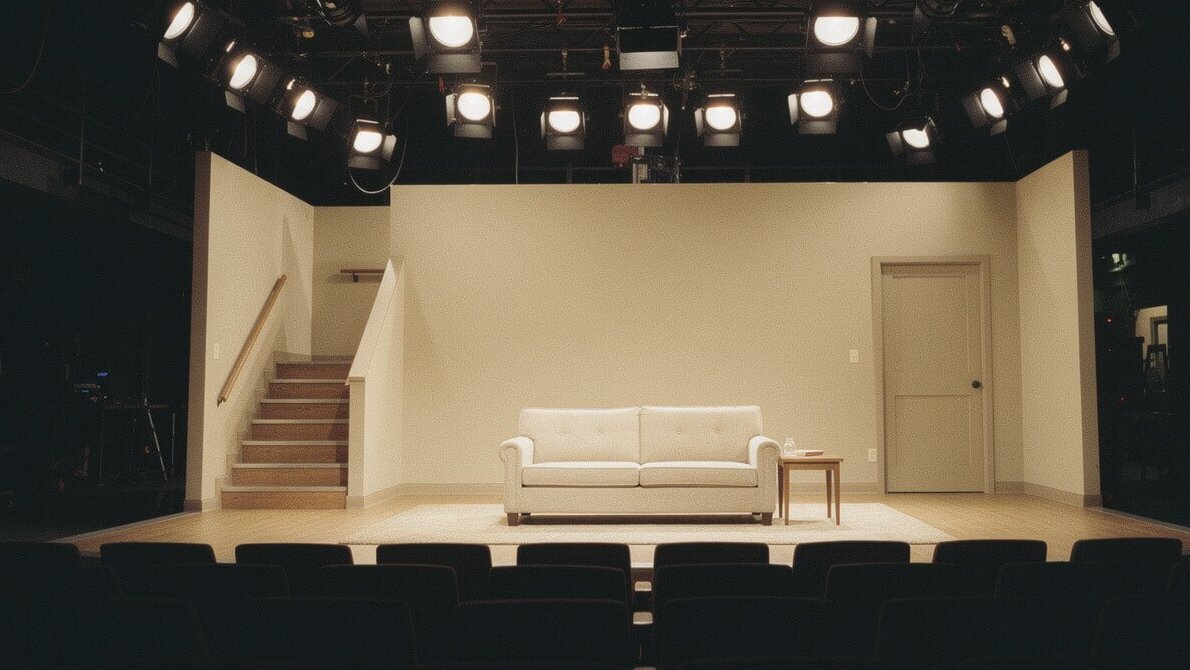
If you’ve ever rewatched 80s sitcoms and wondered why everyone sits on the same side of the couch, why the front door is ten feet from the kitchen, and why nobody ever turns their back to you, the answer is that you were in the room. Or someone was.
The bleachers, the warm-up comic, and the fourth camera
Most of these shows were multi-camera productions, staged like a play in front of a studio audience. The set had three walls. The fourth wall was a row of bleachers, which is why the furniture faces outward like everyone’s waiting for a bus. Cameras rolled at once from different angles. The outer ones grabbed close shots of whoever was talking, and the center one held the wide shot of the room. The audience usually watched the director’s live cut on studio monitors, so they could see the close-ups the bleachers couldn’t.
Before the taping and during the breaks, a warm-up comedian worked the crowd. That was a real job, and it involved making a few hundred tourists feel like part of the show so they’d laugh when it counted. Meanwhile, at the end of the 70s, the standard setup got a fourth camera. A producer added it just to keep up with a star from a hit alien sitcom who improvised and wouldn’t stay on his marks. After that, four cameras became the norm.
The live audience itself was something of a comeback. In the 60s, most sitcoms were shot like little movies, with no audience at all and laughter added afterward. The live-audience format came roaring back in the early 70s with a producer who wanted the actors and the crowd to feed off each other, and who ran a line over the closing credits saying the show had been recorded on tape before a live audience. By the 80s, that line was practically part of the theme song.
The box with the laughs in it
Here’s the part we half-suspected as kids. Even with a real audience in the bleachers, the laughs were often “sweetened” afterward. If a joke died, or an actor blew a line and the fourth take wasn’t funny anymore, an engineer filled the silence. The original tool for that was a padlocked machine the industry called the laff box. It held 320 laughs on 32 tape loops and was played with a keyboard like a typewriter and a foot pedal to set the length. The laughs were mixed to sound like specific people: the guy who gets the joke early, the one who doesn’t get it but laughs anyway. A quiet “titter” track ran underneath everything to smooth the seams.
The original box spent its last years in a storage locker. In 2010 it sold unseen at auction when the rent went unpaid, and a TV appraisal show later valued it at $10,000. Ten thousand dollars for a machine that spent forty years telling America when to laugh. We’d have guessed higher.
So yes, sometimes the laugh you heard came from a real person in the bleachers. Sometimes it came from a tape loop recorded before you were born. Which may be why the quiet stretch in a very special episode always felt so loud.
No laugh track included.
For whoever could hear the sweetening by age nine. It lands or it doesn’t, and nobody in a locker is going to help.
80s sitcoms: quick answers
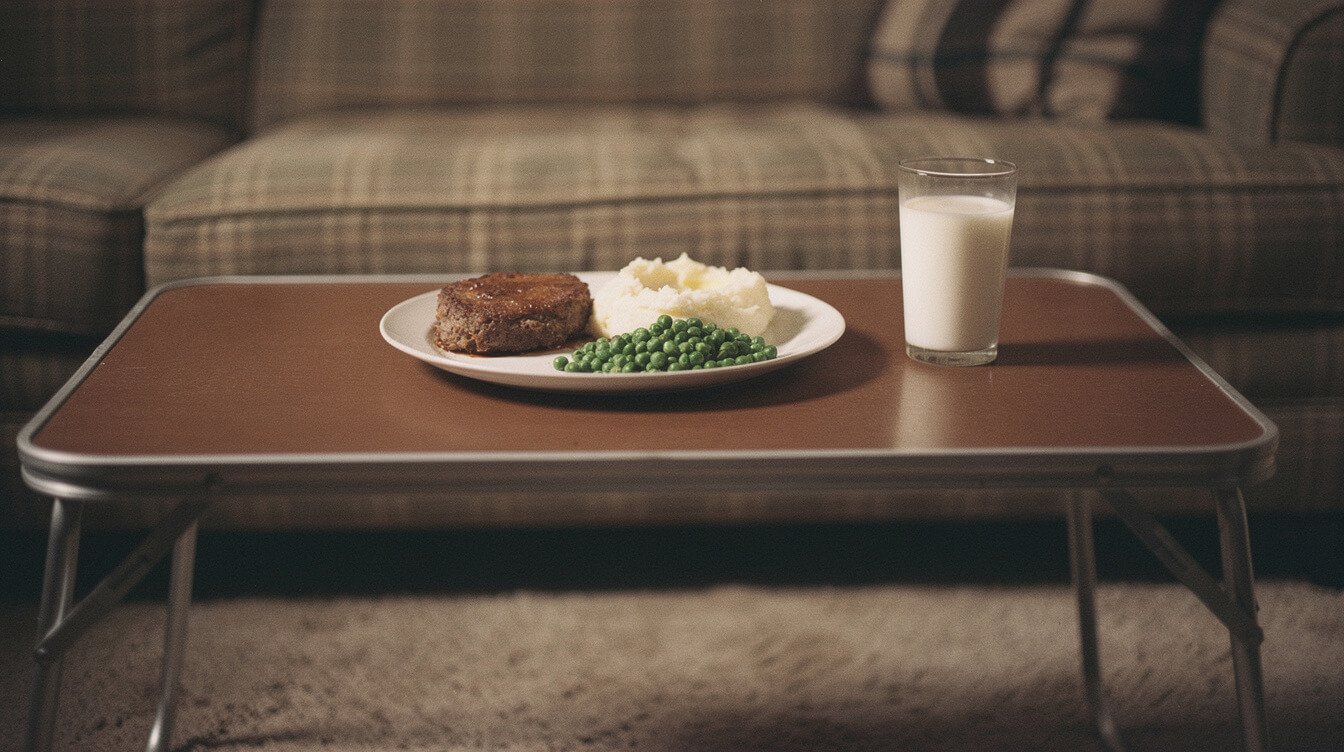
The search engines want short answers, so here are some. We’re answering by type rather than by title. If you were there, you’ll fill in the names faster than we could type them.
What were the top TV shows of the 80s?
The decade’s biggest 80s sitcoms fall into a handful of types. There’s the bar where everybody knows your name, metaphorically speaking. There’s the doctor-and-lawyer family in a brownstone that brought the family sitcom back from the dead in 1984. There’s the young conservative son with the hippie parents. There are the three retirees and one of their mothers sharing a house in Miami. And there’s the furry alien who crashed into a suburban garage and kept trying to eat the cat. Every ranking you’ll find is some reshuffle of those, plus whichever night-time soap had the cliffhanger that year.
What are some forgotten 80s sitcoms?
Mostly they’re the flops, and the flops followed a pattern. The talking-animal premise (one 1983 entry put an orangutan into politics). The celebrity vehicle built around someone who was famous for something other than acting. The spin-off nobody asked for, which takes a side character from a hit and gives them their own apartment, their own neighbors, and one season. If you remember one of those fondly, you might be the only one, and that is its own kind of club.
Were 80s sitcoms filmed in front of a live audience?
Most of the big ones were, on multi-camera stages with bleachers, a warm-up comic, and laughs that were often sweetened afterward. Single-camera comedy without an audience did exist, but it didn’t take over until much later.
What is a “very special episode”?
It’s the network promo term for the week a comedy tackled something serious, like drugs, abuse, drunk driving, illness, or a kid in danger. The use of the phrase peaked in the 80s. It usually came with a warning card or a word from the cast up front, and it was the one night your parents might sit down and watch with you.
Do 80s sitcoms hold up?
Some of the jokes don’t. A surprising number of the very special episodes do, at least as a record of what adults thought kids needed to hear. The bigger shock on a rewatch is the age math. The TV parents you thought of as old were often younger than you are now. Take a moment with that.

From the shop
Duran Duran Girls on Film Vintage Art T-Shirt
Price range: $24.99 through $26.99
Shop this designFinal thoughts
We turned out fine. Fine-ish. Let’s say functional, with a solid grasp of irony and a habit of handling things ourselves before anyone thinks to ask.
Part of that came from the way we were wired anyway. Part of it came from the other appointment we kept with the TV set, the one on Saturday mornings. Part of it came from movies where the grown-ups simply weren’t there, and part of it from a decade that has now been nostalgic about itself for longer than it lasted. And some of it, more than we’d admit at a dinner party, came from 80s sitcoms. They gave us a model of a household that almost nobody actually lived in, and we studied it anyway, because it was the only one that came with a script.
They taught us the talk before anyone gave it to us. They taught us that a stranger with a staircase could be family. They taught us that laughter could be manufactured, which turned out to be useful later, in meetings.
Mostly, they taught us that the problem gets solved by the end of the half hour. Life didn’t work that way, and we figured that out fast. But it was nice to watch something that did, three feet from the screen, with nobody home to tell us to back up.
Before you go
You made it to the end. Respect.
Get the best of these in one short weekly email, plus whatever we just printed. No spam. We were raised better than that. Mostly.