You knew the sound before you knew the word for it. A soft click, half a second of dead air, and suddenly the person you were talking to went quiet mid-sentence. Call waiting didn’t announce itself. It just interrupted, and you were expected to know exactly what to do about it.
Nobody explained the rules. There was no manual, no onboarding flow, no little tooltip. You learned call waiting the way you learned everything else that decade: by getting it wrong once, in front of someone whose opinion of you mattered, and never doing it again. There was no customer support line for “I accidentally hung up on my best friend and I don’t know how to fix it.” You just carried it into school the next day and hoped it blew over.
The click that stopped your heart
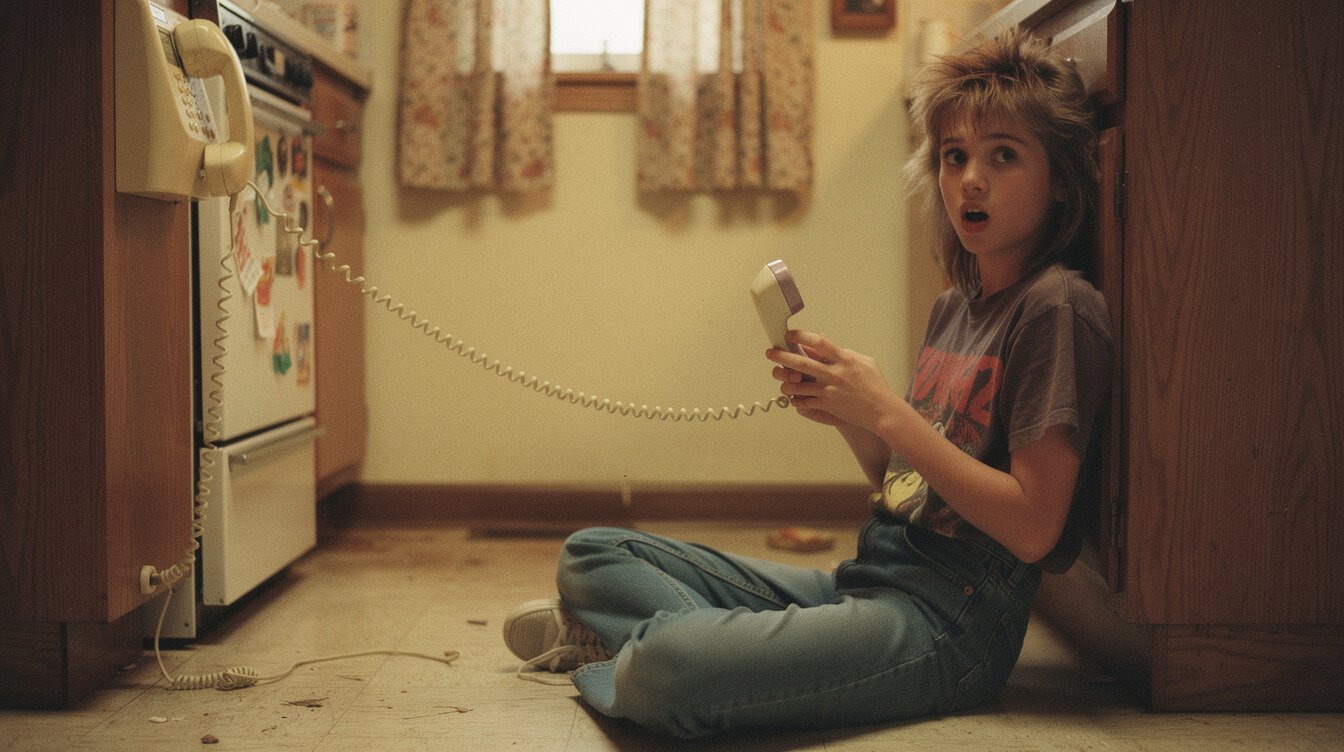
Here’s what nobody who didn’t live through it understands: the click wasn’t just a sound. It was a decision point, delivered with zero warning, in real time, while you were already mid-conversation and mid-thought. You’d be three sentences into explaining why you weren’t allowed to go to the thing on Friday, and — click — now there’s a second call sitting on the line, and you have exactly one flash-hook button and about a second and a half to figure out what you’re doing with your life.
Do you say “hold on” and switch over? Do you ignore it and hope whoever it is calls back? Do you panic-switch and lose track of which call you’re on, so you say something meant for caller B to caller A and have to spend the next four minutes doing damage control? All of the above happened to all of us, more than once, and there was no way to un-ring that bell. The call had already gone out. The click had already landed. You were already in it.
This is the part streaming-generation kids will never get: notifications now are soft. They wait for you. A text sits there patiently until you open it. Call waiting had none of that decency. It happened live, inside a conversation you couldn’t pause, and it made you choose — out loud, in real time — who mattered more in that exact second. That’s not a notification. That’s a pop quiz.
The math you did in half a second
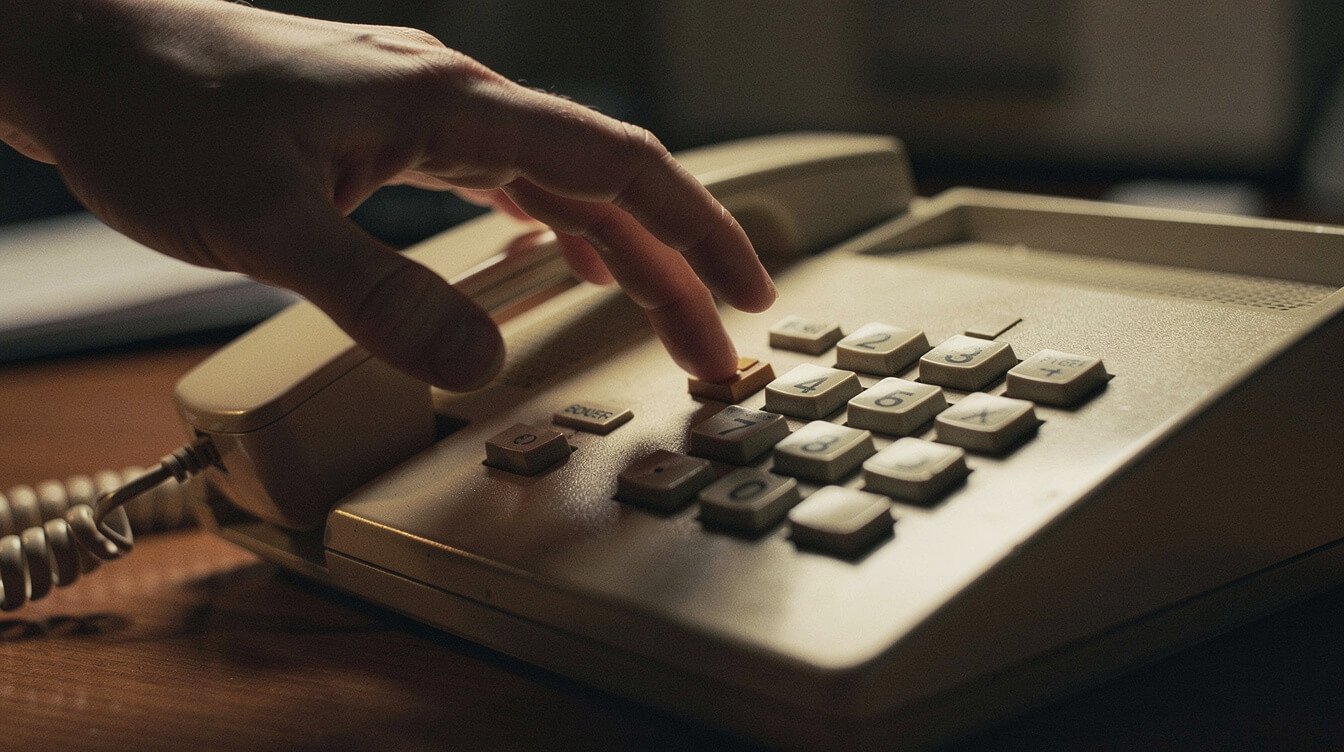
There was a whole invisible calculus running behind every click, and you did it instantly, without a calculator, under real social pressure. Who’s more likely to be calling right now? Is it the friend who always calls right when a show starts? Is it your mom, who will absolutely be annoyed if she gets a busy signal twice? Is it the person you’ve been hoping would call, who you would drop absolutely anyone for, no negotiation?
The truly elite move — and you knew someone who could pull this off, or you were that person — was flash-switching between two calls without either party knowing the other one existed. Holding two separate conversations, threading them so neither caller felt second place, remembering which lie you told which person about why you had to go. It was a skill. Nobody put it on a résumé, but it should have counted for something.
And then there was the failure mode, which happened to literally everyone at least once: you switched over to caller B, forgot you’d put caller A on hold, and finished your entire call with B — goodbyes and all — only to click back and hear caller A’s voice going “…hello? Are you — hello?” into dead air for four straight minutes. There was no apology that fully covered it. You just had to live with what you’d done.
You also learned to read the clock as a prediction tool, because context was the only intelligence you had. A click at 6:15 was almost certainly your dad calling to say he’d be late. A click right after your favorite show started meant it was the friend who never checked what time it was. A click after 9 p.m. carried its own specific weight — it was either an emergency, or it was the one person you’d been hoping would call all week finally working up the nerve, and you had roughly one second to guess which before you had to act on it. Nobody taught you to build this model. You just built it, call by call, the way you built every other piece of social intuition that decade, because the alternative was constant blind guessing.
Before the click, there was just the busy signal — and the busy signal was worse
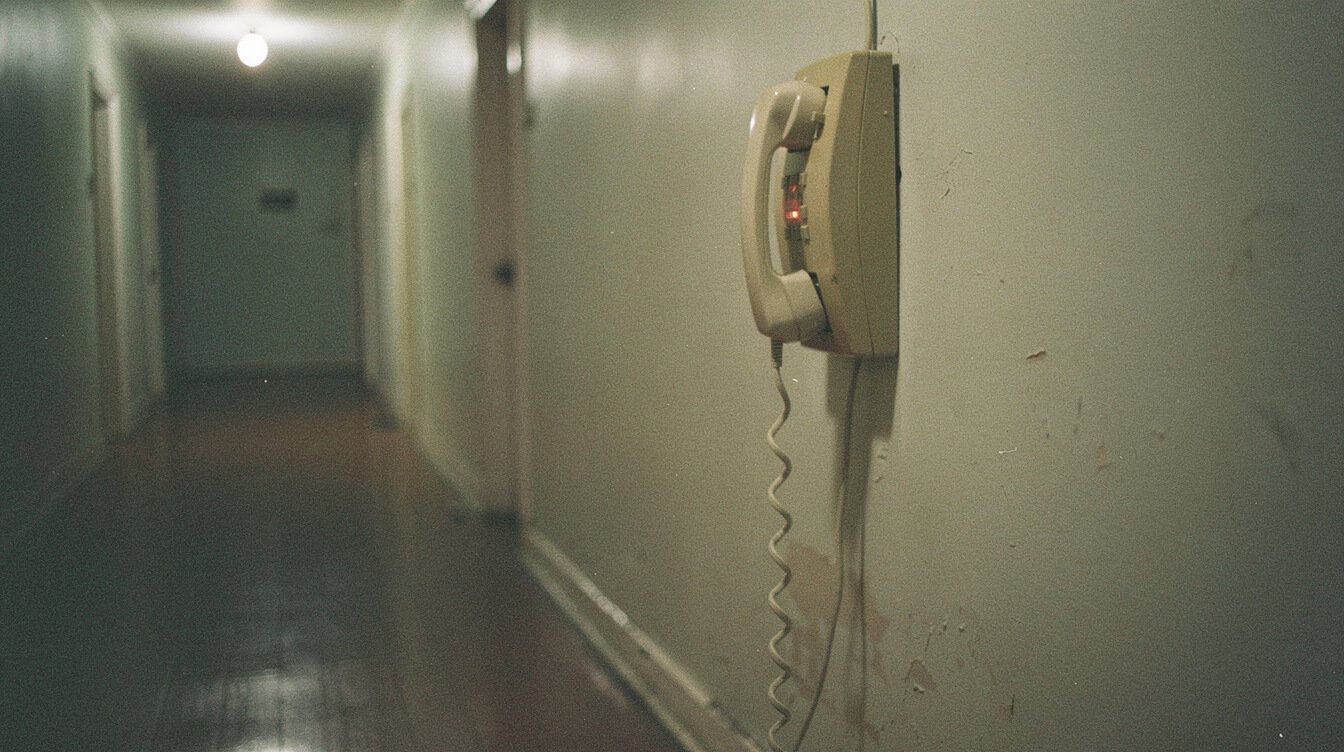
Call waiting looks almost humane once you remember what came before it: nothing. One line, one call, and if somebody else called while you were on the phone, they got a flat, mechanical busy signal and that was the entire interaction. No queue, no notification, no “your call is important to us.” Just a tone that meant try again later, or don’t, I genuinely cannot tell you which.
If you were waiting on a call — a callback about a job, a friend confirming plans, the person you liked finally calling you back — and someone else in the house picked up the phone even for a second, that was it. Opportunity gone, replaced by a busy signal on their end, and you’d never know it happened. There was no missed call log. There was no way to even know you’d missed something. You just sat there, eventually accepting that maybe they weren’t going to call, when in fact they’d tried at 6:47 and gotten a busy signal because your sister was on with her best friend for ninety consecutive minutes.
This is why call waiting felt like the future when it showed up. It wasn’t elegant. It was a blunt little interruption. But compared to a wall of silence and a guessing game, an actual signal that someone is trying to reach you right now was borderline miraculous. We didn’t get better manners. We got slightly better plumbing.
The house rules nobody wrote down
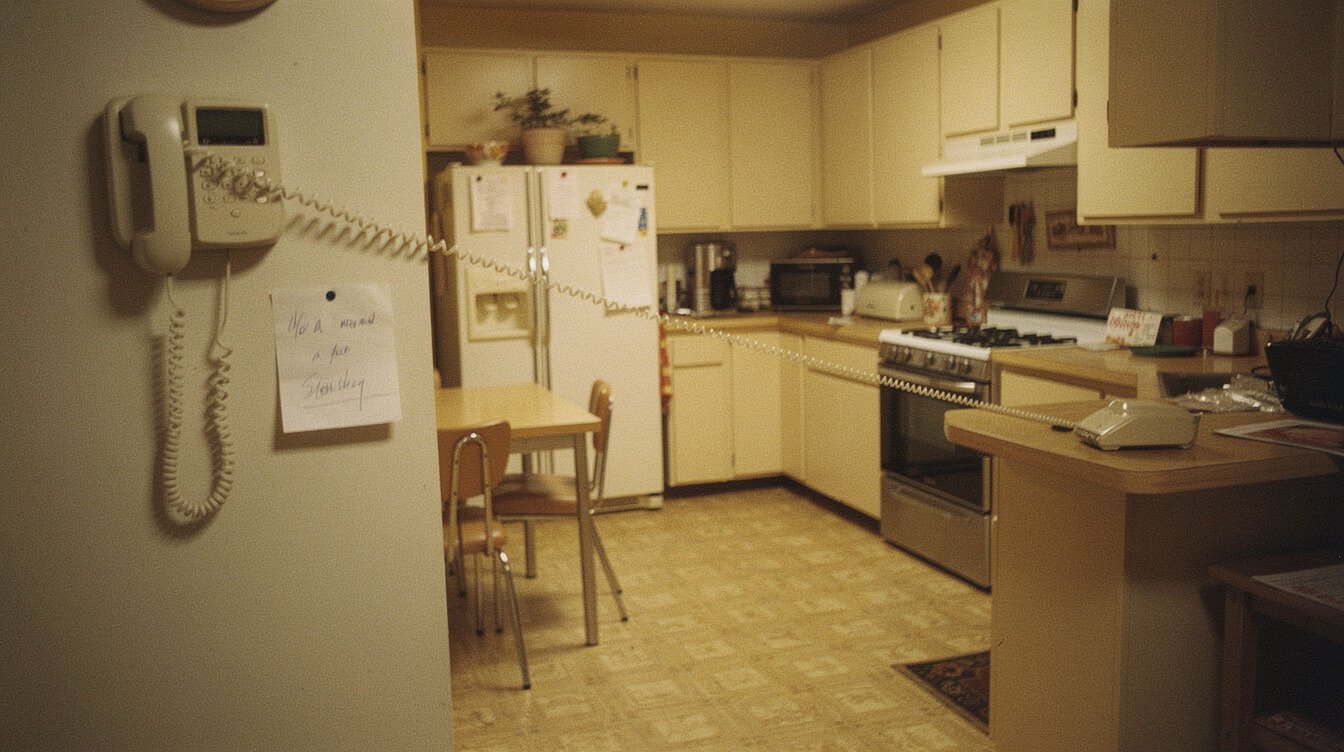
Every house had its own call waiting etiquette, and you learned it through consequences, not conversation. In some houses, if a parent’s call came in, you switched over immediately, no negotiation, full stop — you did not keep an adult waiting on hold while you finished telling your friend about the thing that happened at lunch. In other houses, whoever got there first got priority, sibling hierarchy be damned, and God help you if you tied up the single phone line during the one window your dad was expecting a call back from work.
Then there was the sibling-specific version of hell: you’re mid-call, you hear the click, you switch, and it’s your brother or sister on a different extension in the house, telling you to get off the phone because they’re expecting a call. Now you’ve got three people’s worth of social stakes tangled into one landline, and somebody’s going to end the night mad. This wasn’t a bug in the system. This was just what having one phone line and multiple humans in a house produced, and everyone figured out their own version of managing it because there was no other option.
If any of this sounds like it maps onto the answering machine’s blinking light running the whole house, that’s because it’s the same underlying situation: one line of communication, shared by everyone, and a set of unspoken household rules that governed who got to use it and when. We didn’t call it infrastructure. We just called it “get off the phone.”
If your house eventually got a cordless phone, the rules didn’t relax — they multiplied. Now the call could physically travel. You could take it into your room, into the hallway closet, out onto the back step, anywhere the antenna could still pull a signal, all in the name of privacy that a click could still interrupt at any second. The cordless phone didn’t fix the problem of call waiting. It just meant you could panic about it in more locations around the house.
The newsletter
Like a mixtape, but it shows up on its own
One email a week. The good posts, new designs, zero exclamation points. Unsubscribe whenever. We won't take it personally.
The specific dread of call waiting when you liked someone
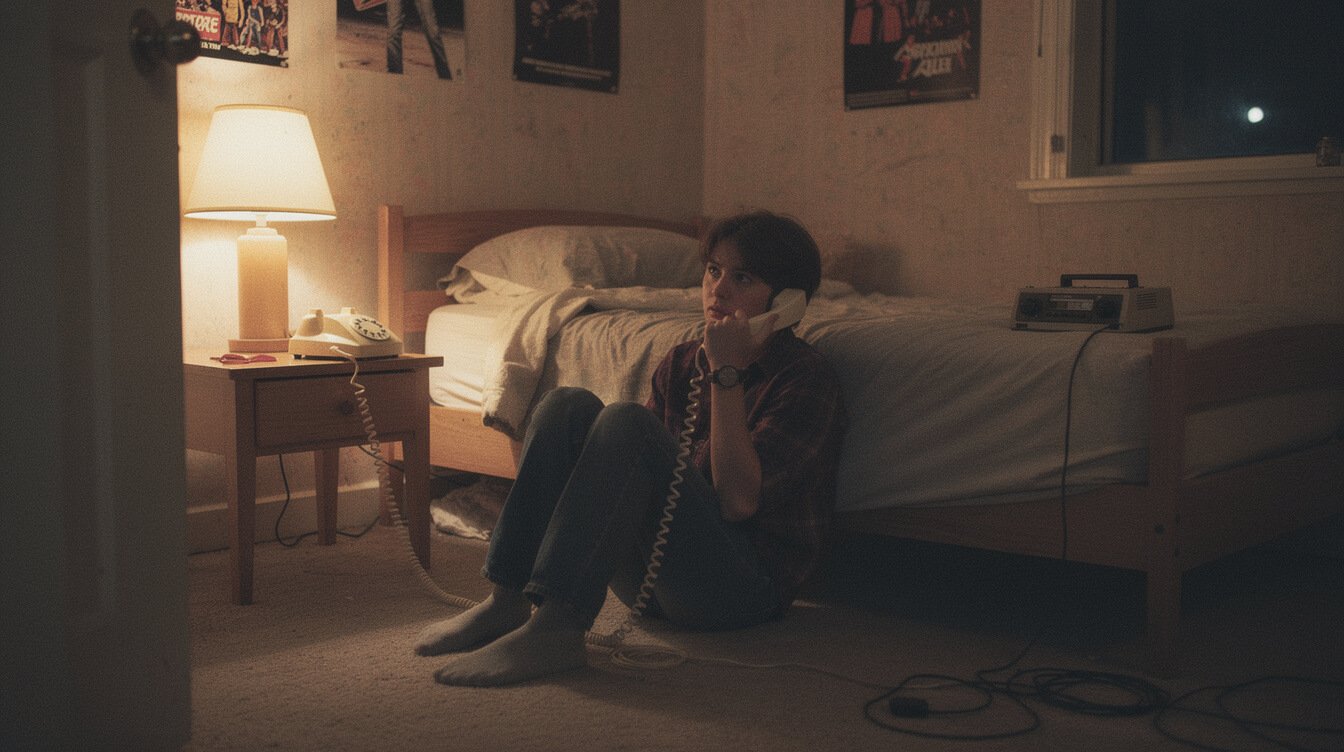
There is a category of call waiting panic that deserves its own paragraph, separate from siblings and parents and ordinary logistics, and that is: you are on the phone with your crush, finally, after working up the nerve to even dial the number off a piece of paper you’d been carrying folded in a pocket for two weeks, and — click. Now the entire universe has narrowed down to one flash-hook button and the absolute certainty that whoever this is will somehow ruin the best conversation of your life if you let it.
You didn’t switch over. Nobody switched over. You let it ring through to nothing, you ignored a second click, you would have ignored a house fire, because the person on the other end of this call had, for reasons no one could explain, agreed to keep talking to you, and you were not going to introduce a single variable that might end that. If the second call was your mom asking you to take out the trash, she could wait. She could wait forever. This was the one call in your entire adolescence where the stakes felt like they mattered more than anything an adult could possibly need from you.
And then, of course, the person you liked also got a click on their end, thirty seconds later, and you got to sit there — heart in your throat — waiting to find out if you were still on the line when they came back, or if you’d been quietly replaced by whoever they decided mattered more. That’s not a phone feature. That’s a referendum on your entire self-worth, delivered by AT&T, for $3.95 a month.
Caller ID showed up and ruined the entire game
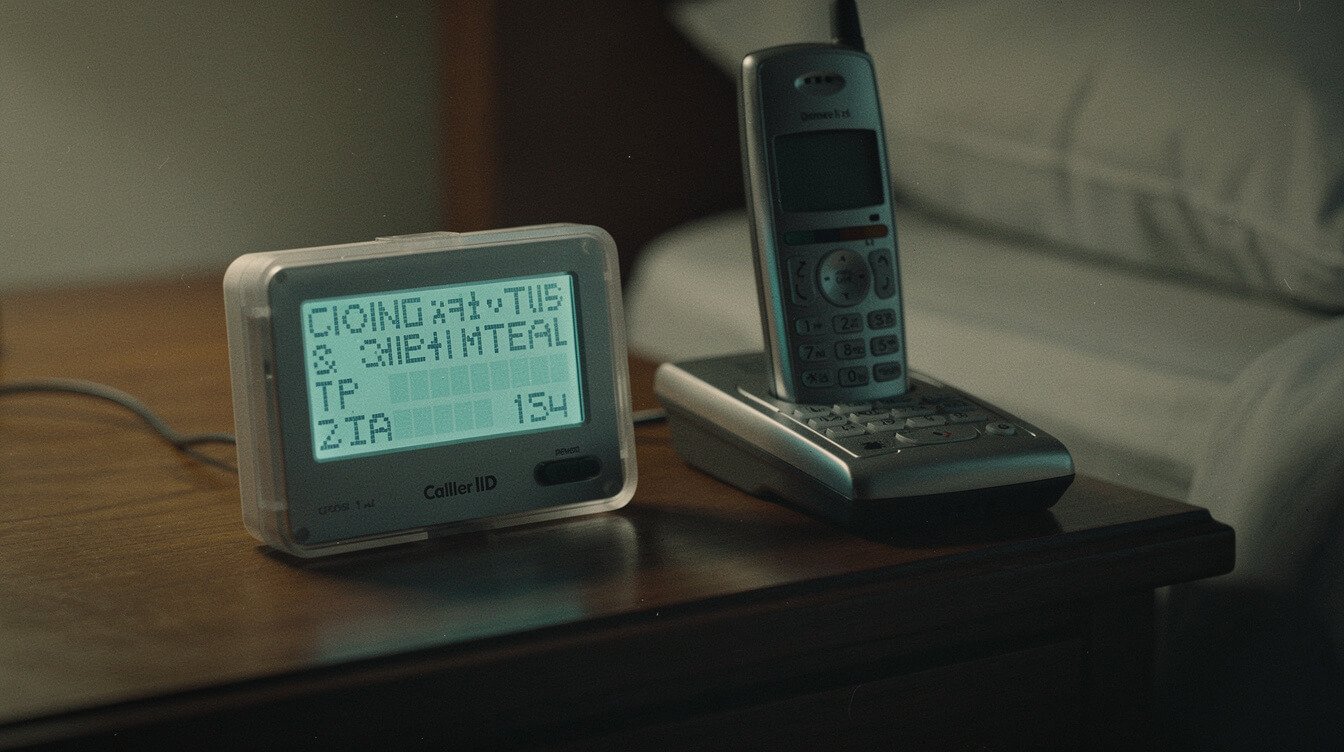
Caller ID ended call waiting’s golden era, and it did it quietly, without anyone announcing that an era was over. Suddenly you could see who was clicking in before you switched over, and the entire skill set — the guessing, the instinct, the “I have a feeling this is my cousin” gamble — evaporated overnight. You didn’t need the math anymore. You just looked at the little screen and knew.
The transition wasn’t even dramatic. Nobody in your house sat down and announced that call waiting’s reign was over. It happened the boring way real technology shifts happen: a box got installed, a little screen showed up on the phone, and within about two weeks nobody could remember how they’d ever managed without seeing the number first. That’s usually how you can tell something actually mattered — not by the goodbye party it gets, but by how fast everyone forgets to have one.
It was undeniably more convenient. It was also the first small proof that the phone was about to stop being a shared, semi-public household object and start becoming something personal — a preview of the world where everyone would eventually carry their own line in their pocket and none of this would apply to anyone ever again. Nobody was nostalgic about it at the time. You don’t miss a skill while you’re busy not needing it anymore. You only clock what it meant later, the same way you don’t think about carrying a boombox on your shoulder as a flex until you realize nobody under thirty would even know what to do with one.
By the time everyone had call waiting and caller ID and, eventually, their own separate phone entirely, the whole ecosystem that produced the flash-switch panic and the accidental hang-up and the household hierarchy of who gets priority just quietly stopped existing. Nobody mourned it. It just wasn’t a thing anymore, the same week it stopped being a thing for everybody else too.
Frequently asked questions about call waiting nostalgia
Did every household actually have call waiting?
No — it was a paid add-on from the phone company, not a default feature, which is exactly why having it (or not having it) said something about your household. Kids without it developed an entirely different skill: living with the busy signal and just accepting the silence.
Why did the flash-hook switch feel so high-stakes?
Because it was live and irreversible. There was no “are you sure” dialog. One click committed you, and you couldn’t take it back or quietly undo it if you picked wrong.
What replaced call waiting’s function, generationally speaking?
Caller ID first, then the personal cell phone made the entire concept obsolete — once everyone had their own line, there was no line left to share, and nothing left to wait for.
Is this the same nostalgia as the answering machine or the landline in general?
Related, not identical. The answering machine was about who called while you weren’t there. Call waiting was about who was calling while you very much were — and about you, personally, having to make a call (pun intended) in real time.
Was there a way to block a second call from coming through?
Eventually, yes — cancel call waiting codes existed so you could dial a prefix before an important call and disable the feature for that call only. Almost nobody remembered the code under pressure. You mostly just found out it existed from the one friend whose dad worked in telecom, and even then you forgot it the moment you needed it.
Did call waiting cost extra?
Yes, and that’s the detail that gets left out of the nostalgia. It was a line-item add-on from the phone company, often bundled with three-way calling and caller ID as a package, and whether your house paid for it was a genuine household decision — not a given.

From the shop
Duran Duran Girls on Film Vintage Art T-Shirt
Price range: $24.99 through $26.99
Shop this designFinal thoughts
Call waiting was never actually a good system. It was rude, abrupt, and it made you do social math with no warning and no way to opt out. But it was ours — a shared, slightly chaotic piece of household infrastructure that quietly taught an entire generation how to triage, how to lie diplomatically for four seconds, and how to live with the fact that sometimes you pick wrong and there’s no fixing it. Nobody under forty will ever understand why a soft click could make your stomach drop. That’s fine. It’s not supposed to be explained. If you were there, you already know.
It’s a small thing, in the end — a phone company add-on, a line item on a bill somebody’s parents paid without much thought. But it’s also a decent stand-in for the whole deal of growing up in that decade: nobody handed you a system that made sense, nobody was coming to explain the rules, and you figured it out anyway, in real time, with actual consequences if you got it wrong. That’s the muscle. That’s the one this generation built without anyone noticing, and it’s still there.
If this is the kind of detail you want on a shirt instead of a plaque, go see what’s in the shop — we don’t do the version that spells the joke out for you.

Reply and tell me your era
One email, no throwback vibes, no fake urgency — just the next thing worth reading.