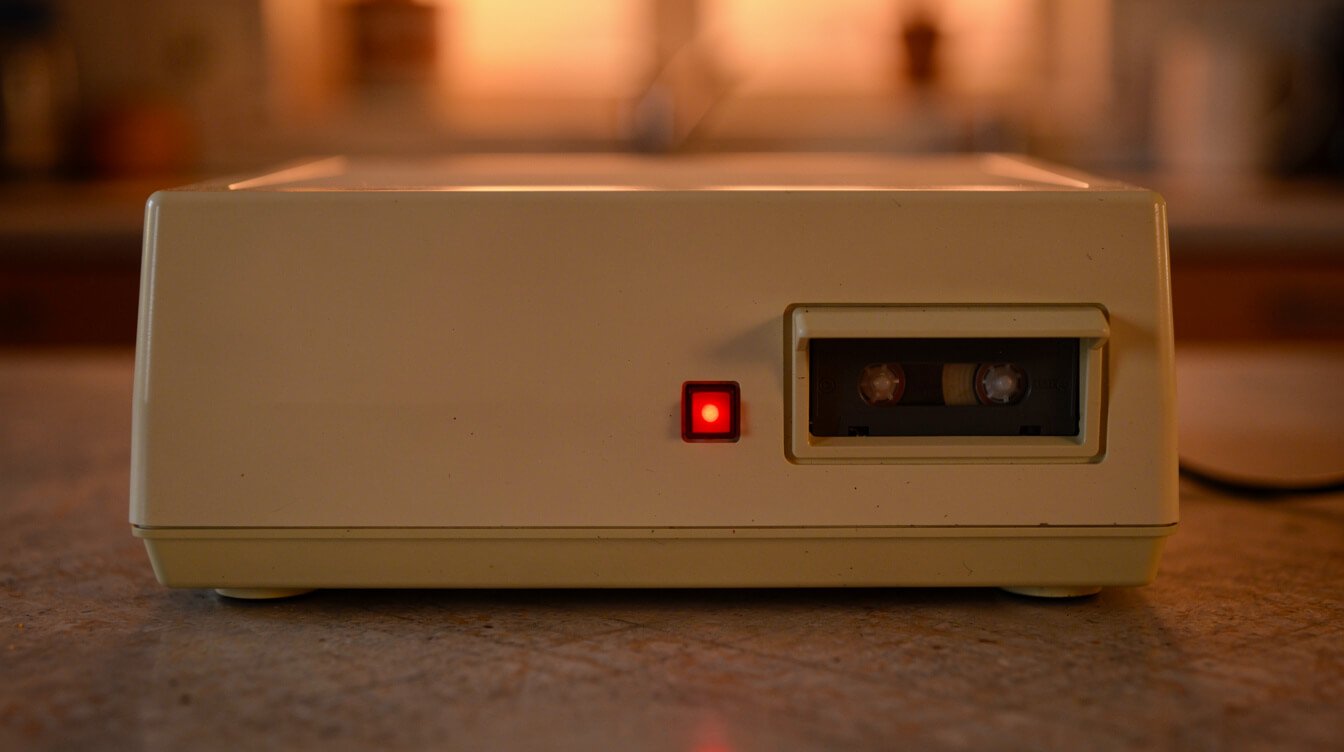
For about fifteen years, one blinking red light decided how the rest of your evening was going to go, and it did this from a beige plastic box sitting on a kitchen counter or a hallway table, doing a job nobody had officially assigned it: deciding who got to talk to you, and when. That’s the whole story of gen x answering machine nostalgia in one sentence — the machine ran interference for an entire household, and everyone under that roof understood the rules without a single one of them ever being written down.
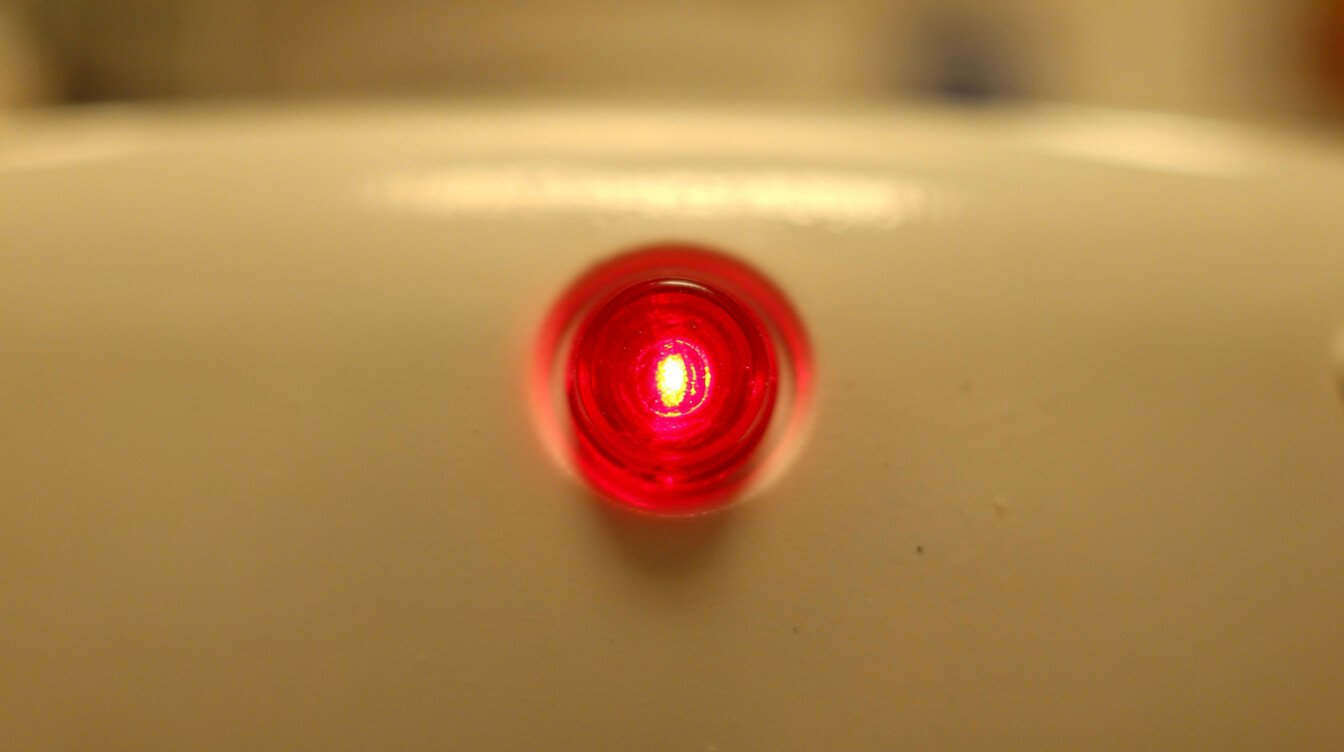
You walked in the door and checked the light before you checked anything else, including whoever was standing in the kitchen. A steady light meant nothing had happened while you were out. A blinking light meant something had, and the number of blinks told you exactly how much of your evening you were about to lose to finding out what.
The blinking light ran the actual chain of command
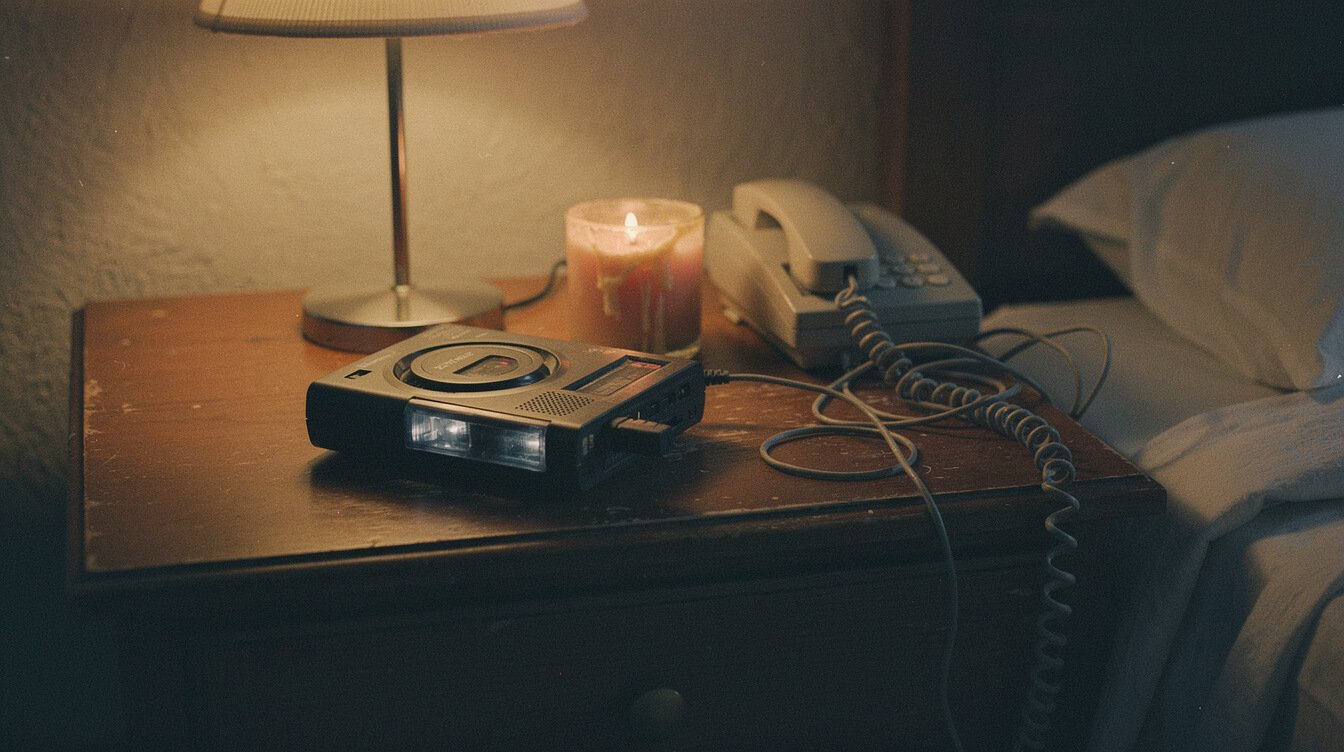
The machine itself never sat somewhere neutral. It lived on the kitchen counter next to the fruit bowl, or on a little table in the hallway everyone had to pass on the way to literally anywhere else in the house — prime real estate, chosen specifically so nobody could claim later they hadn’t seen the light. That placement wasn’t an accident. It was the household’s actual command center, more load-bearing than the refrigerator, and it reported to no one.
Whoever got home first got there first, which was its own quiet daily competition. Older siblings developed an instinct for the sound of the garage door that would put a bomb-disposal unit to shame, purely so they could beat you to the machine and control the narrative on anything embarrassing that had come in. Parents, for their part, had one rule that was never negotiable and never explained: nobody erases anything until the person it’s for has heard it. You could bend a lot of rules in that house. You did not bend that one, because the one time someone did, the fallout lasted a week.
The number of blinks was information you processed before you’d even taken your shoes off. One blink was manageable — probably a friend, probably fine. Three or four blinks meant something was happening, and you ran the possibilities the entire walk from the door to the counter: good news, bad news, a wrong number that had somehow called back twice, or the specific dread of a teacher’s voice mid-message before you’d even hit play.
If you were the kind of kid who came home to an empty house most afternoons, that blinking light did double duty as the only proof anyone had thought about you all day — a small, silent check-in system nobody called by that name. Reading a room for stakes you couldn’t see was already part of the job description if you were the kid who let yourself in most days; the machine just gave that instinct a light to stare at instead of an empty kitchen.
The outgoing message was a performance review you wrote for yourself
Recording the outgoing greeting was a household summit that could take an entire evening, because everyone had an opinion and only one voice was going to make the final cut. Whoever spoke had to sound casual on the first try, which is a genuinely hard thing to do when you know a machine is capturing it forever and your sibling is standing four feet away making faces specifically designed to ruin your composure.
There were factions. The straightforward faction wanted “You’ve reached the [Last Name] residence, please leave a message after the tone” and considered anything more to be showing off. The creative faction wanted a bit — a fake radio-DJ voice, a line from a song hummed a cappella and badly, a joke that seemed hilarious to a twelve-year-old and mortifying to that same person roughly four days later. Somewhere in the middle was the sibling who’d sneak in and re-record the whole thing the second everyone left the room, replacing the family’s carefully negotiated greeting with something that guaranteed a specific kind of phone call the next time your crush dialed the number.
Whoever won that argument owned the household’s public voice until the next re-recording session, and that was treated as actual leverage. You did not casually hand over control of the outgoing message. You defended it.
Some households leaned musical about it — thirty seconds of a favorite song playing through a speaker held up to the receiver, badly, with the volume swinging every time whoever was holding the boombox adjusted their grip. It never sounded good. Everyone did it anyway, the same way the boombox ended up soundtracking half of adolescence whether or not the equipment was actually up to the job. The outgoing message was just one more surface that music got smuggled onto, four seconds at a time, tape hiss included for free.
The stretched cord bought you the only privacy in the house
The machine sat in a shared space by design, but the phone itself — the actual handset, on the actual cord — was capable of a small miracle if you were patient about it: you could stretch that coil far enough to drag the whole conversation around a corner, into a closet, behind a closed door, anywhere the cord would physically reach and not one inch further. Entire households had a documented maximum radius, and every kid in the family had it memorized to the foot, because privacy in a one-phone house wasn’t a right, it was a length of coiled plastic and whatever room happened to be within its reach.
The cord itself told on you constantly. It kinked, it tangled into a knot that took ten minutes to work out with a finger, and it stretched a little more permanently every year until it hung slack and sad, no longer capable of the tension that used to snap it back into shape. A parent walking past and silently tugging the cord straight — not saying a word, just resetting the boundary — was its own entire genre of household communication, understood instantly by everyone who’d ever been on the other end of it.
The beep bought you four seconds of stage fright, every single time
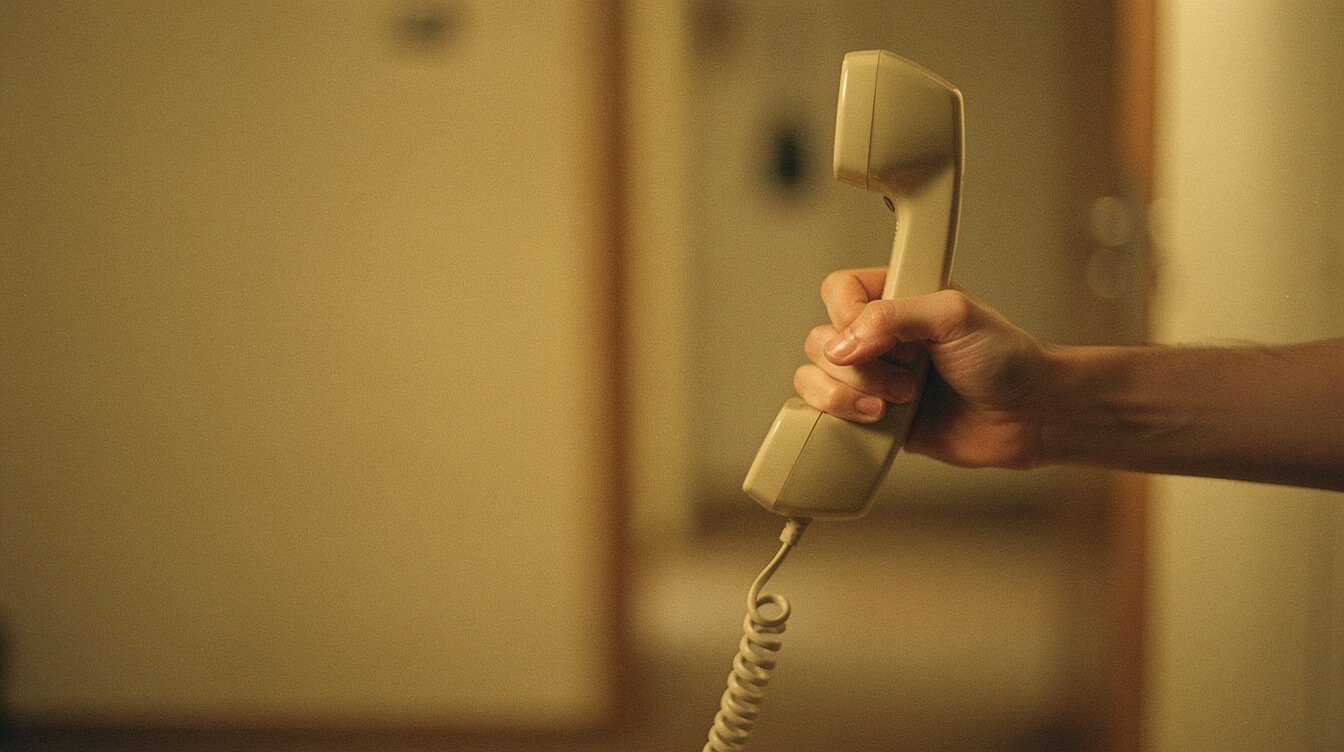
Leaving a message was its own event, and it did not matter how many times you’d done it before — the beep still found a way to erase your entire prepared script. You’d rehearse the whole thing walking to the phone: name, reason for calling, callback number, done, clean, professional. Then the beep would go off half a second earlier than you expected, and what actually came out was some variation of “uh, hey, it’s — yeah, call me back,” followed by the humiliating scramble to recite your own phone number to a machine, out loud, as if it might not already know it.
Some people hung up before the beep entirely, rather than commit a version of themselves to permanent record. Everyone in your house knew exactly who that person was, because the machine would occasionally catch the click of a dial tone with nothing after it, and you’d all sit there speculating about who’d chickened out and why. There was no worse feeling than getting home and discovering your own recorded voice sounded nothing like you thought it did — thinner, weirder, somehow from a stranger who happened to know your name.
And if you called back and got your own outgoing message instead of a person, you had to sit through the whole thing you and your family had already heard four hundred times, waiting for a beep that felt, every single time, like it was going to catch you off guard again. It always did.
The newsletter
Like a mixtape, but it shows up on its own
One email a week. The good posts, new designs, zero exclamation points. Unsubscribe whenever. We won't take it personally.
Screening was invented before caller ID existed
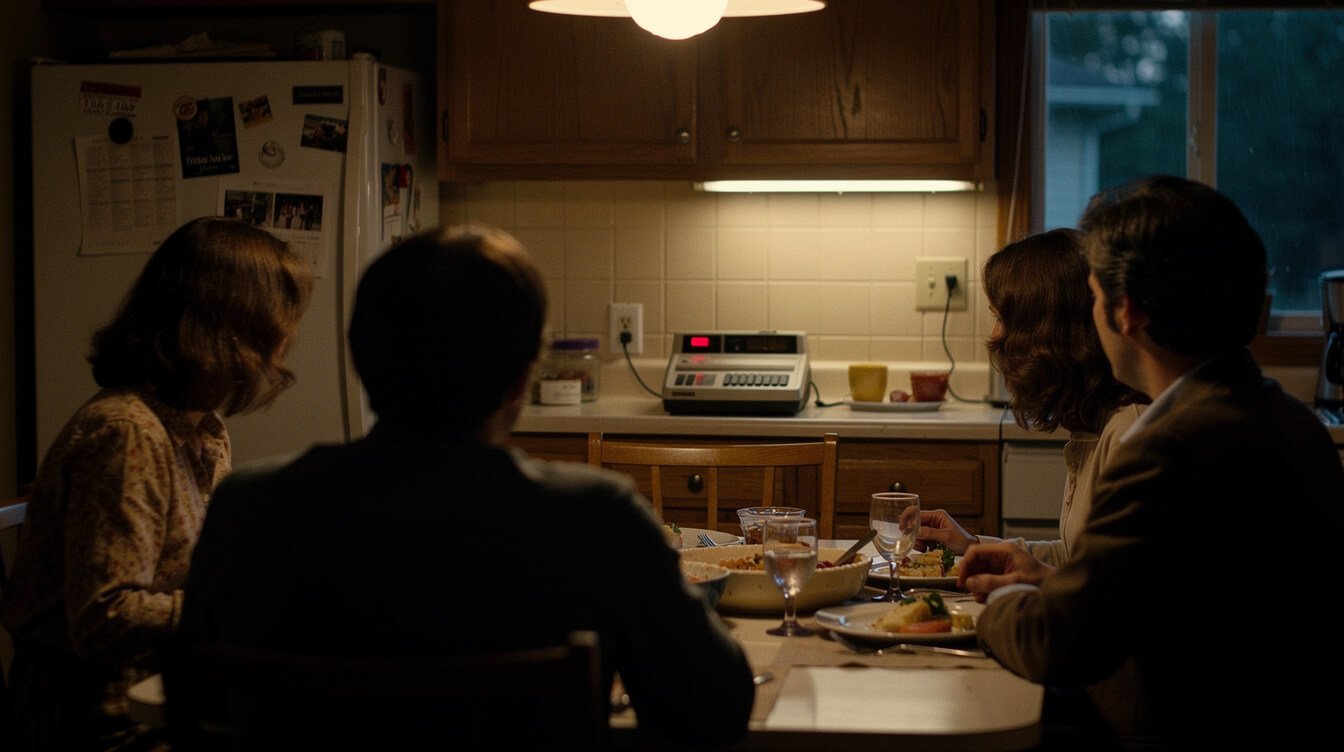
Long before a name and number popped up on a screen, the machine had already solved the same problem, just with more theater involved. The phone would ring, the machine would pick up on its own schedule, and the entire family would freeze mid-conversation to listen to who was leaving a message — a full household going silent, straining to identify a voice through a tinny little speaker, before anyone decided whether this call was worth interrupting dinner for.
This is how an entire generation learned to screen calls without a single piece of caller-identifying technology: you listened to the greeting start, you heard the first few words of the message, and you made a split-second executive decision to either lunge for the receiver mid-sentence — “wait, I’m here, hang on” — or let it ride and call back later on your own schedule. Parents used this exact method to dodge bill collectors and telemarketers with a straight face, sometimes enlisting a kid to answer specifically because a kid’s voice bought more plausible deniability. Nobody called it screening. It didn’t have a name yet. It was just what you did.
The tape itself told its own quiet story over time — the outgoing message loop wore thin and warbly after a few thousand plays, and the incoming-message tape hissed audibly under every voice by the second year, a little layer of static that somehow made every message, good or bad, sound like it was arriving from slightly further away than it actually was.
There was a second, quieter version of screening too, reserved for kids specifically: being handed the job of answering during dinner and reporting back only if it actually mattered. You became a functional receptionist for your own family around age nine, with zero training and full authority to decide whether Mom was “available” — a job you took extremely seriously, right up until you didn’t, and hung up on someone’s boss by accident.
The invention that got hidden from your grandparents for fifty years
Here’s the part that never comes up at reunions: the technology inside that beige box on your counter had existed since 1934, when an engineer at Bell Labs built a working tape-based answering device — and the phone company that owned Bell Labs kept it locked away for decades, worried that a machine which caught every call would mean people simply made fewer of them. The device that would eventually run the social protocol of an entire generation’s household sat on a shelf for most of two generations before anyone was allowed to buy one.
It wasn’t until the mid-1980s, after the old telephone monopoly was broken up and the market actually opened, that answering machines became affordable enough to show up in ordinary kitchens by the millions in a single year. Which means the machine that decided your evening, screened your parents’ calls, and held your entire family’s outgoing-message drama for the better part of a decade had been sitting fully invented, on a shelf, since before your grandparents were teenagers. Gen X didn’t get the answering machine because someone finally figured out how to build it. Gen X got it because a company finally ran out of reasons to keep it in a drawer.
There had been earlier attempts to sell the public on the idea in the decades between — one clunky combination of a record player and a wire spool in the late 1940s, another running on cassette by the mid-1960s — and none of them caught on the way the machine in your kitchen eventually did. It took the better part of fifty years, two commercial flops, and one government-forced breakup of a phone monopoly before the technology finally landed in a form cheap enough and simple enough for an ordinary household to argue over the outgoing message. By the time it got to your counter, it had already failed twice under different names.
Frequently asked, mostly by people who weren’t there
Why did everyone in the house freeze when the machine picked up?
Because you had about four seconds to identify the caller by voice alone and decide whether this was a lunge-for-the-phone situation or a let-it-ride situation. That’s not a small skill. Nobody taught it. Everyone had it.
Was re-recording someone else’s outgoing message actually a betrayal?
Yes, and everyone involved understood the stakes perfectly, which is why it kept happening anyway.
Why did people hang up before the beep?
Because leaving a message meant committing your actual voice to a device that would play it back later, possibly in front of other people, and some percentage of the population would rather live with the mystery than risk that.
Did the tape hiss get worse over time, or did it just feel that way?
It genuinely got worse — magnetic tape degrades with every play, and an outgoing message got played every single time the phone rang, which on a busy week was a lot of wear for one thin loop of tape.
Do people miss it, or is this just nostalgia doing its usual thing?
Some of it’s just nostalgia. But the part about a whole household going quiet together to listen for a voice — that part was real, and voicemail alone in your pocket never replicated it.

From the shop
Duran Duran Girls on Film Vintage Art T-Shirt
Price range: $24.99 through $26.99
Shop this designFinal thoughts
The answering machine wasn’t trying to teach anyone anything. It was a beige box that recorded sound onto tape and played it back on command, and that was the entire design brief. But it ended up running the social contract of an entire household anyway — who got heard first, who controlled the family’s public voice, who got screened and who got answered, all of it negotiated in real time around one blinking light that owed no one an explanation.
You don’t need the machine itself still plugged in somewhere to remember exactly what four blinks felt like walking through the door, or the specific dread of your own voice replaying a message you’d already forgotten leaving. That’s not nostalgia as a highlight reel — that’s just what actually ran your house for a decade, on a cassette loop, for less than fifty dollars, with a cord stretched around the corner and a sibling standing guard over the outgoing message like it was the nuclear codes.
Nobody’s asking you to reinstall a landline for this. But if the blinking light still means something to you, the shop has a few designs that’ll know exactly why, no footnote required.
One good email a week
No hype, no confetti emoji. Just the new stuff and the occasional “remember when.”